America’s national parks are celebrated for their breathtaking landscapes, but behind the beauty lies danger. From steep cliffs to unpredictable wildlife, these parks have recorded some of the highest fatality rates among visitors.
Here’s a closer look at the top 10 deadliest national parks in the United States:
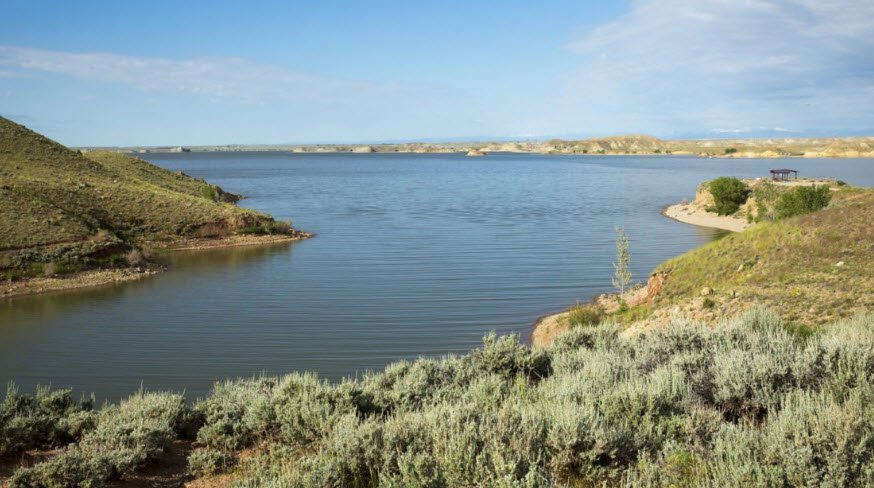
Lake Mead tops the list due to its high number of drownings and boating accidents. The vast reservoir attracts swimmers, boaters, and hikers, but extreme heat, alcohol use, and lack of life jackets often contribute to tragedies.
.jpg)
The Grand Canyon’s sheer cliffs and dizzying heights make it one of the most dangerous destinations. Falls from the rim, dehydration, and heatstroke during hikes into the canyon are common causes of fatalities.
.jpg)
Yosemite’s granite cliffs and waterfalls are iconic, but they’re also deadly. Visitors often underestimate the power of rushing water, leading to drownings. Rock climbing accidents and falls from Half Dome and El Capitan add to the risks.
.jpg)
This scenic drive is notorious for fatal car accidents. With winding roads, sharp curves, and foggy conditions, the Parkway has seen numerous crashes, making it one of the deadliest parkways in the system.
.jpg)
Another roadway under the National Park Service, Natchez Trace sees frequent vehicle collisions. Wildlife crossings, speeding, and distracted driving contribute to its high fatality rate.
.jpg)
Located near San Francisco, this park is tragically known for suicides at the Golden Gate Bridge. Despite safety measures, it remains one of the most fatal sites in the national park system.
.jpg)
America’s most visited national park also sees a high number of accidents. Car crashes on winding mountain roads, falls, and encounters with black bears are among the leading dangers.
.jpg)
These parks are home to towering giant sequoias and rugged wilderness. Fatalities often occur from falls, drowning in rivers, and accidents during backcountry hikes where rescue is difficult.
.jpg)
Yellowstone’s geothermal features are stunning but hazardous. Visitors have died after falling into boiling hot springs. Wildlife encounters with bison and bears, along with backcountry accidents, also contribute to its deadly reputation.
.jpg)
Denali’s extreme conditions make it one of the most dangerous parks. Climbers attempting to summit North America’s tallest peak face avalanches, falls, and severe weather. Even hikers and campers must contend with isolation and wildlife threats.
.jpg)
Final Thoughts
These parks remind us that nature, while beautiful, is unpredictable and unforgiving. Visitors should always prepare carefully - carry water, respect wildlife, follow safety guidelines, and never underestimate the environment.





Explore the USA's most iconic attractions, from historic landmarks to breathtaking natural wonders.