

Locality
Phoenix, Arizona, was settled in 1867 by John W. Swilling, who recognized the agricultural potential of the Salt River Valley thanks to the irrigation canals initially created by the ancient Hohokam people.
Named by settler Darrell Duppa for the mythical phoenix bird symbolizing rebirth, the city was officially incorporated in 1881. It grew rapidly with the arrival of the Southern Pacific Railroad in 1887, shifting from a farming community into a regional trade center. Phoenix became the capital of the Arizona Territory in 1889 and later the state capital when Arizona achieved statehood in 1912.
The city’s economy evolved from agriculture based on “Five C’s” (cotton, citrus, cattle, climate, and copper) to include aerospace, manufacturing, education, and tourism. Population growth surged especially after World War II, helped by military installations and the adoption of air conditioning, transforming Phoenix into the fifth-largest city in the United States.
It features numerous historic districts, cultural sites, and modern urban development, making it a vibrant and diverse metropolitan area in the Southwest.


| Elevation | 331 m |
| Area Codes | East: 480; Central: 602; West: 623 |
| Demonym | Phoenician |
| Founded By | Jack Swilling |
| Incorporated | February 25, 1881 |
| Address | Arizona, United States |
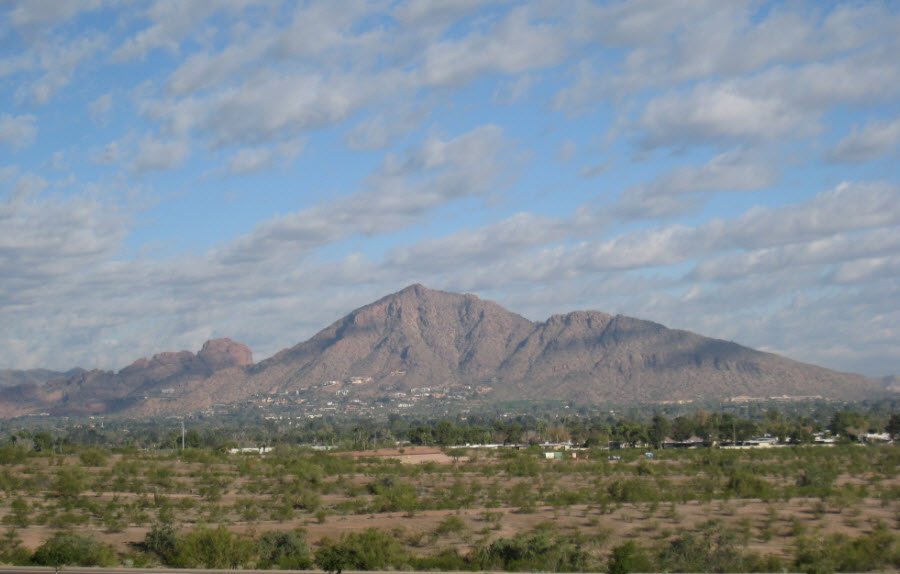
Phoenix is located in Arizona, United States.
Phoenix is situated in the state of Arizona.
The address of Phoenix is Arizona, United States.
Yes, Phoenix is family-friendly and attracts visitors of all age groups.
Visitors usually spend a few hours to a full day exploring Phoenix.
Yes, there are several hotels and accommodations near Phoenix in Arizona.
No, USAvora.com is an informational travel website designed to help users explore famous places and destinations across the United States. We do not offer hotel, flight, or tour bookings, but our content helps travelers plan their trips more effectively.
USAvora.com offers detailed information about popular places in the USA, including landmarks, attractions, parks, cities, and tourist destinations. Our content covers location details, significance, travel tips, and things to explore nearby.
Yes. We provide destination guides and place-based insights such as must-visit attractions, best times to visit, and nearby points of interest to help travelers build their own itineraries.
We regularly update our content to keep it accurate and relevant. However, for official timings, entry fees, or local regulations, we recommend checking government or official destination websites.
Yes, USAvora.com features places from all states in the United States, including major tourist attractions as well as lesser-known destinations worth exploring.
Currently, our content is curated by our in-house research team. However, if you notice any inaccuracies or have valuable suggestions, you’re welcome to contact us through our website.
You can reach us through the Contact Us page on USAvora.com. For general inquiries or feedback, you can also email us at contact@usavora.com
Absolutely! We encourage users to share our content on social media platforms. You can use the built-in sharing options or link directly to our pages.
Yes, USAvora.com is completely free to access. Users can browse destinations, explore places, and read travel-related content without any subscription.
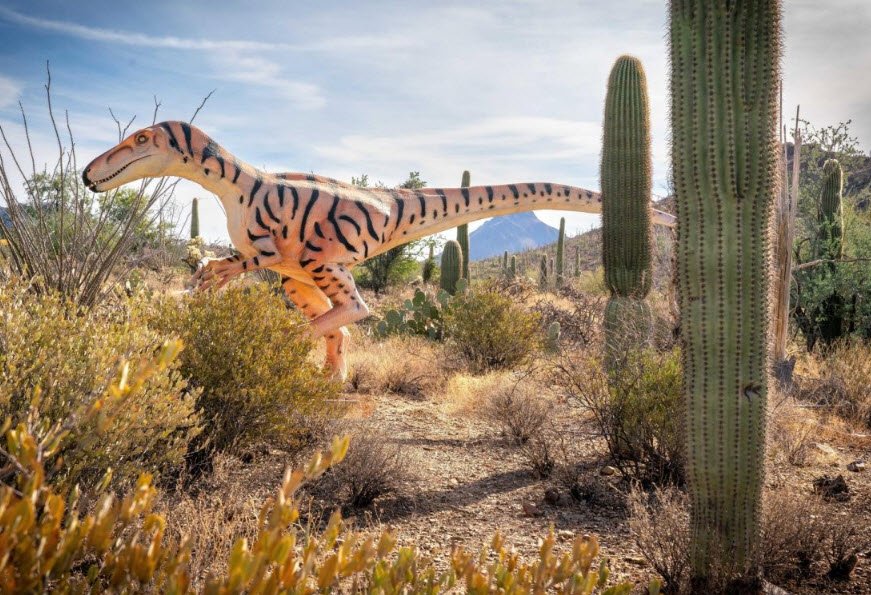
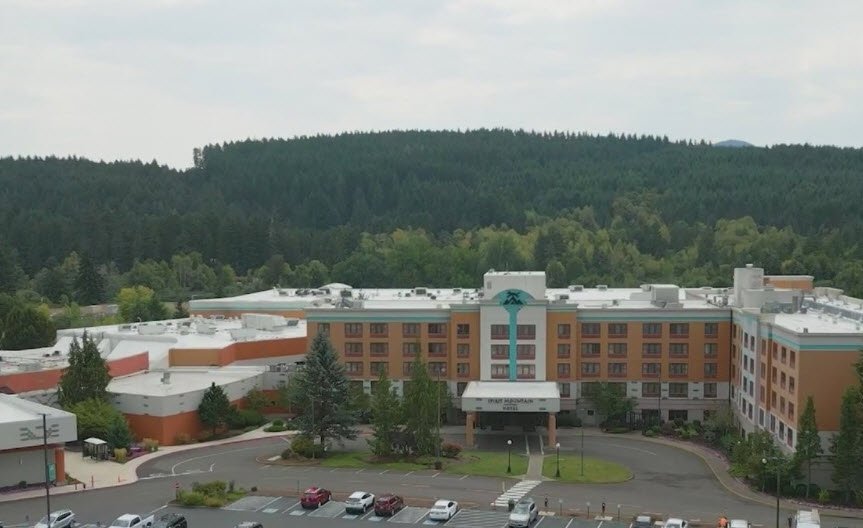


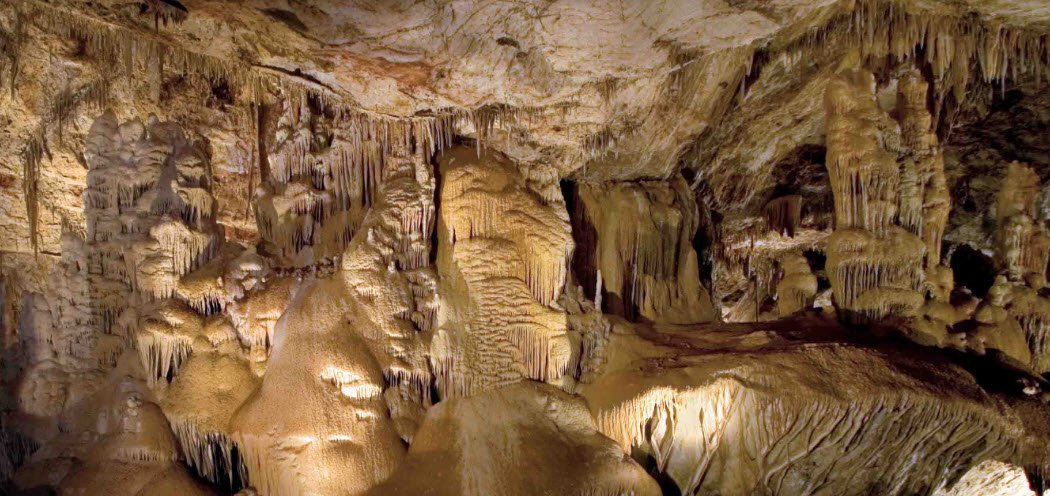

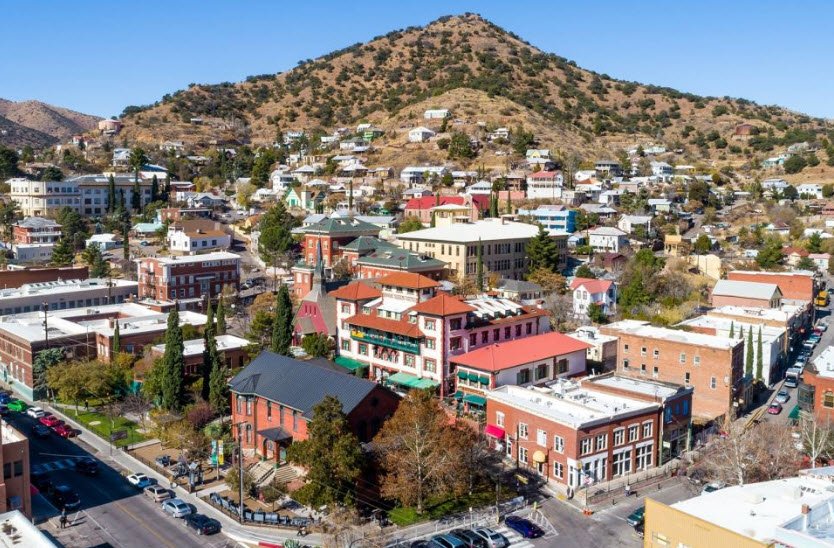





Explore the USA's most iconic attractions, from historic landmarks to breathtaking natural wonders.




Leave a comment