The global travel and tourism industry experienced remarkable growth in 2025, with international trips increasing by 80 million compared to 2024. According to the World Travel & Tourism Council (WTTC), the sector contributed to a 4.1% rise in global GDP, marking one of the strongest years for tourism worldwide.
Despite this surge, the United States is losing ground as a preferred destination. WTTC data shows that North America was the slowest-growing market in 2025, with U.S. tourism expanding by less than 1%. In contrast, the Asia-Pacific region grew by 8.2%, positioning China as a potential contender to surpass the U.S. as the world’s largest tourism market within four years.
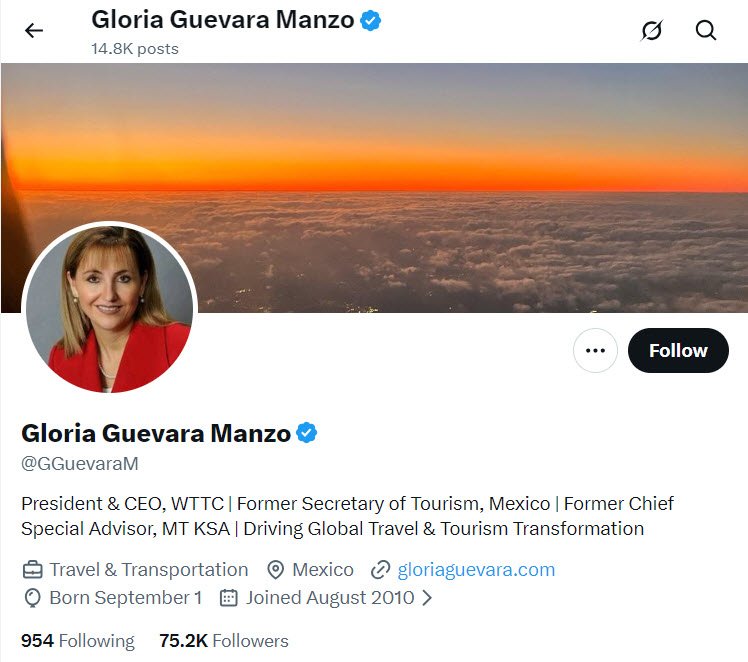
Gloria Guevara, WTTC’s president and CEO, emphasized that the U.S. could maintain its leadership by investing more in overseas promotion, rebuilding international demand, and improving the visitor experience at border entry points.
Heightened scrutiny at U.S. borders in early 2025, coupled with reports of detainments and deportations, discouraged international travelers. Several European countries, including Germany, the United Kingdom, Denmark, and Finland, issued advisories warning citizens about potential risks when entering the U.S. The Department of Commerce’s National Travel and Tourism Office (NTTO) reported a 20% decline in Canadian visitors, equating to 4.2 million fewer travelers.
Concerns over border detainment and gun violence have also contributed to the decline, making the U.S. less attractive compared to other destinations.
Travel remains a cornerstone of the U.S. economy. In 2025, visitor spending supported 15 million jobs and generated $3 trillion in economic output, representing 2.4% of national GDP. However, international visitors who typically spend up to eight times more per trip than domestic travelers declined by 2.3%.
Domestic travel continues to thrive, accounting for 87% of U.S. travel spending. Both leisure and business travel remain strong, but the loss of international visitors poses a significant challenge for future growth.
Geoff Freeman, president and CEO of the U.S. Travel Association, highlighted the urgency: “We are the only major destination in the world losing visitors. That is a problem we need to solve.”
While international visitor spending fell by 4.6% compared to pre-pandemic levels, domestic spending rose by 14.3%. The upcoming 2026 FIFA World Cup, co-hosted by the U.S., is expected to attract 1.24 million international visitors, offering a chance to rebuild global appeal.
Industry leaders suggest that with stronger overseas promotion, expanded Global Entry programs, and a more welcoming border experience, the U.S. can reclaim its position as a top global destination.
















Explore the USA's most iconic attractions, from historic landmarks to breathtaking natural wonders.