Mexico’s most wanted fugitive and one of the world’s most powerful drug traffickers, Nemesio Oseguera Cervantes widely known as "El Mencho" has been killed during a large-scale military operation, according to the country’s defence ministry.
The death of the feared leader of the Jalisco New Generation Cartel (CJNG) marks a significant moment in Mexico’s long-running battle against organised crime, though the aftermath has already triggered waves of violence across several regions.
The 59-year-old cartel boss reportedly died on Sunday while being transported to Mexico City after sustaining serious injuries during clashes between Mexican special forces and CJNG fighters in the town of Tapalpa, located in Jalisco state. Authorities confirmed that four cartel members were killed during the confrontation, while three soldiers were wounded.
The operation involved coordinated action by the army, National Guard and Mexican Air Force, with intelligence assistance provided by the United States.
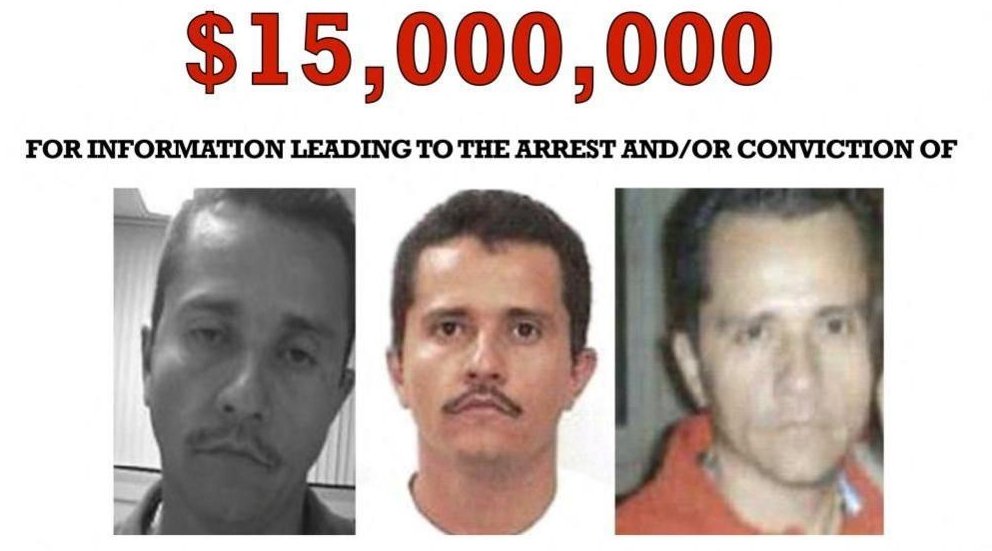
El Mencho, a former police officer turned criminal kingpin, had built CJNG into one of the most violent and influential cartels in Mexico. The organisation is known for trafficking massive quantities of cocaine, methamphetamine and fentanyl into the United States. For years, he was considered a top priority target for both Mexican and American authorities, with the US State Department offering a $15 million reward for information leading to his capture.
In the hours following the operation, cartel members launched retaliatory attacks across at least eight states. Vehicles were set on fire, roadblocks were erected, and security forces came under attack, creating widespread disruption and fear. Eyewitness footage showed smoke rising over cities including Guadalajara, one of the host cities for the upcoming FIFA World Cup. In the popular tourist destination of Puerto Vallarta, unrest reportedly left thousands of visitors stranded as flights were cancelled and transportation halted.
Authorities issued urgent safety warnings, and several airlines suspended services to affected areas. Meanwhile, the governor of Jalisco urged residents to remain indoors under a “code red” alert as public transport systems were temporarily shut down.
The US State Department also issued a shelter-in-place advisory for American citizens in multiple Mexican states, reflecting the seriousness of the security situation.
President Claudia Sheinbaum Pardo attempted to reassure the public, urging calm and emphasising that daily life continued as normal in most parts of the country. Nevertheless, analysts warn that the cartel’s violent response could overshadow what is being hailed as a major strategic victory for the Mexican government.
The CJNG has a long history of brutal tactics, including attacks on officials, the use of heavy weaponry, and public displays of violence designed to intimidate rivals and authorities alike.
El Mencho’s death also carries international implications. The United States has long viewed the CJNG as a primary driver of the fentanyl crisis, with the majority of seized fentanyl entering the country through the south-western border with Mexico. American officials praised the operation, calling it a significant development in the fight against global drug trafficking networks.
Politically, the operation could strengthen security cooperation between Mexico and the United States. However, it also comes amid sensitive discussions about sovereignty and cross-border military involvement, following remarks from US leaders suggesting tougher measures against cartels operating within Mexico.
Experts caution that while the elimination of a cartel leader is symbolically important, it does not automatically dismantle the criminal organisation itself. CJNG has expanded far beyond its original power base in Jalisco and maintains a strong presence throughout Mexico and in international drug markets. Leadership struggles or splinter factions could potentially spark further violence in the coming weeks.
For many Mexicans, the news represents a rare moment of progress in a conflict that has shaped the country’s security landscape for more than a decade. Yet the burning vehicles, disrupted cities and anxious residents highlight the complex reality that follows such high-profile operations — a reminder that the fight against organised crime is far from over.



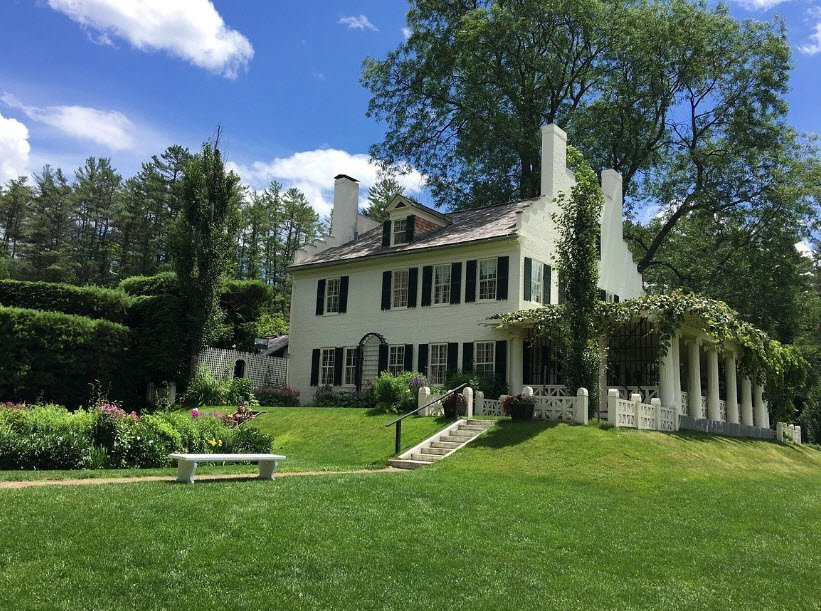



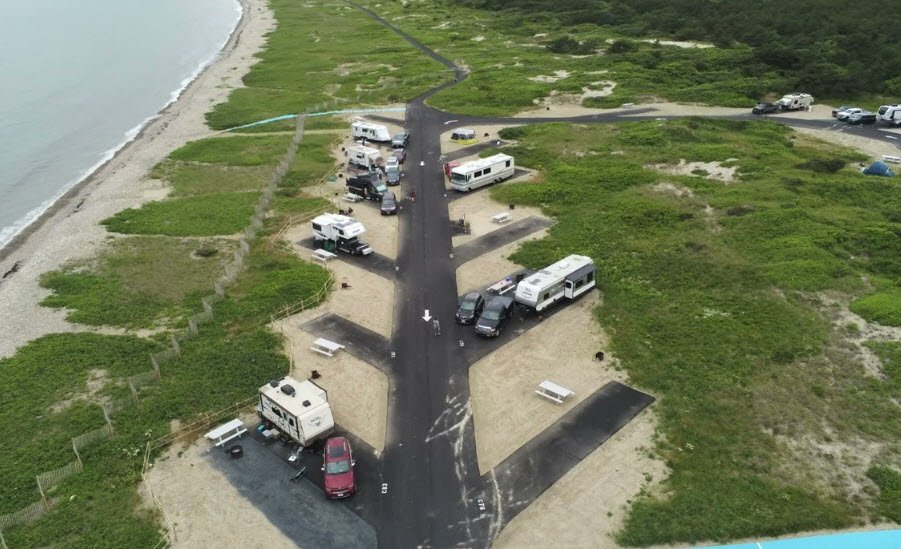

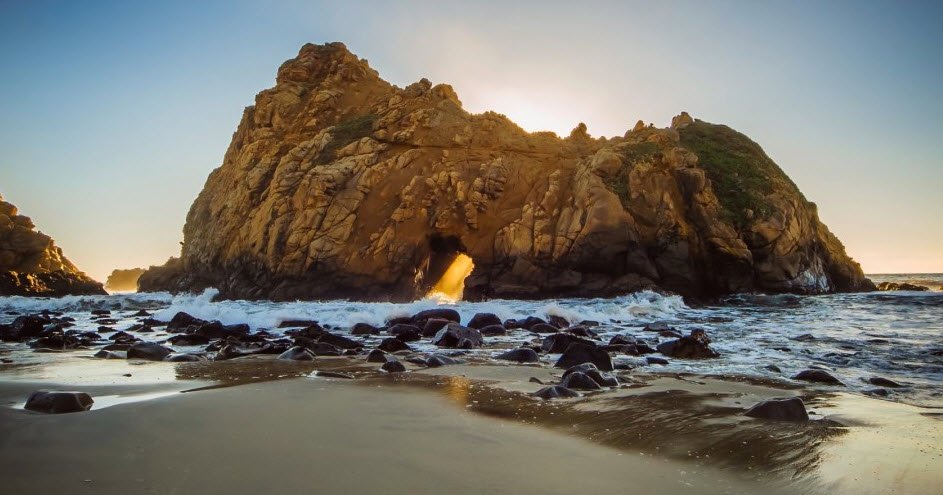

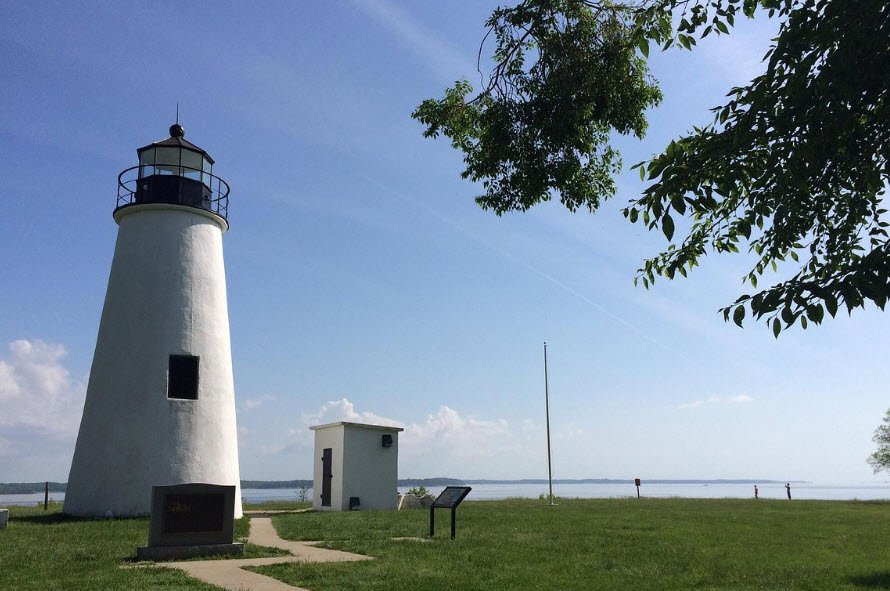


Explore the USA's most iconic attractions, from historic landmarks to breathtaking natural wonders.