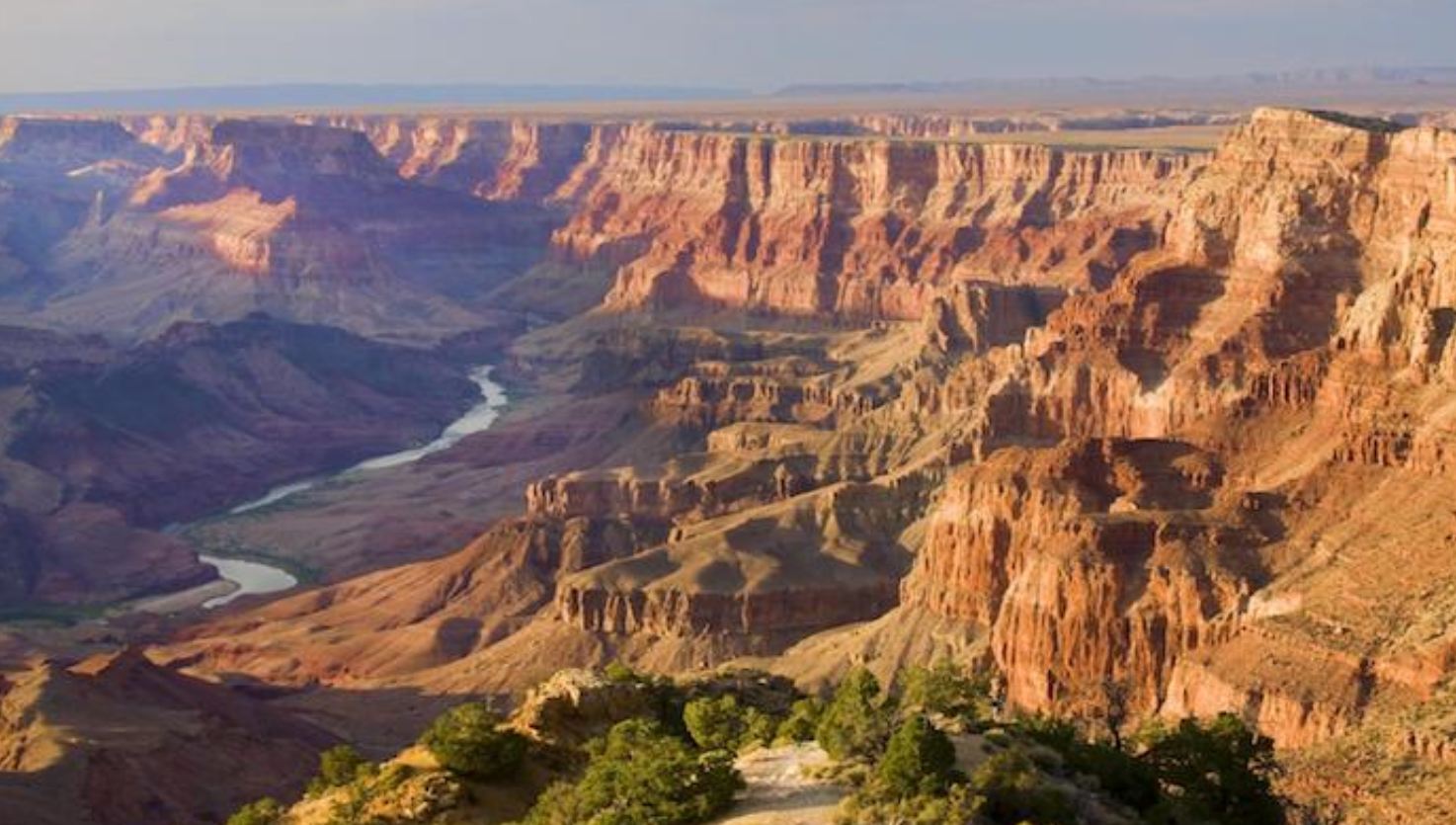
Few natural landmarks in the world are as instantly recognizable as the Grand Canyon. Carved over millions of years by the Colorado River, this immense canyon stretches approximately 277 miles (446 km) across northern Arizona and reaches depths of more than a mile in places.
For most visitors, the South Rim is the most accessible and rewarding way to experience the park, offering dramatic viewpoints, visitor facilities, hiking trails, and year-round access.
One of the biggest advantages of visiting in autumn is the combination of cooler temperatures and lighter crowds compared with the busy summer season. The South Rim remains open 24 hours a day, 365 days a year, making it possible to enjoy both sunrise and sunset views without worrying about seasonal closures.
The South Rim is the most popular section of Grand Canyon National Park because it offers some of the canyon's most iconic vistas. Visitors can stand on the rim and look across layers of colorful rock formations that reveal nearly two billion years of geological history. Well-maintained roads, shuttle buses, visitor centers, museums, and hiking trails make it suitable for both first-time visitors and experienced outdoor enthusiasts.
Popular viewpoints include:
Among these, Mather Point is one of the most accessible locations for first-time visitors and remains one of the best places to watch the sunset over the canyon.
Visitors entering Grand Canyon National Park through the South Rim currently pay $35 per private vehicle, which covers all occupants and remains valid for seven consecutive days. Individual visitors arriving on foot or bicycle pay $20, while motorcycle passes cost $30.
The park operates a cashless payment system. Credit cards, debit cards, and accepted park passes are required at entrance stations. The seven-day pass provides access to South Rim facilities and attractions throughout the park.
Getting There
The South Rim is conveniently located for travelers exploring northern Arizona.
Approximate driving times include:
Many visitors use Flagstaff or Williams as their base before traveling to the canyon. Williams is also the departure point for the historic Grand Canyon Railway, a popular alternative to driving.
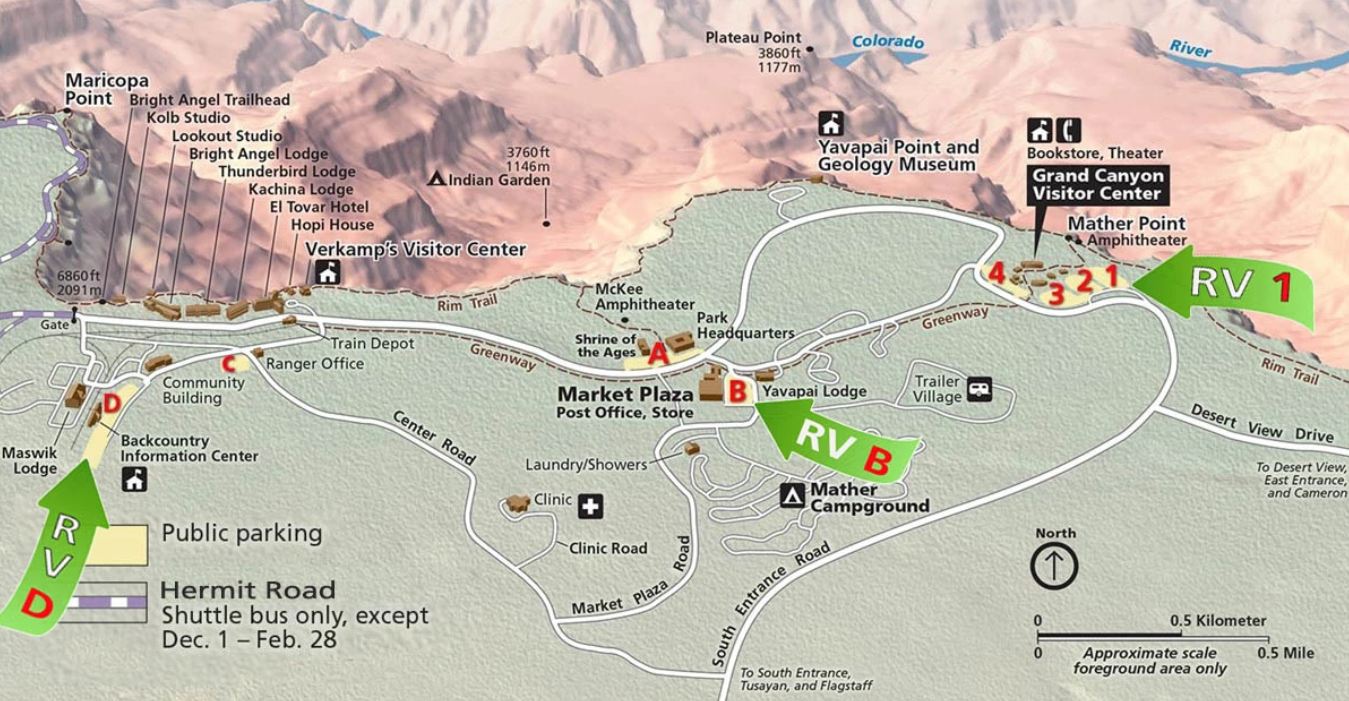
The main visitor area at the South Rim provides information, exhibits, maps, and access to shuttle transportation. Free shuttle buses operate throughout much of the park and help reduce congestion during busy periods.
Several shuttle routes connect major attractions:
During the fall season, Hermits Rest shuttles generally continue operating until approximately one hour after sunset, allowing visitors to enjoy evening views before returning to the village area.
One of the most beautiful drives along the South Rim is Hermit Road, which follows the canyon edge west of Grand Canyon Village. However, private vehicles are generally prohibited on this route from March 1 through November 30. During this period, visitors use the free Red Route shuttle, walk, or cycle to access the overlooks.
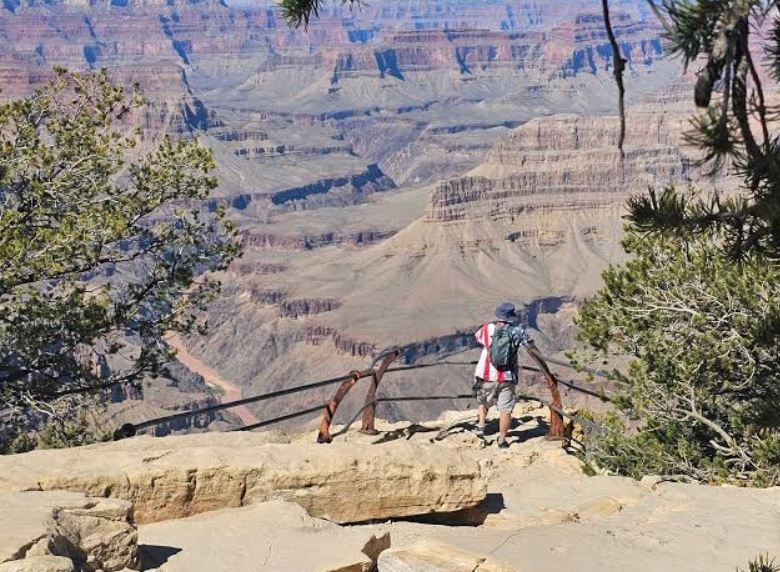
The route includes spectacular stops such as:
Many photographers consider Hopi Point and Mohave Point among the best sunset locations in the entire park.
Travelers should be aware that lodging conditions can change due to infrastructure repairs and water-related issues affecting the park. Recent damage to the park's water system resulted in temporary restrictions and lodging impacts at several South Rim properties. According to the latest updates, some in-park lodging facilities have experienced closures or operational changes while repairs continue. Visitors should verify the status of accommodations directly with park authorities or lodging operators before traveling.
Because lodging availability can be limited during repair periods, Tusayan, located just outside the South Entrance, remains one of the most convenient places to stay. The town offers hotels, restaurants, fuel stations, and visitor services only minutes from the park entrance.
Travelers should also carry adequate drinking water, especially when hiking or spending extended periods along the rim, as water restrictions may affect some facilities.
1) Watch Sunrise or Sunset
Changing light transforms the canyon throughout the day. Sunrise brings softer colors and fewer crowds, while sunset illuminates the canyon walls with rich shades of orange, red, and gold.
2) Walk the Rim Trail
The mostly paved Rim Trail stretches for miles along the canyon edge and offers incredible views without requiring strenuous hiking.
3) Visit Yavapai Geology Museum
This museum helps visitors understand how the canyon formed and explains the vast geological timeline visible in the rock layers.
4) Take a Scenic Shuttle Ride
The free shuttle system allows visitors to explore multiple viewpoints without dealing with parking.
5) Hike Below the Rim
Experienced hikers can descend portions of the Bright Angel Trail or South Kaibab Trail, but park officials advise carrying plenty of water and avoiding overexertion, especially during warmer months.
Final Thoughts
The South Rim of the Grand Canyon remains one of Arizona's most extraordinary destinations. Whether you spend a few hours admiring the views or several days exploring the trails and overlooks, the scale and beauty of the canyon leave a lasting impression.
With year-round access, free shuttle transportation, world-famous viewpoints, and nearby lodging options in Tusayan, it is an essential stop for anyone visiting the American Southwest.













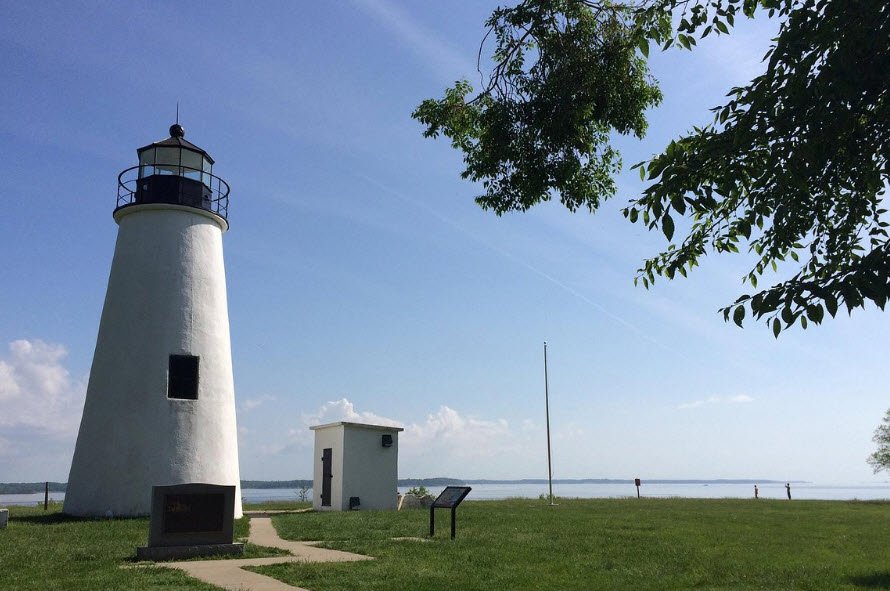


Explore the USA's most iconic attractions, from historic landmarks to breathtaking natural wonders.