Top of the Rock in Branson, Missouri, is an expansive amusement and nature center perched at the highest elevation in Taney County, offering stunning views of the Ozark Mountains and Table Rock Lake.
Knob Noster State Park covers 3,934 acres in Johnson County, Missouri, blending open oak woodlands, prairie patches, and the winding Clearfork Creek with its unique Pin Oak Slough Natural Area, home to rare pale green orchids.
The Missouri History Museum in St. Louis, located in Forest Park, is one of the nation's most visited history museums and is operated by the Missouri Historical Society.
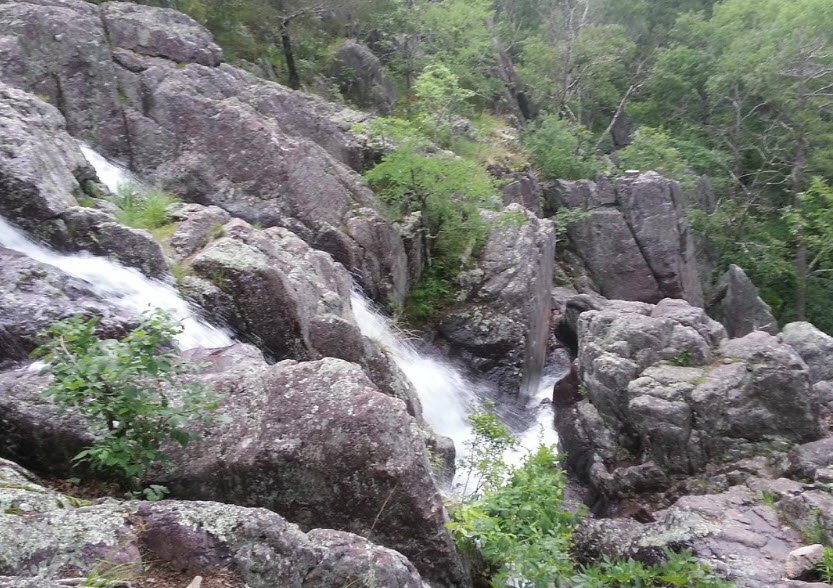
Johnson's Shut-Ins State Park in Missouri is a 9,432-acre park known for its unique geological formations where the East Fork Black River is funneled through narrow, erosion-resistant rhyolite rock channels, known as shut-ins.
The Saint Louis Science Center in Missouri is a prominent science museum and planetarium complex founded as a planetarium in 1963, now featuring over 750 interactive exhibits across 300,000 square feet.
The Missouri State Penitentiary, located in Jefferson City, Missouri, was a maximum-security prison that operated from 1836 to 2004, making it the oldest continuously operating prison west of the Mississippi River until its closure.
Sappington Cemetery State Historic Site, located five miles southwest of Arrow Rock in Saline County, Missouri, preserves a two-acre family cemetery established in 1831 by prominent physician Dr. John Sappington, who is buried there along with two Missouri governors—his sons-in-law Claiborne Fox Jackson (15th governor) and Meredith Miles Marmaduke (8th governor)—and 111 marked graves enclosed by a stone wall and iron fence added in 1859.
Pinckney Bend Distillery is a small, family-run distillery located in New Haven, Missouri, known for crafting premium, small-batch spirits that reflect the heritage and natural environment of the region.
Elephant Rocks State Park in Missouri is famous for its massive granite boulders that resemble a train of circus elephants lined up across the landscape.
The Negro Leagues Baseball Museum, located in Kansas City's historic 18th & Vine District, was founded in 1990 to preserve and celebrate the history of African-American baseball leagues that operated during segregation when Black players were barred from Major League Baseball.
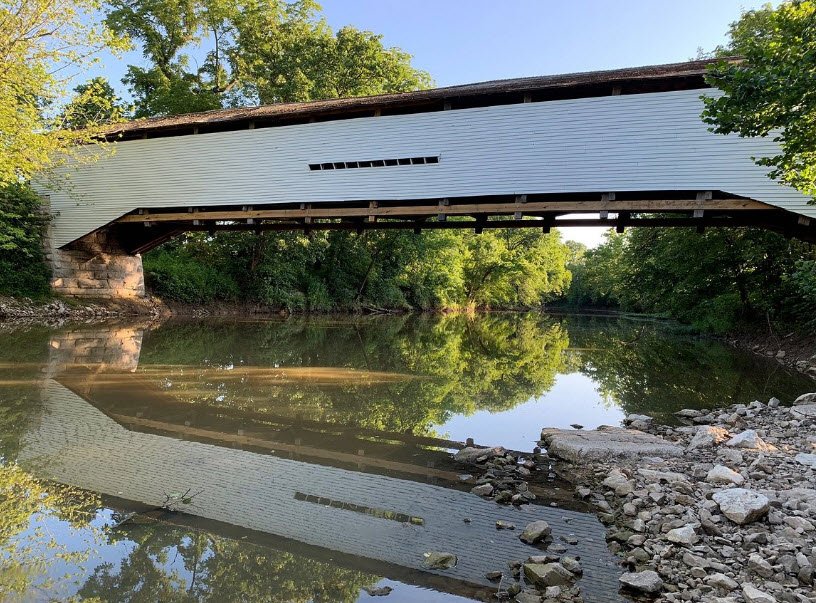
Bollinger Mill State Historic Site in Missouri preserves a four-story brick gristmill built in 1867 by Solomon R. Burford on the Whitewater River in Burfordville, Cape Girardeau County, atop the limestone foundation of an earlier mill started in 1800 by George Frederick Bollinger after his Spanish land grant.
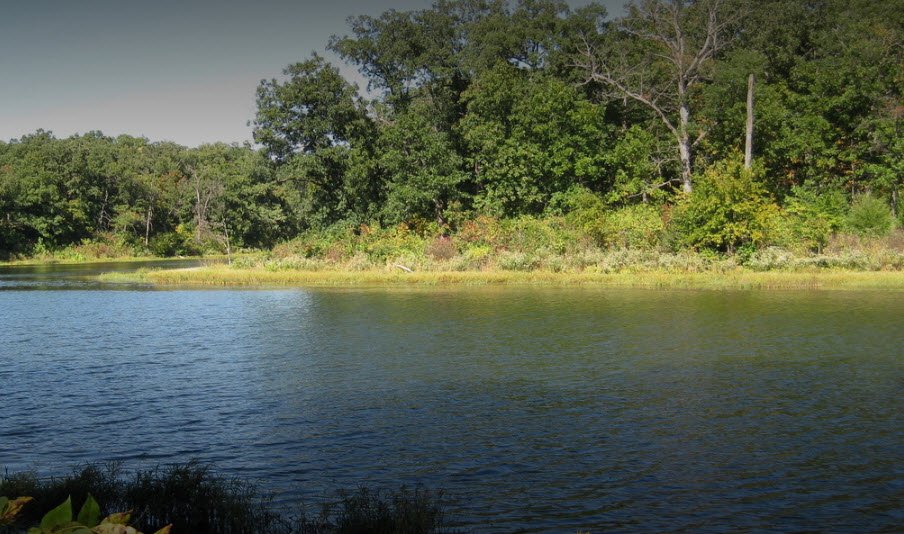
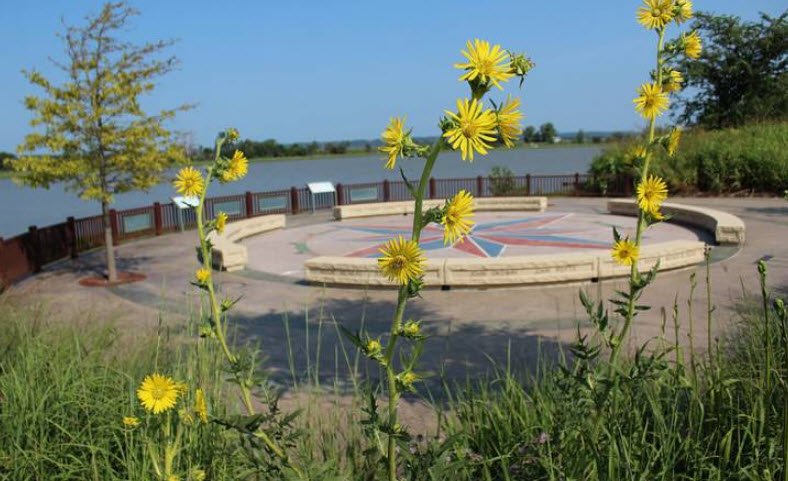
Lewis and Clark State Park in Missouri covers 189 acres on the south shore of 365-acre Lewis and Clark Lake (also called Sugar Lake), an oxbow remnant of the Missouri River in Buchanan County near Rushville.
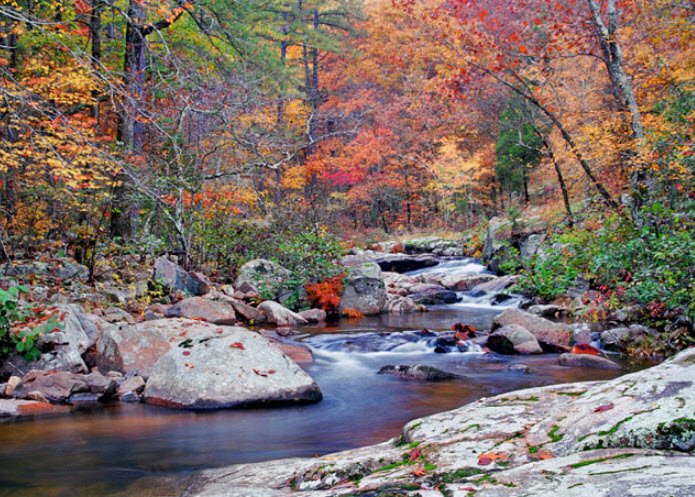
Hawn State Park in Missouri spans nearly 5,000 acres in Ste. Genevieve County, featuring stunning sandstone canyons, cliffs, pine-oak forests, and clear sand-bottom streams like Pickle Creek that create one of the state's most scenic landscapes.
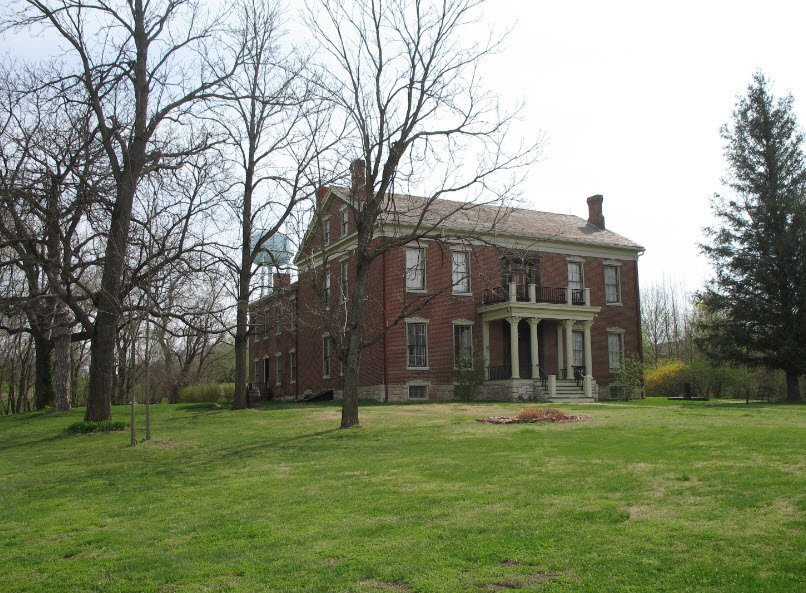
Battle of Lexington State Historic Site in Missouri preserves 106 acres in Lexington where Confederate Missouri State Guard troops under Maj. Gen. Sterling Price defeated Union Col. James A. Mulligan's forces during the September 18-20, 1861, Battle of the Hemp Bales, a key early Civil War clash that boosted Southern morale by capturing the vital Missouri River port.
The American Jazz Museum, located in the historic 18th & Vine Jazz District of Kansas City, Missouri, preserves and celebrates the rich heritage of jazz music, especially Kansas City jazz.
Taum Sauk Mountain State Park in Missouri encompasses 7,500 acres in the St. Francois Mountains, home to the state's highest point at 1,772 feet above sea level offering panoramic Ozark views from a paved trail and lookout tower.