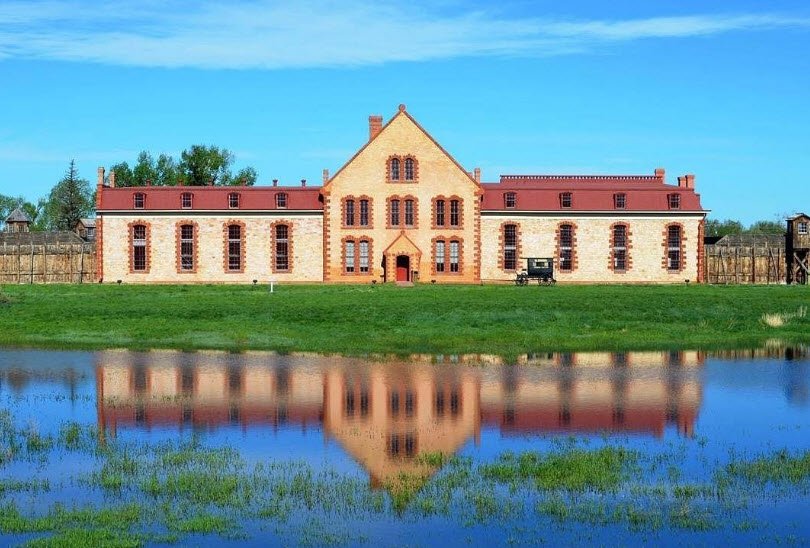
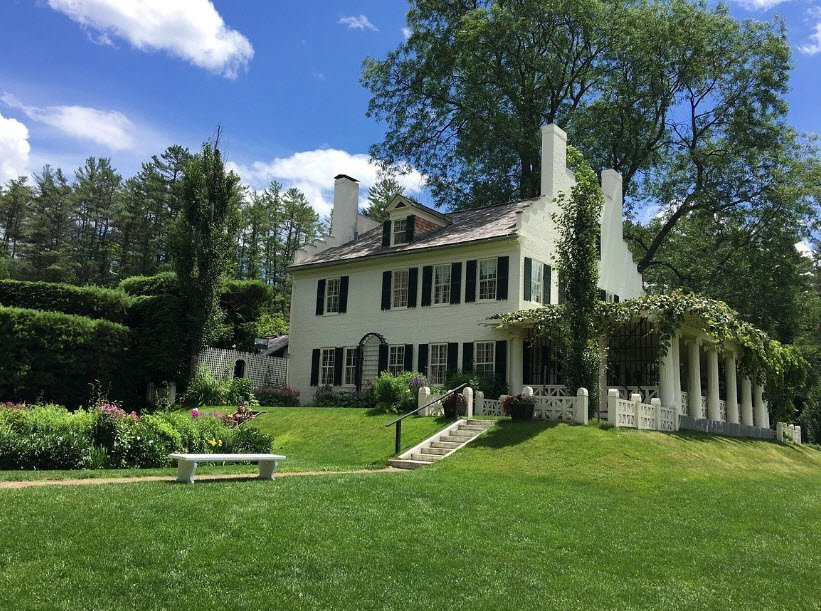
The Wyoming Territorial Prison State Historic Site near Laramie, Wyoming, was built in 1872 and served as a federal penitentiary until 1890, after which it became Wyoming’s first state prison until 1901.
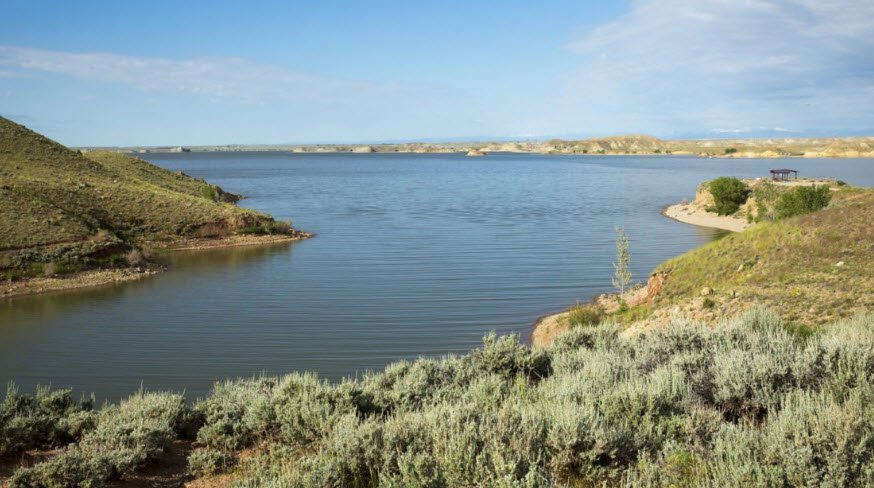
Boysen State Park is Wyoming's largest state park, encompassing 15,000 acres around the massive 19,560-acre Boysen Reservoir on the north-flowing Wind River in Fremont County, near Shoshoni at the south end of the Owl Creek Mountains.
Thunder Basin National Grassland in Wyoming spans approximately 872,000 acres in the Powder River Basin, situated between the Big Horn Mountains and the Black Hills.
Mammoth Hot Springs in Yellowstone National Park, Wyoming, is a large and complex series of travertine terraces formed over thousands of years by hot spring water depositing calcium carbonate as it cools.
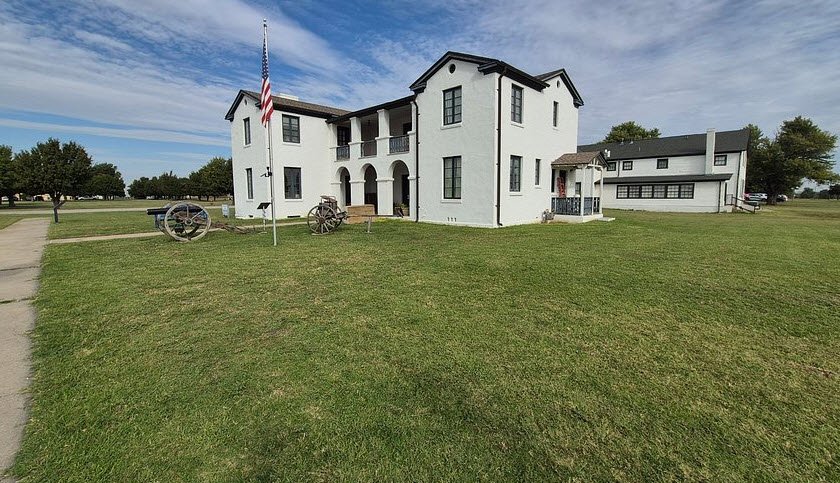
Fort Reno in Wyoming, located on a high plateau along the Powder River near the Bozeman Trail crossing in Johnson County, served as a short-lived U.S. Army outpost established in August 1865 during General Patrick Connor's Powder River Expedition against Lakota Sioux, Arapaho, and Cheyenne tribes resisting emigrant travel through their hunting grounds.
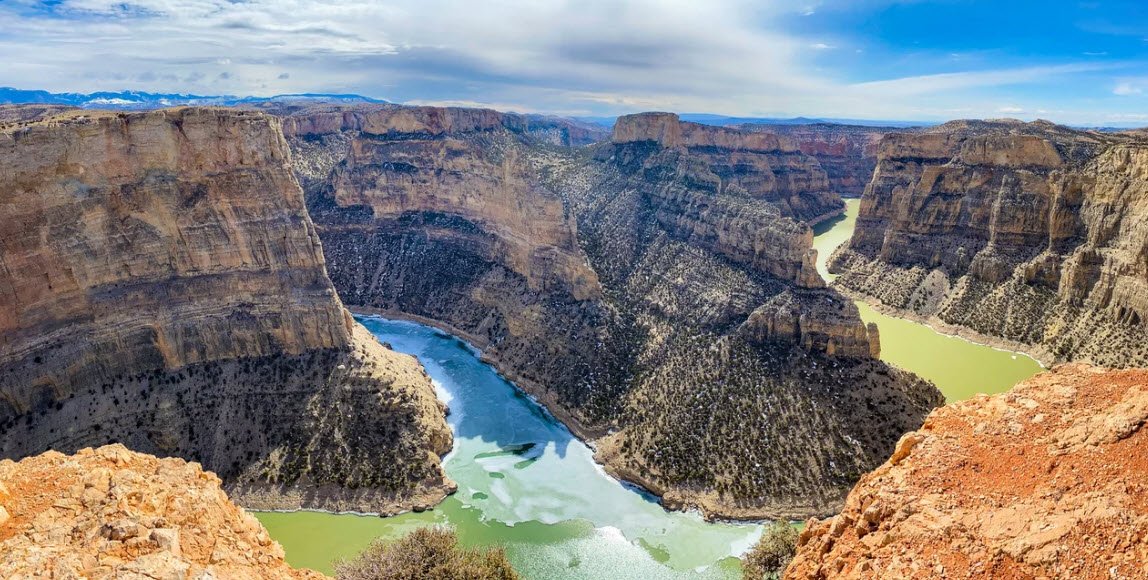
Bighorn Canyon National Recreation Area spans over 120,000 acres across Wyoming and Montana, encompassing a vast landscape of towering canyon walls, forests, prairies, and wetlands.
The Grand Canyon of the Yellowstone in Wyoming is a spectacular canyon approximately 24 miles long, ranging from 800 to 1,200 feet deep and up to 4,000 feet wide in places.
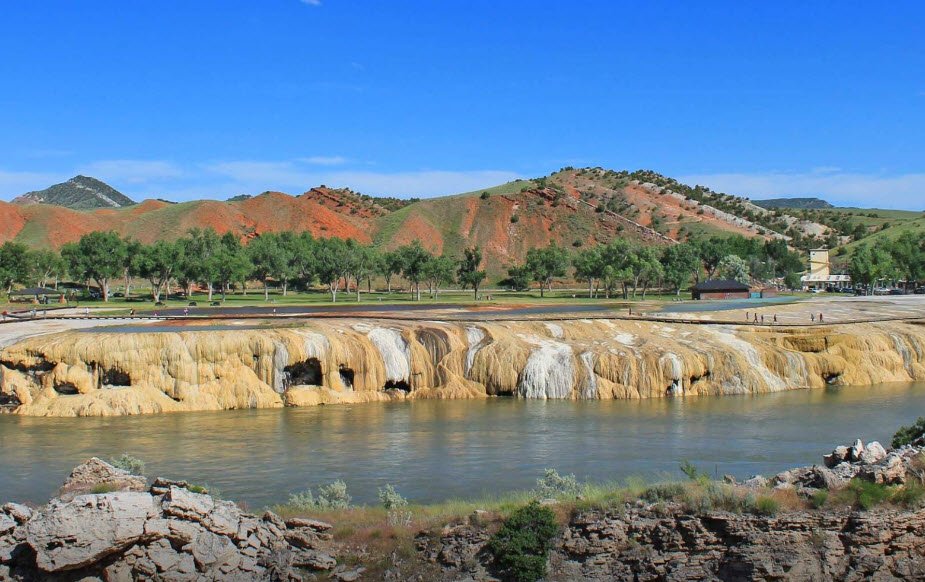
Hot Springs State Park in Thermopolis, Wyoming, is the state’s oldest park, established in 1897 on land purchased from the Eastern Shoshone and Northern Arapaho tribes.
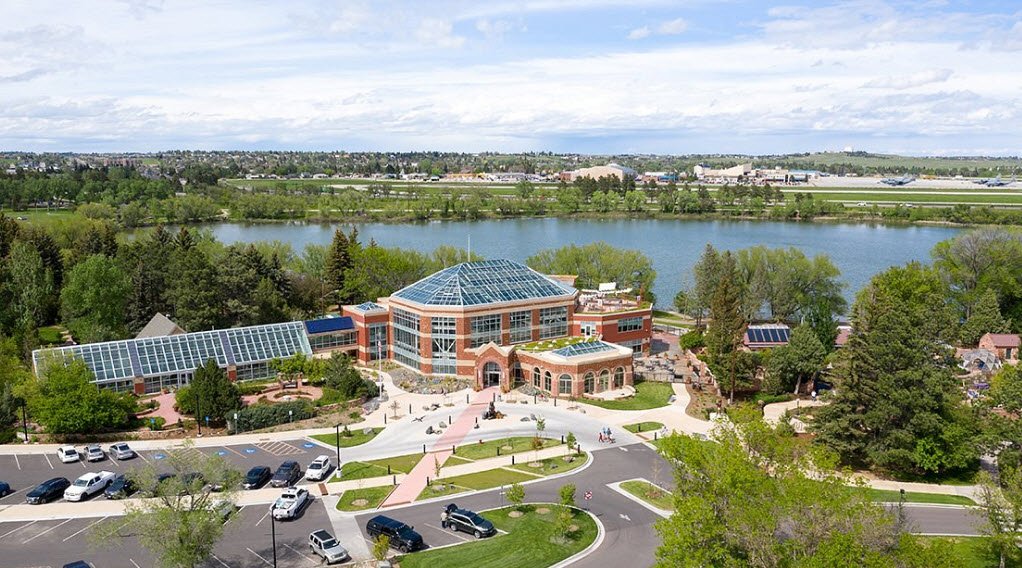
The Cheyenne Botanic Gardens in Wyoming, established in 1977, originated as a nonprofit solar-heated greenhouse project that evolved into a celebrated botanical garden located in Lions Park.
The National Elk Refuge in Wyoming, established in 1912, is a critical winter sanctuary covering about 24,700 acres near Jackson Hole, providing essential habitat for one of the largest elk herds in the country.
Wind River Hotel & Casino, Wyoming's largest gaming destination, is owned and operated by the Northern Arapaho Tribe on the Wind River Indian Reservation at 180 Red Wolf Place in Riverton.
Bridger-Teton National Forest in western Wyoming covers 3.4 million acres, making it the third largest national forest outside Alaska and part of the Greater Yellowstone Ecosystem.
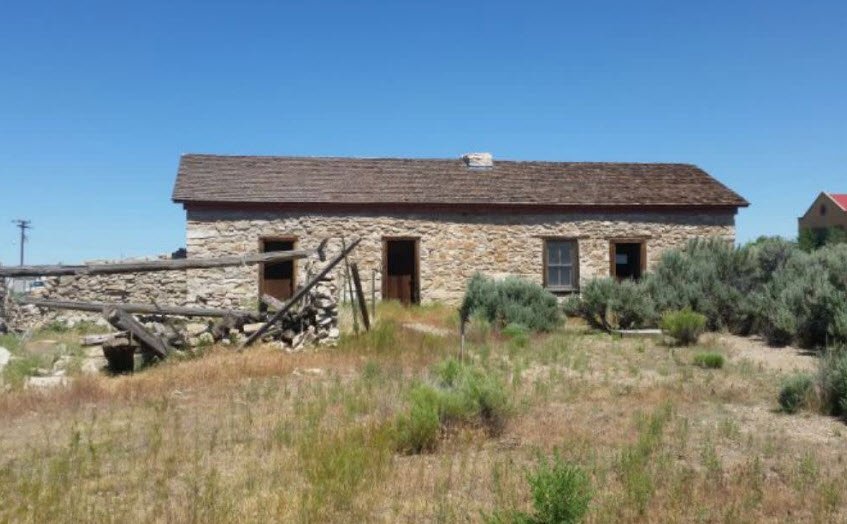
Granger Stage Station State Historic Site in Granger, Wyoming, preserves one of the earliest and most important stagecoach stops on the Overland Trail, originally built around 1850 as the dugout-style Ham's Fork station near the Ham's Fork-Black's Fork river confluence and replaced in 1856 by a sturdy two-room stone structure renamed South Bend Station.
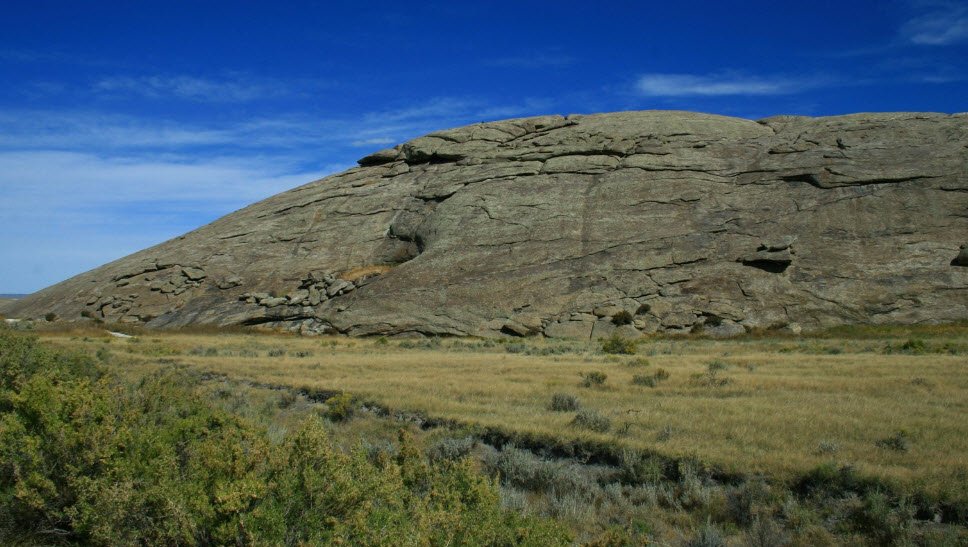
Independence Rock State Historic Site in Wyoming is a massive granite formation that served as a critical landmark for pioneers traveling west along the Oregon, Mormon, and California trails in the 19th century.
Saratoga Hot Springs Resort in Wyoming has a history dating back over 145 years, beginning as a log store before evolving into a well-known mineral hot springs hotel and eventually becoming a state hot springs reserve.
The Cheyenne Depot Museum is housed in the historic Union Pacific Railroad station in Cheyenne, Wyoming, built in 1886 from sandstone quarried in Colorado and expanded in 1922.