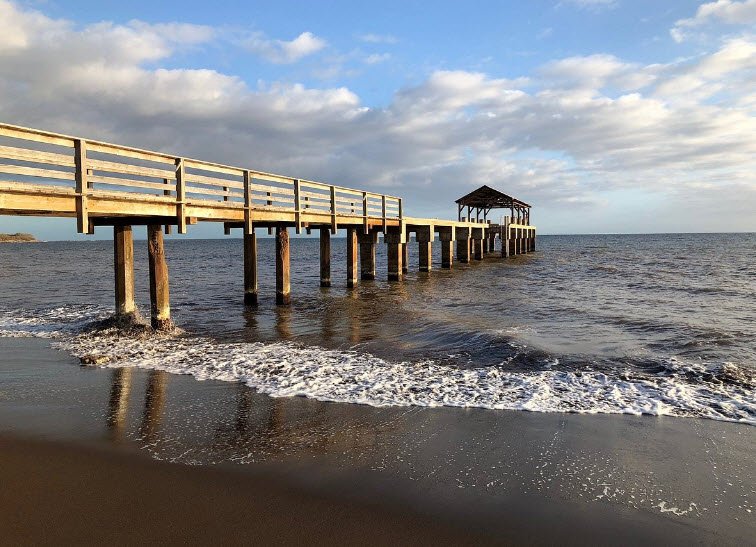
Waimea Landing State Recreation Pier, also known as Waimea State Recreational Pier, is a serene oceanfront park on Kauaʻi’s southwest coast in Waimea, Hawaii, USA, featuring a historic pier built in 1865 for whaling and sugar transport amid a rare black-sand beach.
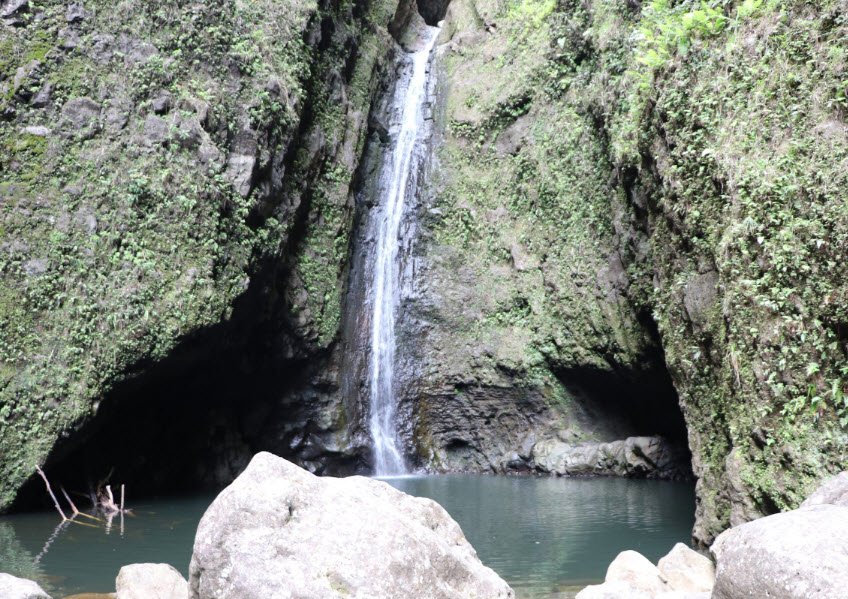
Sacred Falls State Park (Kaliuwaʻa), spanning 1,370 acres in Hauʻula on Oʻahu's North Shore, Hawaii, features dramatic steep cliffs, lush Kaluanui Valley, flowing streams, and an 80-foot waterfall with a swimmable pool sacred in Hawaiian lore tied to the demigod Kamapuaʻa.
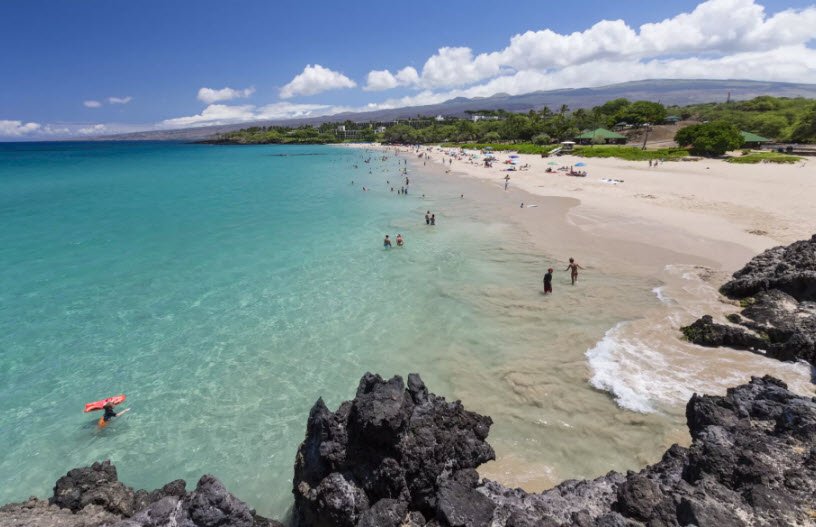
Hāpuna Beach State Recreation Area features one of Hawaii's finest white-sand beaches on the Kohala Coast of Hawaiʻi Island, stretching nearly a half-mile with powdery sand and clear turquoise waters ideal for swimming, snorkeling, and bodysurfing during calm summer conditions.
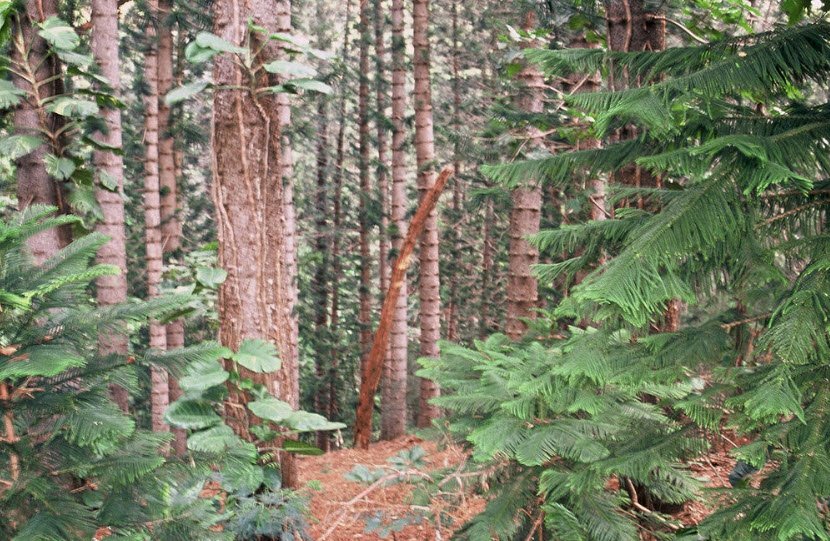
Keaīwa Heiau State Recreation Area is a 384-acre forested park in the ʻAiea Heights hills above Pearl Harbor on Oʻahu, Hawaii, USA, about 12 miles from Waikīkī, featuring groves of Norfolk pines and lemon eucalyptus that fill the air with a citrus scent.
ʻAiea Bay State Recreation Area lies along Pearl Harbor's East Loch on Oʻahu's southern shores in Hawaii, USA, offering a peaceful coastal escape with grassy picnic areas shaded by palms.
Punaluʻu Beach, located on the southern coast of the Big Island of Hawaii between Pāhala and Nāʻālehu, is famous for its striking black sand made from basalt, a result of lava flowing into the ocean and rapidly cooling.
Sunset Beach Park on Oahu’s North Shore is a renowned two-mile stretch of soft beige sand known for its spectacular sunsets and world-class big wave surfing, especially during the winter when waves can reach over 30 feet.
Molokini is a crescent-shaped, partially submerged volcanic crater and small uninhabited islet located about 2.5 miles off the southwest coast of Maui in Hawaii, formed by volcanic activity approximately 200,000 to 230,000 years ago.
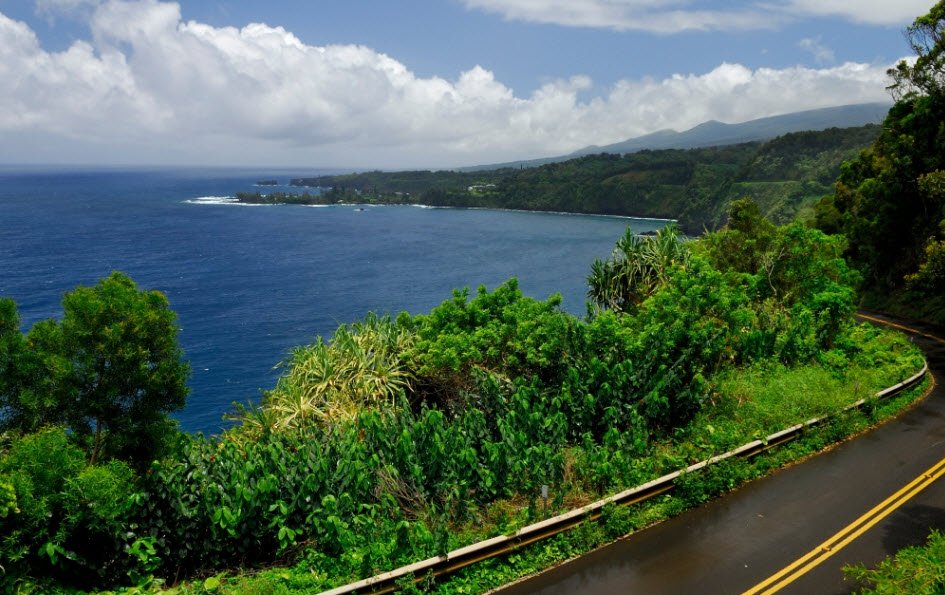
Kaumahina State Wayside Park is a 7.8-acre forested rest stop at mile marker 12.2 along Maui's scenic Road to Hana in Hawaii, USA, featuring exotic plants like African tulip trees and paperbark amid lush greenery.
Papohaku Beach Park on the west coast of Molokai, Hawaii, is one of the largest white sand beaches in the state, stretching nearly three miles wide and about 100 yards across.
Haleakalā National Park on Maui is known for its striking volcanic landscapes dominated by the dormant Haleakalā volcano, which rises over 10,000 feet and features one of the world’s largest volcanic craters formed mainly by erosion.
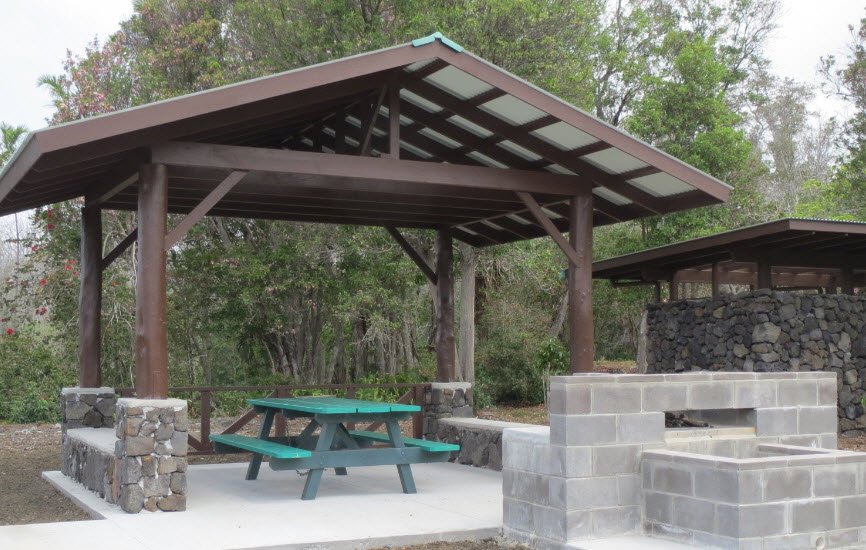
Manuka State Wayside Park is a 13.4-acre roadside rest area on Hawaii Island's Kaʻū coast, about 19 miles west of Naʻalehu along Highway 11, surrounded by the vast 25,550-acre Manuka Natural Area Reserve on Mauna Loa's leeward slopes.
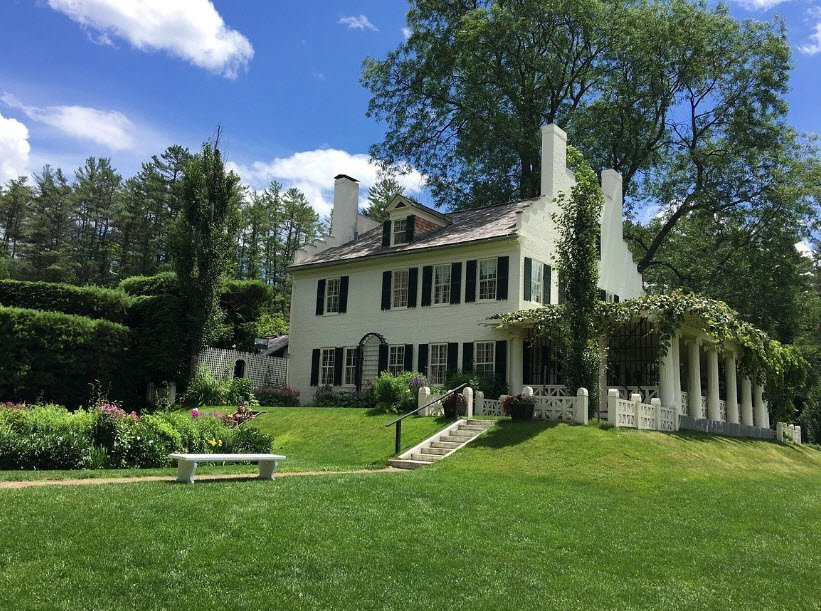
Shangri La Museum of Islamic Art, Culture and Design in Honolulu, Hawaii, was originally the oceanfront home of wealthy heiress and philanthropist Doris Duke, built between 1936 and 1938 after her extensive travels through the Islamic world inspired its design.
Capitol Modern, formerly known as the Hawaii State Art Museum, is Hawaii’s official state art museum located on the second floor of the No. 1 Capitol District Building in downtown Honolulu near ʻIolani Palace.
The Pacific Tsunami Museum in Hilo, Hawaii, is dedicated to preserving the history and raising awareness about tsunamis that have significantly impacted the region.
The Hawaiian Mission Houses Historic Site and Archives in Honolulu is a National Historic Landmark preserving the history of early 19th-century Protestant missionaries in Hawaii.
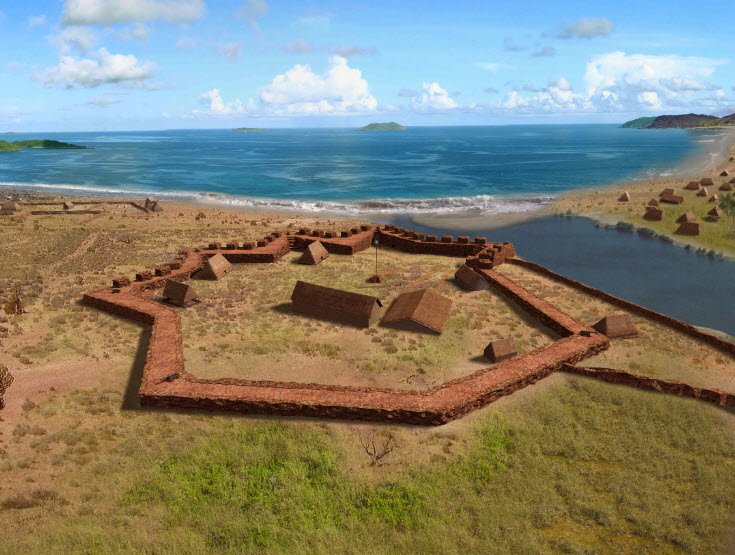
Pāʻulaʻula State Historical Park, also known as Russian Fort Elizabeth, is a small historic site on the east bank of the Waimea River mouth in Waimea on Kauaʻi, Hawaii, USA, preserving the ruins of Hawaii's only Russian-built fort from 1817.





.jpg)