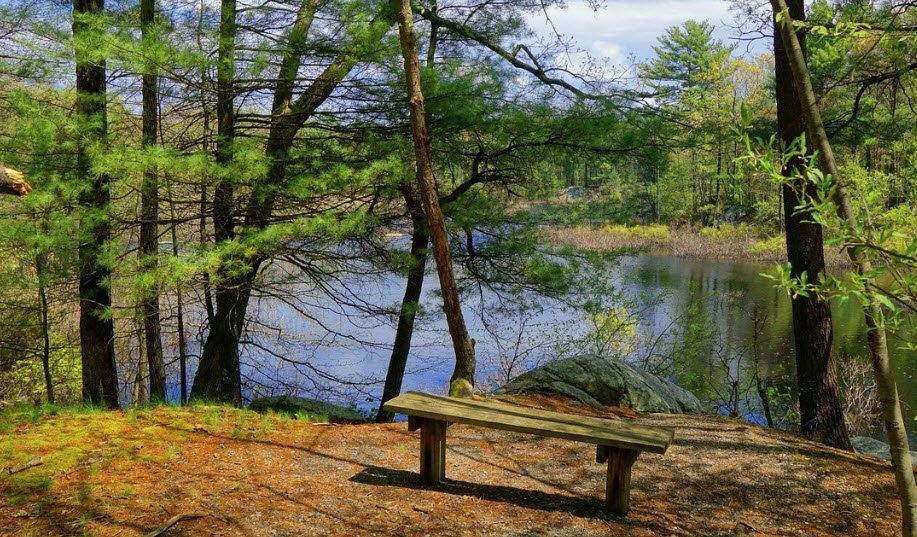
Wompatuck State Park spans over 3,500 acres across Hingham, Cohasset, Norwell, and Scituate in Massachusetts, offering forests, streams, ponds, and a reservoir on former Native American and WWII naval ammunition depot land.
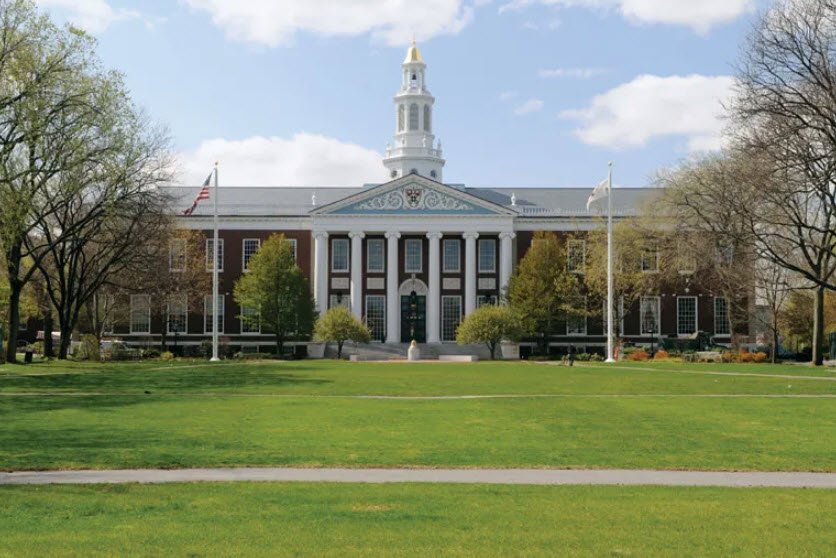
Harvard University, located in Cambridge, Massachusetts, is the oldest institution of higher education in the United States, founded in 1636 by a vote of the Great and General Court of the Massachusetts Bay Colony.
Cape Cod is a sandy peninsula in southeastern Massachusetts that extends about 65 miles into the Atlantic Ocean, with widths varying from 1 to 20 miles.
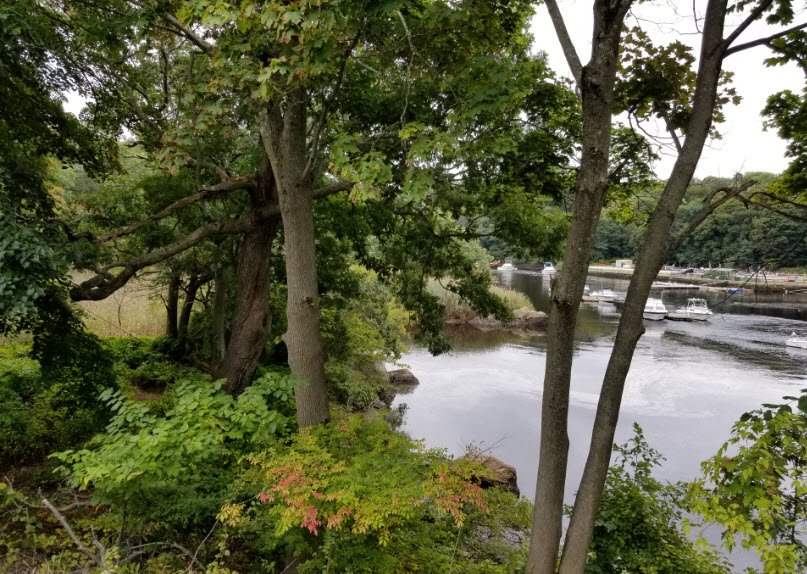
Weymouth Back River Reservation in Weymouth and Hingham, Massachusetts, forms part of a 950-acre Area of Critical Environmental Concern along the tidal Weymouth Back River, which flows about 10 miles from Whitman's Pond into Hingham Bay south of Boston.
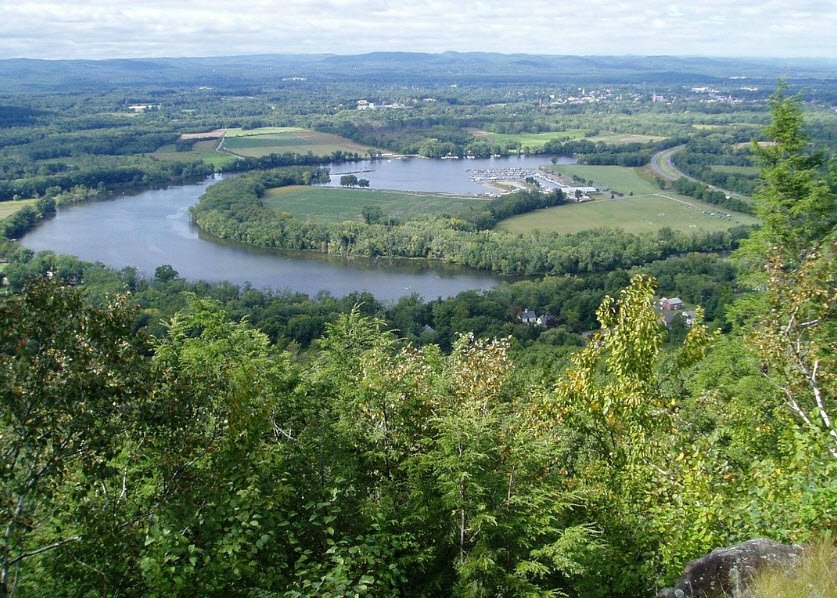
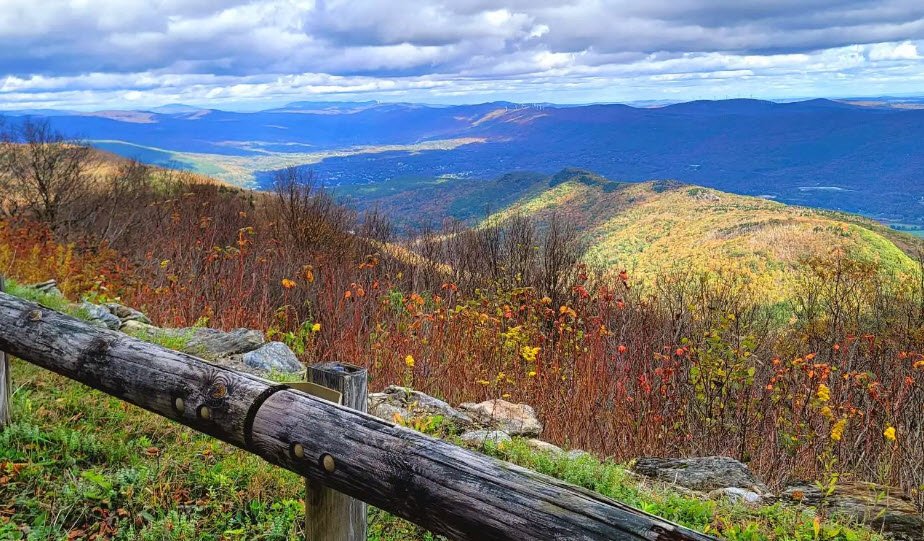
Mount Tom State Reservation spans nearly 2,000 acres across Holyoke, Easthampton, and Hampshire County in Massachusetts' Pioneer Valley, encompassing the Mount Tom Range with its high cliffs, rugged terrain, lakes, forests, and panoramic views of the Connecticut River Valley.
The Old North Church, officially Christ Church in the City of Boston, is the oldest standing church building in Boston, built in 1723 in Georgian style inspired by architect Christopher Wren.
The Old South Meeting House in Boston, Massachusetts, built in 1729, was the largest building in colonial Boston and played a pivotal role in American history as the setting for major events leading up to the American Revolution.
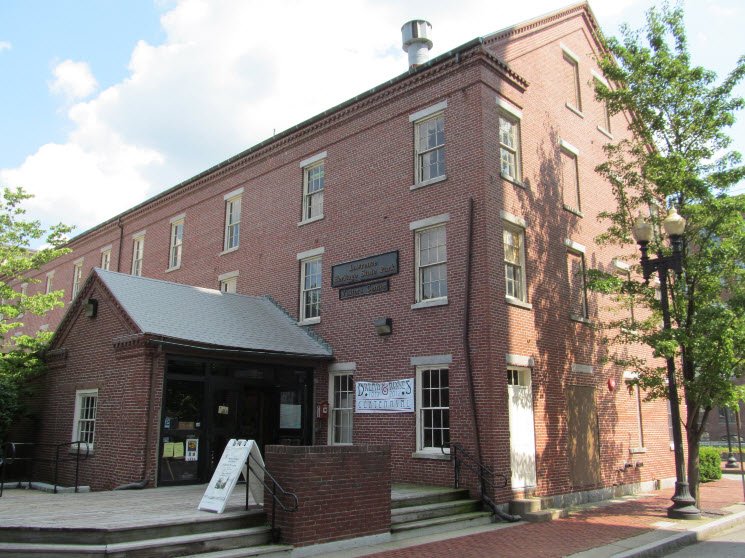
Lawrence Heritage State Park is a small, history‑themed state park in the city of Lawrence, Massachusetts, built along the Merrimack River to celebrate the town’s industrial past and immigrant communities.
Mount Greylock State Reservation is a 12,000‑ plus‑acre public park on and around Mount Greylock, the highest point in Massachusetts at about 3,490 feet, located in the northwestern Berkshires near Lanesborough, Adams, and Williamstown.
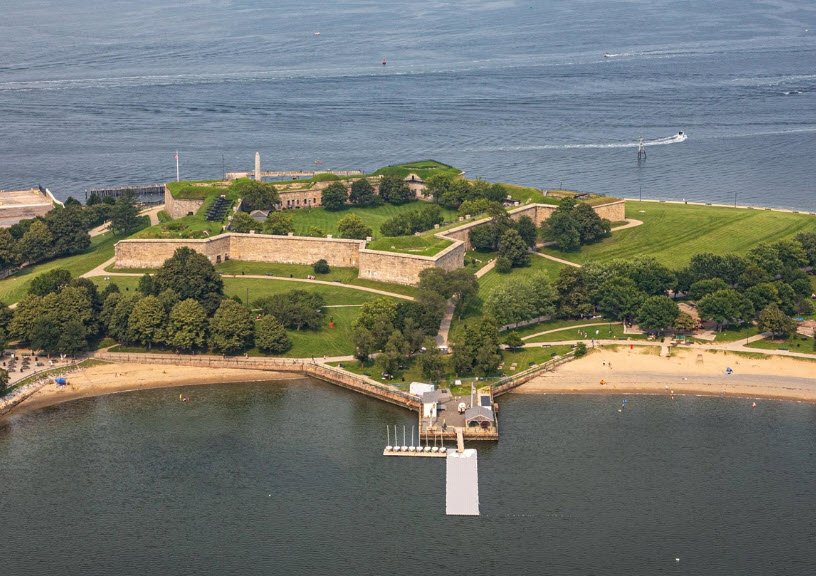
Castle Island, now a peninsula in South Boston, Massachusetts, connected to the mainland since 1928, has served as a key harbor defense site since 1634 with successive fortifications, culminating in the star-shaped Fort Independence built from 1834 to 1851.
Neponset River Reservation stretches along the Neponset River from Milton through Dorchester to Boston Harbor in Massachusetts, encompassing marshes, wetlands, woodlands, and riverfronts as one of the state's earliest protected areas established in 1893.
Adams National Historical Park in Quincy, Massachusetts, preserves the homes and legacy of the Adams family, including Presidents John Adams and John Quincy Adams, as well as other family members who played significant roles in American history.
Waquoit Bay National Estuarine Research Reserve is a 2,700‑ to 2,800‑acre protected area on the south shore of Cape Cod, in the towns of Falmouth and Mashpee, Massachusetts, where fresh water from rivers and groundwater mixes with salty ocean water to form a shallow bay ecosystem.
Southwick's Zoo in Mendon, Massachusetts, is New England's largest zoo, covering over 200 acres and home to more than 850 animals from over 165 species.
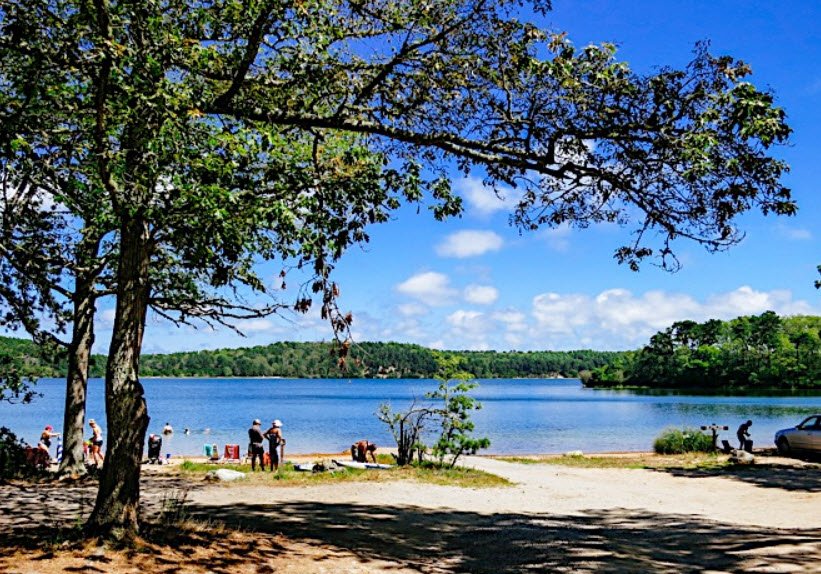
Nickerson State Park is a 1,900‑acre state park in Brewster on Cape Cod, Massachusetts, known for its sandy soil, scrub pines, and a network of eight freshwater kettle ponds shaped by ancient glaciers.
The New England Aquarium in Boston opened its doors in 1969 as one of the world's first modern aquariums and quickly became a major attraction with over 12,000 visitors on its first day.
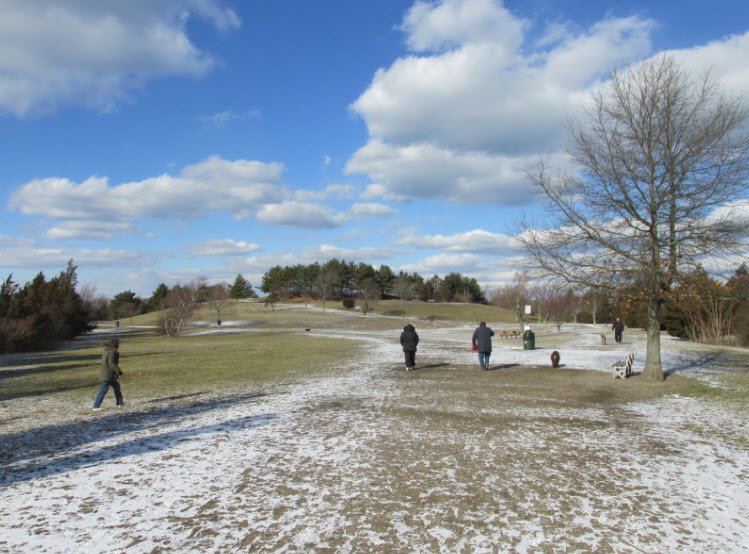
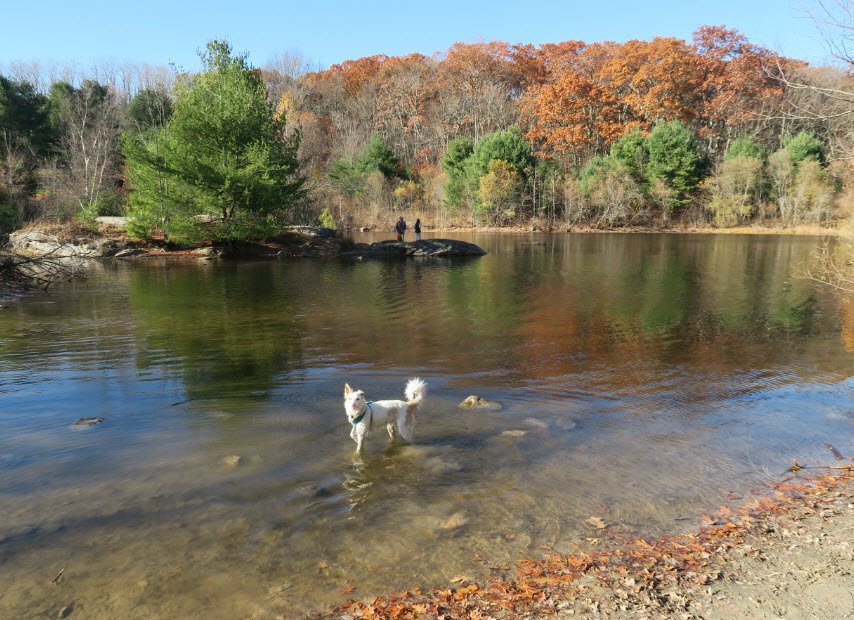
Callahan State Park covers 958 acres across Framingham, Marlborough, and Southborough in Massachusetts, featuring open fields, ponds, forests, and wetlands managed by the Department of Conservation and Recreation.