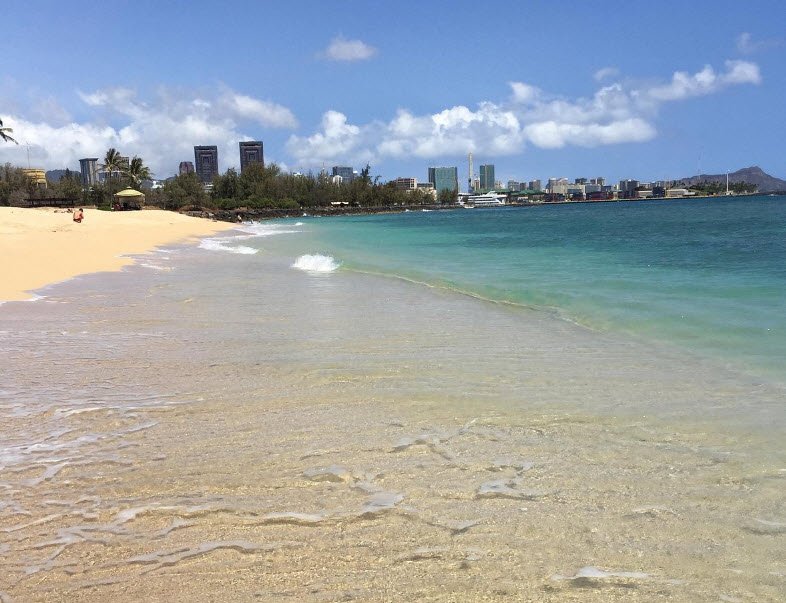
Hanauma Bay is a stunning marine embayment formed within a volcanic crater, located on the southeast coast of Oʻahu in the Hawaii Kai area near Honolulu.
The Kauaʻi Museum, located in Lihue, is a cultural and historical institution dedicated to preserving and sharing the rich heritage of the Hawaiian Islands of Kauaʻi and Niʻihau.
The Polynesian Cultural Center in Laie on Oahu is a living museum and cultural tourist attraction dedicated to preserving and showcasing the rich traditions of Polynesia.
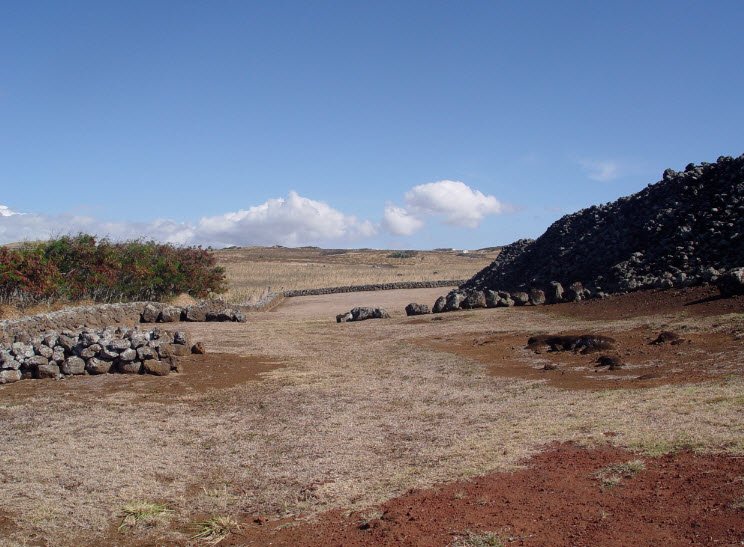
Mo'okini Heiau is an ancient Hawaiian temple and National Historic Landmark within Kohala Historical Sites State Monument at Hawaiʻi Island's northern tip near ʻUpolu Point, USA, dating back potentially 1,500 years to around AD 480 when high priest Kuamoʻo Moʻokini first built it.
Halekiʻi-Pihana Heiau State Monument is a 10-acre historic site on a high ridge near the ʻĪao Stream mouth in Wailuku, Maui, Hawaii, USA, preserving the ruins of two ancient luakini heiau war temples linked to powerful Hawaiian chiefs.
Bishop Museum, established in 1889 in Honolulu, Hawaii, is the largest museum in the state and a premier institution for natural and cultural history in the Pacific region.
The Island of Hawaiʻi, also known as the Big Island, is the largest and youngest of the Hawaiian Islands, covering over 4,000 square miles, which constitutes about 62% of the entire Hawaiian archipelago's land area.
Hanalei Bay, located on the north shore of Kauaʻi, Hawaii, is the largest bay on the island and features nearly two miles of soft, white sandy beaches set against a backdrop of lush, emerald mountains.
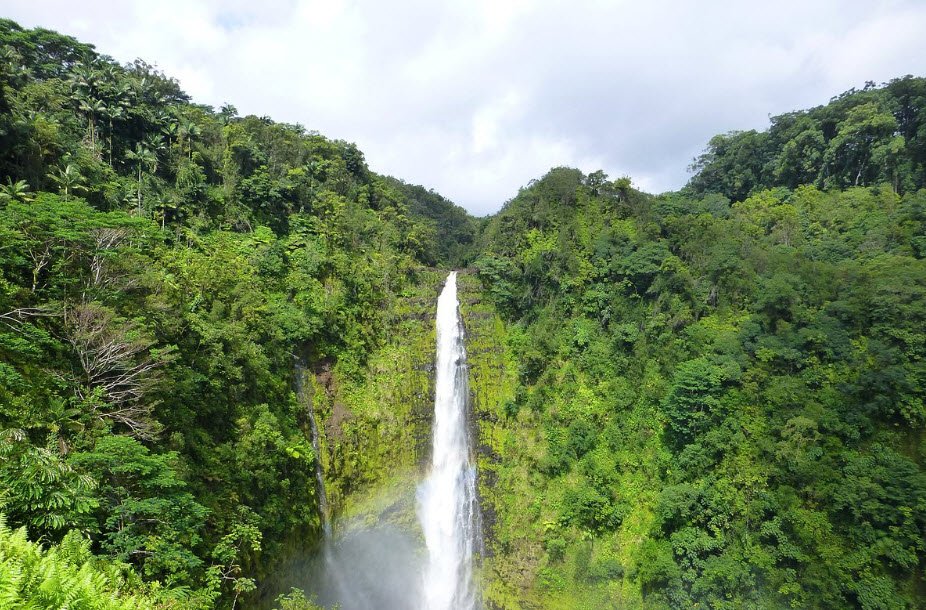
Akaka Falls State Park, located near Hilo on the Big Island of Hawaii, is famous for its stunning 442-foot waterfall that cascades dramatically into a gorge surrounded by lush tropical rainforest.
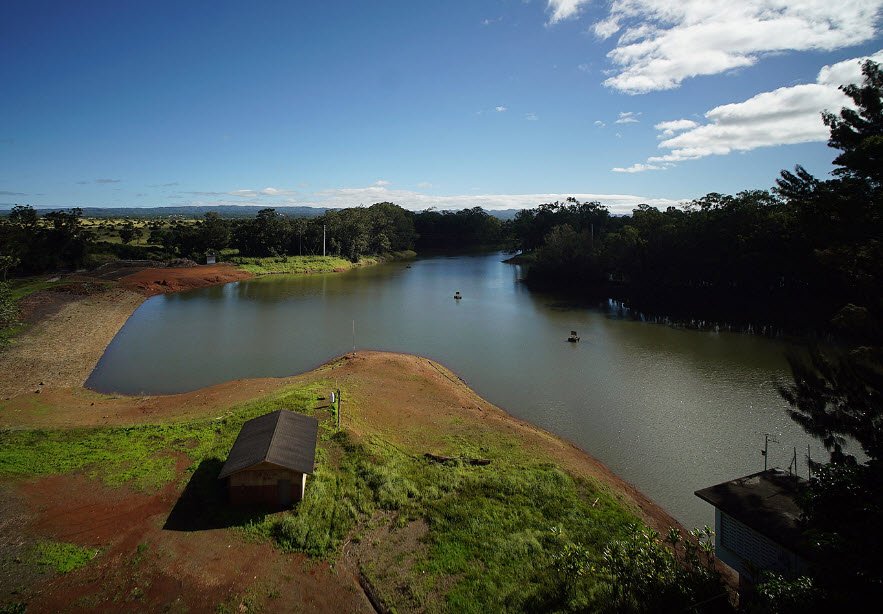
Wahiawā Freshwater State Recreation Area, located at 380 Walker Avenue along Lake Wilson (Wahiawā Reservoir) in central Oʻahu, offers shaded picnicking on grassy shores with picnic tables, restrooms, and ample parking for family outings amid wooded surroundings.
Ulupō Heiau State Historic Site in Kailua on Oʻahu's windward side is a massive ancient stone platform temple measuring 140 by 180 feet with walls up to 30 feet high, built by transporting rocks from distant sites like Kualoa over 10 miles away, showcasing the power of Oʻahu chiefs such as Kakuhihewa in the 1400s and Kualiʻi in the late 1600s.
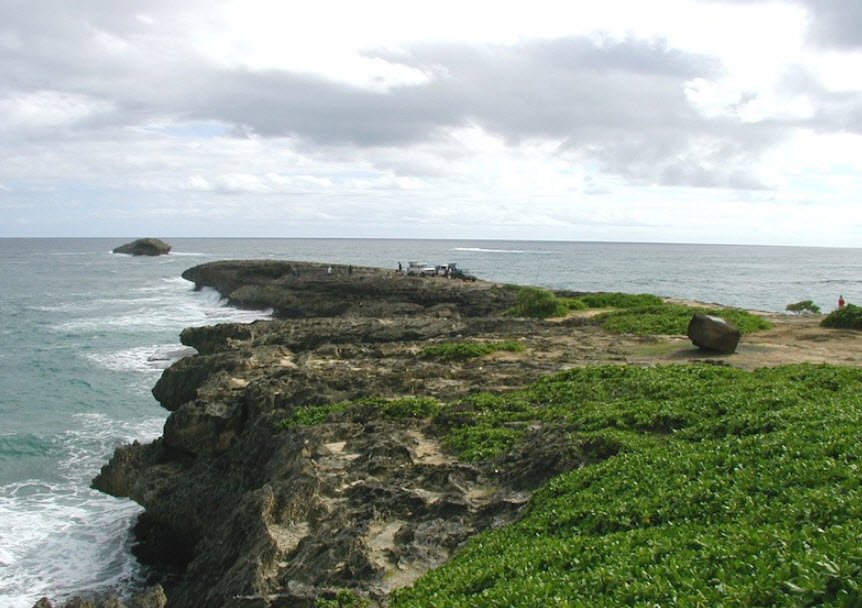
Lāʻie Point State Wayside is a small, scenic lookout on Oʻahu's northeast coast near Lāʻie, consisting of two parcels flanking a residential dead-end street with no facilities and very limited parking.
Sand Island State Recreation Area is a 14-acre urban coastal campground on Oʻahu near Honolulu Harbor, offering permit-only weekend shoreline camping amid industrial surroundings and airport flight paths.
Pālāʻau State Park spans 233 acres on Molokaʻi island in Hawaii, USA, serving as the island's only state park with lush ironwood groves and cultural landmarks like the sacred Phallic Rock (Ka Ule o Nanahoa), a six-foot fertility stone tied to ancient Hawaiian rituals.
The Battleship Missouri Memorial, located at Pearl Harbor in Hawaii, is famous as the site where the Japanese formally surrendered to the Allies on September 2, 1945, marking the end of World War II.
Mahana Beach, also known as Papakōlea Beach or the Green Sand Beach, is one of only four green sand beaches in the world and is located near South Point on the Big Island of Hawaii.
Kualoa Ranch on the island of Oʻahu has a rich history as a sacred place for ancient Hawaiians and is a family-owned property that spans about 4,000 acres today.
Nuʻuanu Pali is a steep cliff section on the windward side of the Koʻolau mountain range on Oʻahu, Hawaii, located about five miles northeast of downtown Honolulu.