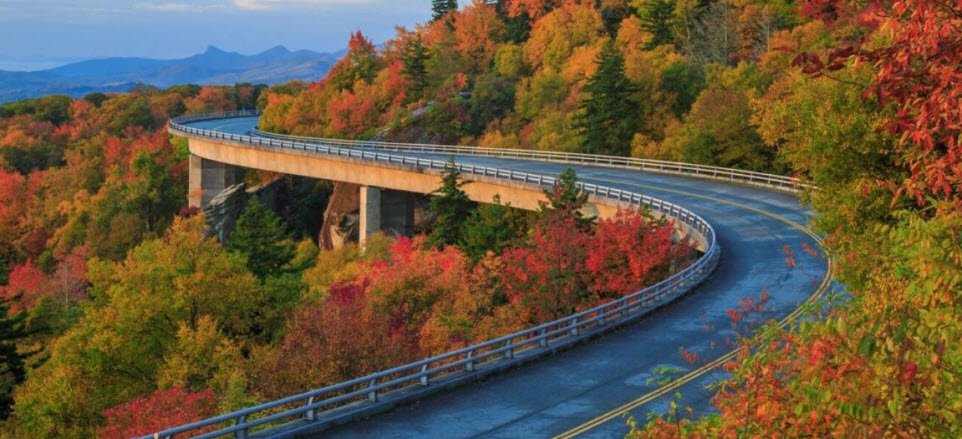
The Blue Ridge Parkway stretches 469 miles through the Appalachian Mountains of Virginia and North Carolina, linking Shenandoah National Park to Great Smoky Mountains National Park as the longest linear park in the U.S., designed for scenic drives with stunning vistas, forests, and overlooks.
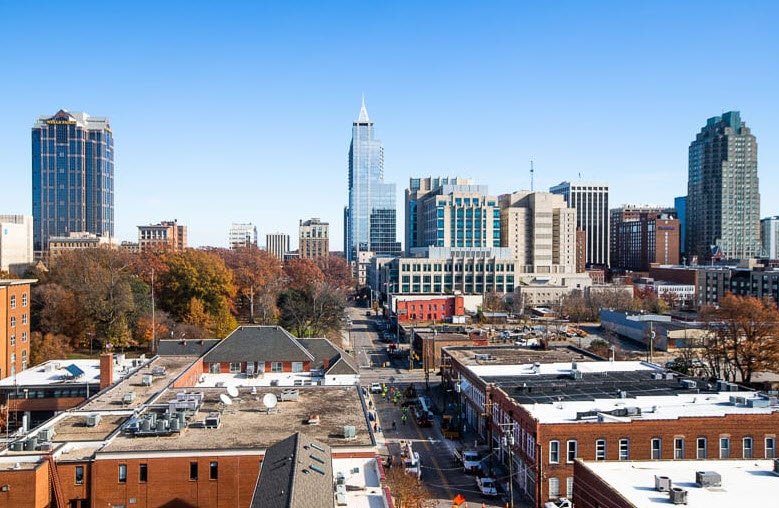
Raleigh, North Carolina, was founded in 1792 as a planned city to serve as the state capital, named after Sir Walter Raleigh, the sponsor of the Roanoke Colony.
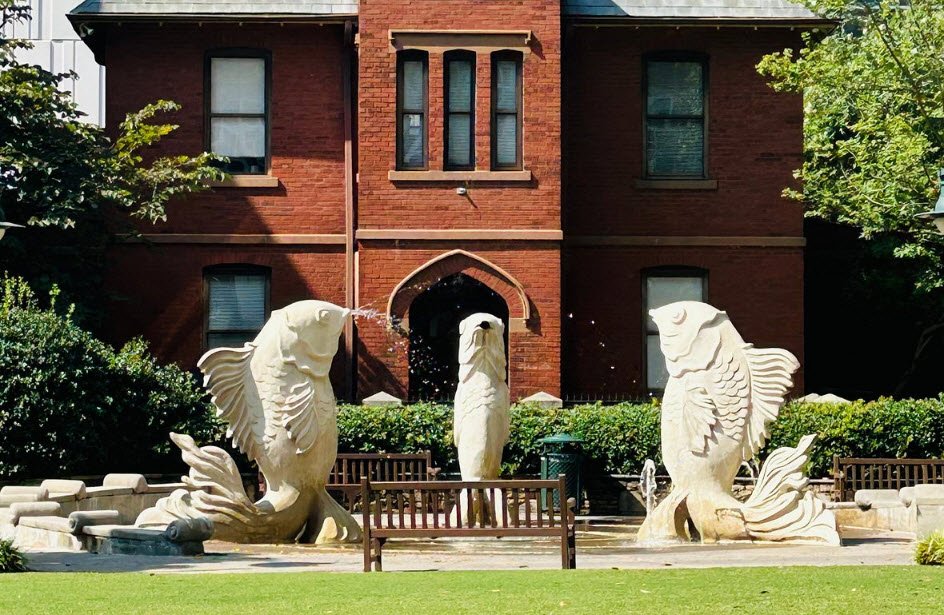
The Green in Durham, North Carolina, is a vibrant urban park located in the heart of downtown, created as part of community efforts to rejuvenate the old tobacco district and foster neighborhood revival.
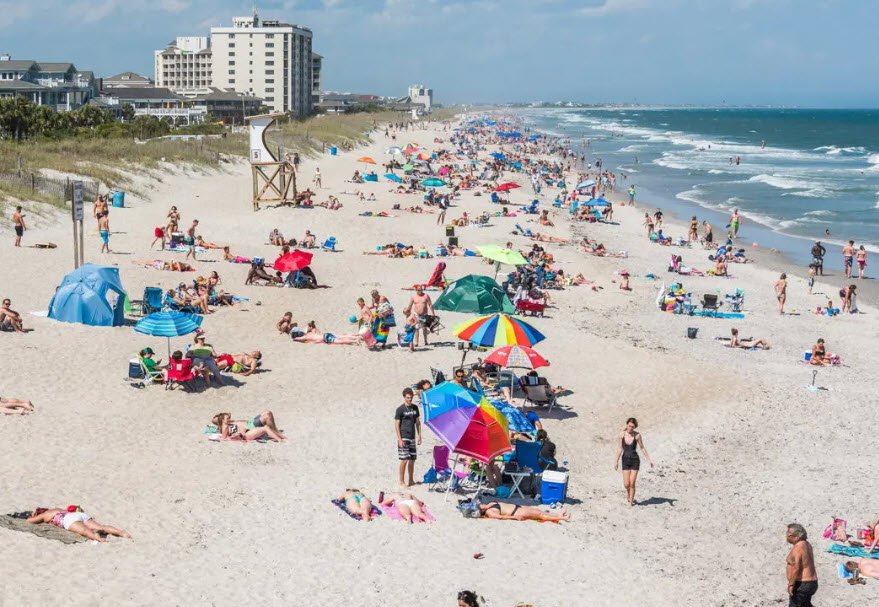
Wrightsville Beach is a small coastal town in New Hanover County, North Carolina, located just east of Wilmington along the Atlantic Ocean and Intracoastal Waterway, forming part of the Wilmington metropolitan area with a population around 2,500 that swells in summer.
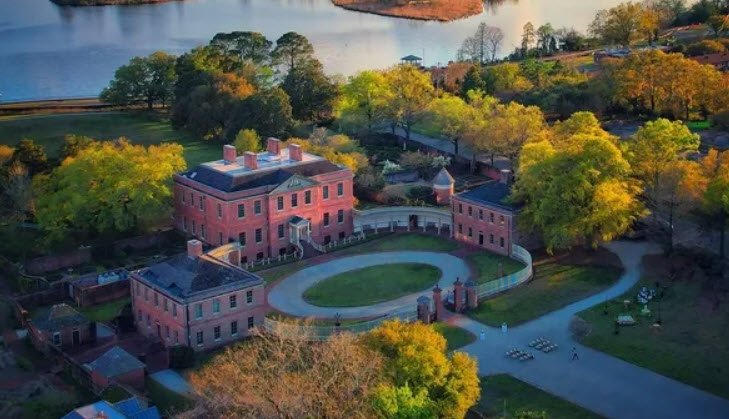
Tryon Palace in New Bern, North Carolina, is a meticulously reconstructed Georgian-style mansion that originally served as the British colonial governor's residence and North Carolina's first capitol from 1770 until the American Revolution, designed by architect John Hawks at the behest of Governor William Tryon amid controversy over its lavish £15,000 cost that fueled backcountry unrest like the War of the Regulation.
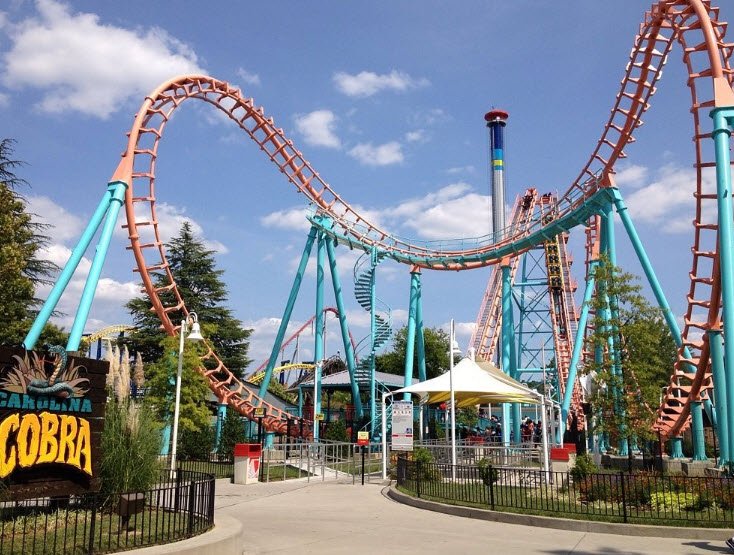
Carowinds is a large amusement and water park on the North Carolina–South Carolina state line, just south of Charlotte, known for its mix of big roller coasters, family rides, and seasonal events.
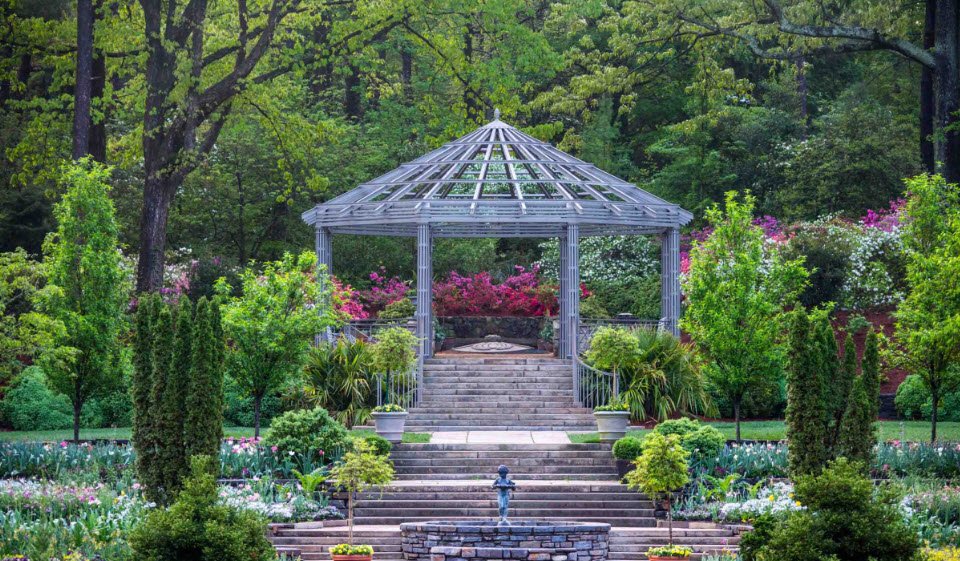
Sarah P. Duke Gardens, a 55-acre public botanical garden on Duke University's West Campus in Durham, North Carolina, features five miles of pathways winding through diverse areas like the Historic Core and Terraces with Italianate-style gardens designed by Ellen Biddle Shipman, the H.L. Blomquist Garden of Native Plants showcasing over 900 regional species, the W.L. Culberson Asiatic Arboretum with Japanese maples and bridges, and the Doris Duke Center Gardens including discovery zones for kids.
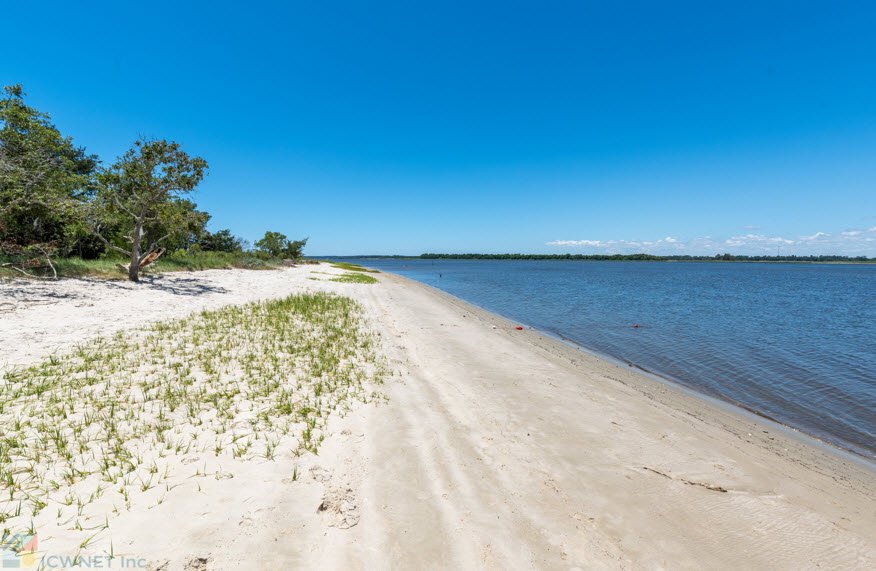
Bald Head Island in southeastern Brunswick County, North Carolina, is the southernmost of the state’s cape islands, situated at the confluence of the Cape Fear River and the Atlantic Ocean.
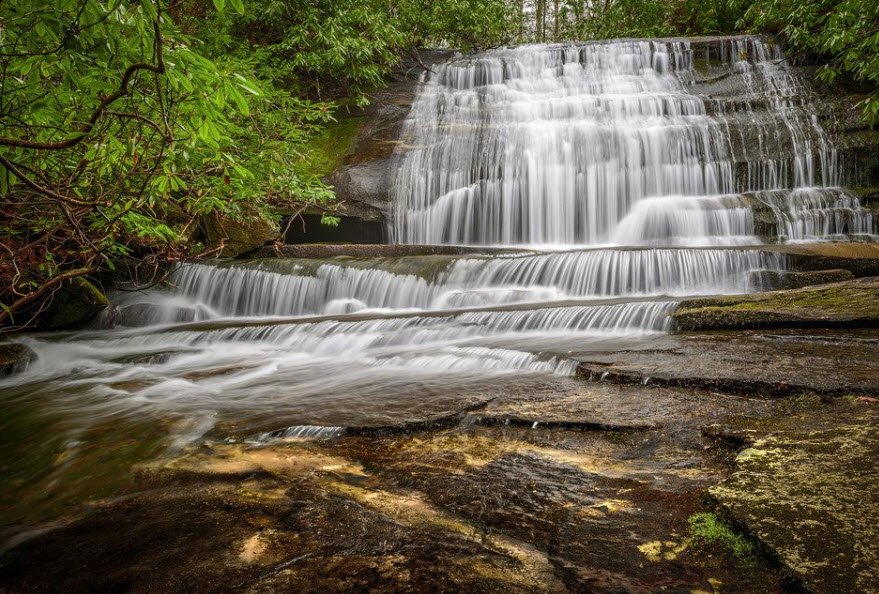
Pisgah National Forest spans over 500,000 acres across 15 western North Carolina counties in the Appalachian Mountains, administered by the U.S. Forest Service from Asheville headquarters and divided into three ranger districts—Pisgah, Appalachian, and Grandfather—for managing its rugged peaks over 6,000 feet, hardwood forests, whitewater rivers, and waterfalls.
Guilford Courthouse National Military Park in Greensboro, North Carolina, commemorates the March 15, 1781 battle during the Revolutionary War where American forces under General Nathanael Greene fought British troops led by General Cornwallis.
Cape Hatteras National Seashore stretches over 70 miles along North Carolina's Outer Banks from Bodie Island to Ocracoke Island, preserving pristine beaches, dunes, marshes, and woodlands as the nation's first national seashore established in 1953.
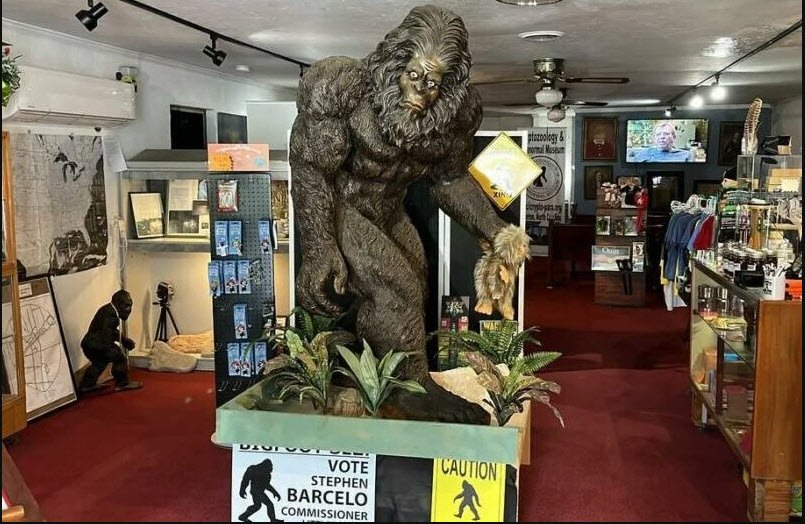
The Cryptozoology & Paranormal Museum in Littleton, North Carolina, is a quirky attraction dedicated to unexplained creatures like Bigfoot and paranormal phenomena, featuring Bigfoot footprint casts, haunted dolls, and ghost-hunting tools such as K-II meters for visitors to detect activity.
Jazz at the Bechtler is a monthly live jazz concert series held the first Friday of every month in the iconic lobby of the Bechtler Museum of Modern Art in uptown Charlotte, North Carolina, blending mid-century modern art with the evolution of jazz music through intimate performances by ensembles like the Ziad Jazz Quartet and guest artists such as Karen Briggs or Joe Gransden.
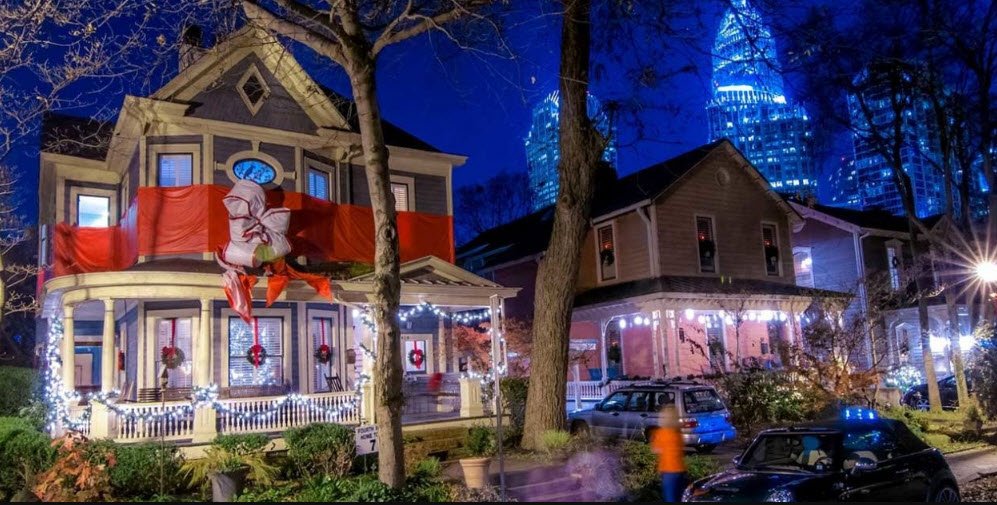
Fourth Ward in Charlotte, North Carolina, is the northwest quadrant of Uptown, originally established in the mid-1800s as one of four political wards centered around Trade and Tryon streets, serving as a prosperous residential area for merchants, ministers, physicians, and churches amid Victorian homes and early suburban growth spurred by trolleys.
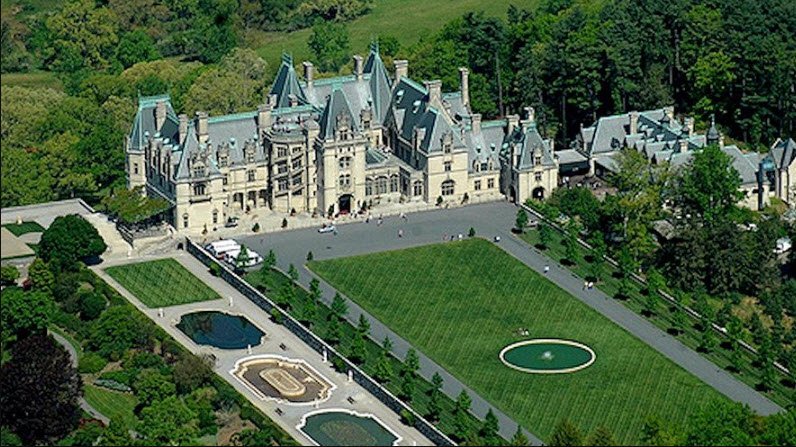
Biltmore Estate near Asheville, North Carolina, is America’s largest privately-owned home, built between 1889 and 1895 by George Washington Vanderbilt II as a grand French Renaissance-style chateau with 250 rooms, including 34 bedrooms, 43 bathrooms, 65 fireplaces, an indoor pool, and a vast library.
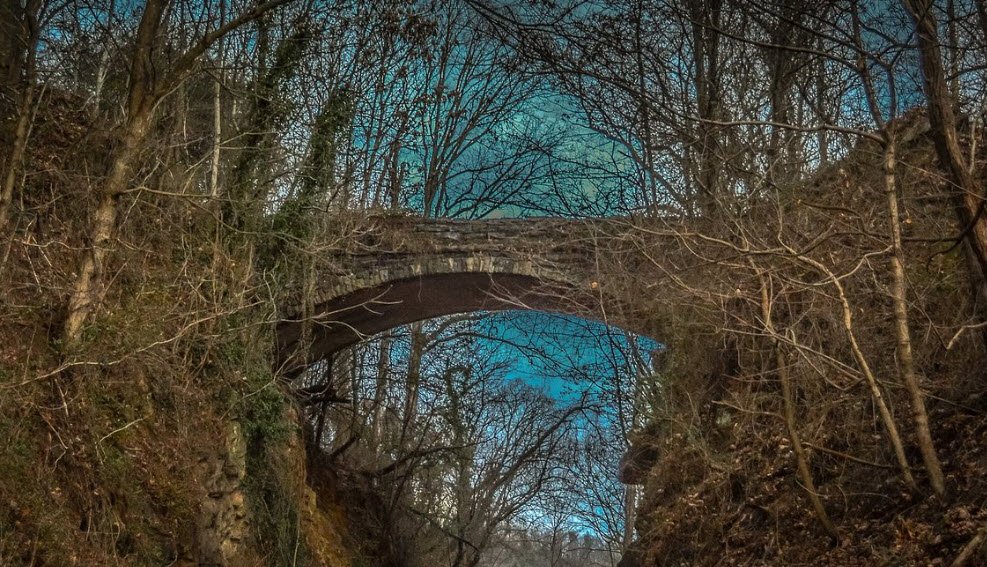
Zealandia's Bridge, also known as Helen's Bridge, is a historic quarried stone arch bridge built in 1909 at 201 Beaucatcher Road in Asheville, North Carolina, to provide carriage access to the grand Zealandia Mansion atop Beaucatcher Mountain.
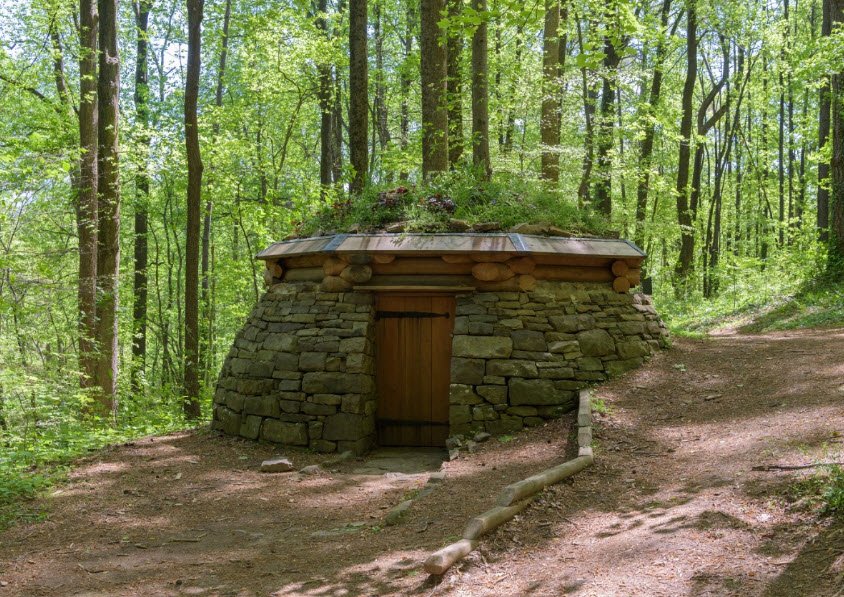
Cloud Chamber for the Trees and Sky in Raleigh, North Carolina, is a unique outdoor art installation created by British artist Chris Drury in 2003, located in a wooded area of the North Carolina Museum of Art's Ann and Jim Goodnight Museum Park.
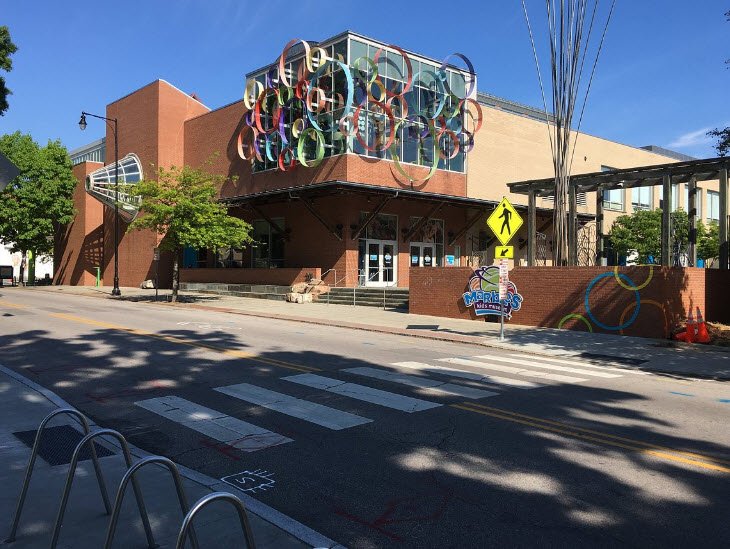
Marbles Kids Museum in Raleigh, North Carolina, is a nonprofit children's museum designed for kids up to age 10 that inspires creativity, discovery, and learning through play.