Rock Bridge Memorial State Park, located just south of Columbia, Missouri, covers over 2,200 acres and is renowned for its unique geological features such as the natural rock bridge formed by a cave collapse, numerous sinkholes, springs, and an extensive cave system including the Devil's Icebox cave.
Forest Park in St. Louis, Missouri, is a vast urban park covering approximately 1,300 acres, making it larger than New York City's Central Park by about 500 acres.
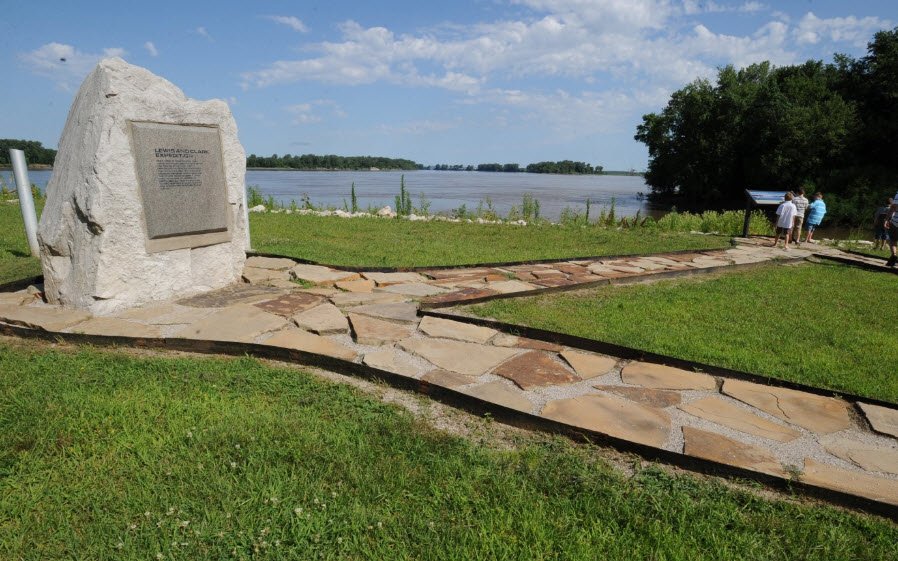
Edward Ted and Pat Jones-Confluence Point State Park in Missouri sits at the dramatic meeting point of the Mississippi and Missouri rivers, offering 1,121 acres of restored floodplain forests, wetlands, and prairies that echo the landscape Lewis and Clark saw in 1804 when they launched their famous expedition from there.
Watkins Woolen Mill State Park and State Historic Site in Missouri preserves a thriving 19th-century plantation and woolen mill near Lawson in Clay County, where Waltus Watkins built a self-sufficient operation starting in 1839 with a brick home, three-story mill powered by a steam engine, gristmill, sawmills, blacksmith shop, barns, and worker housing.
The Jefferson Barracks Telephone Museum in St. Louis County, Missouri, is housed in a beautifully restored 1896 building within the historic Jefferson Barracks Park.
The Ulysses S. Grant National Historic Site in Missouri, also known as White Haven, preserves the home and plantation where Ulysses S. Grant lived with his wife Julia Dent from 1854 to 1859.
Roger Pryor Pioneer Backcountry in Missouri encompasses 60,000 acres of vast, undeveloped Ozark wilderness in Shannon County north of the Current River, forming Missouri's largest contiguous private forest block owned by the L-A-D Foundation and dedicated to primitive dispersed recreation since 2001 in honor of conservation advocate Roger Pryor.
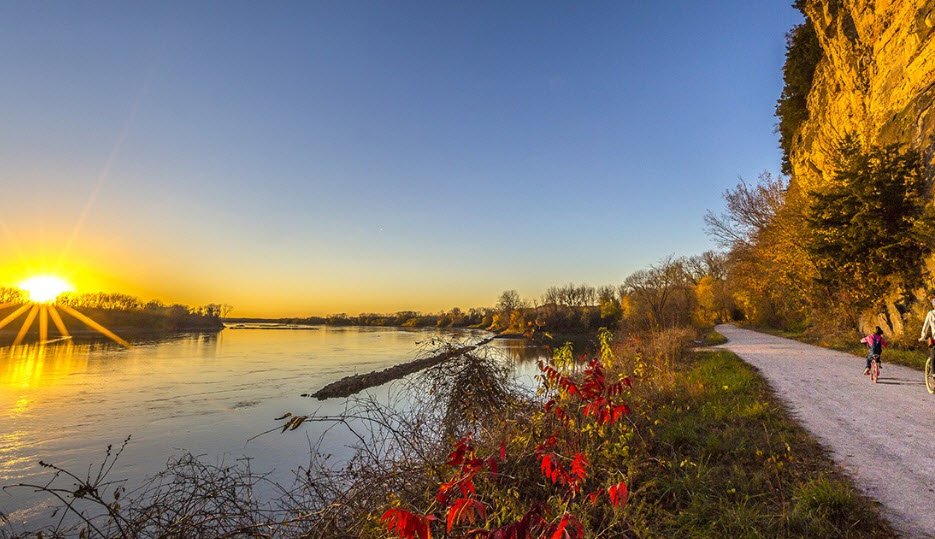
Katy Trail State Park in Missouri stretches 240 miles across the state from Machens near St. Louis to Clinton near Kansas City, built on the former Missouri-Kansas-Texas Railroad corridor and recognized as America's longest continuous rail-trail.
The Titanic Museum Attraction in Branson, Missouri, is a life-sized, half-scale replica of the RMS Titanic that opened in 2006 and honors the ship, passengers, and crew through immersive exhibits and more than 400 authentic artifacts.
Stockton State Park in Missouri covers 2,176 acres on a peninsula between the Big Sac and Little Sac arms of the 25,000-acre Stockton Lake, located nine miles south of Stockton in Cedar County and created by a U.S. Army Corps of Engineers dam on the Sac River in 1969.
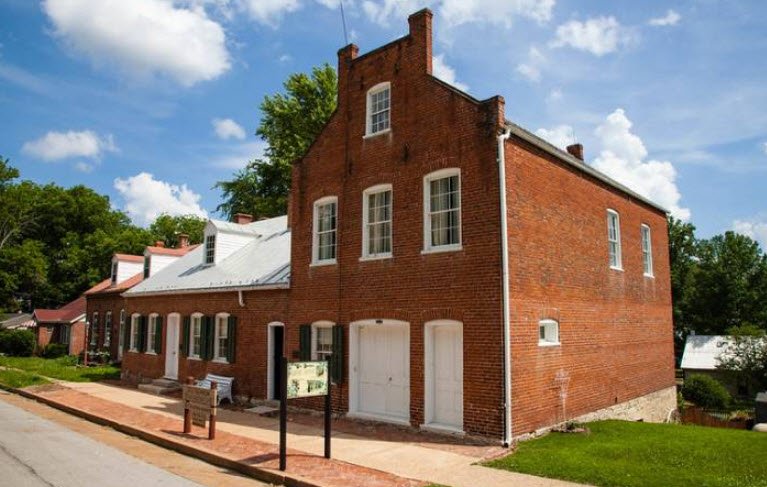
Deutschheim State Historic Site in Hermann, Missouri, preserves two restored 19th-century homes—the Carl Strehly House (built 1842) and Pommer-Gentner House (built 1840)—showcasing the daily lives, furnishings, tools, and traditions of mid-1800s German immigrants who founded the town as a refuge from political unrest in Europe.
Mark Twain Birthplace State Historic Site in Missouri preserves the modest two-room log cabin near Florida where Samuel Langhorne Clemens—better known as Mark Twain—was born on November 30, 1835, now housed within a modern museum building in Mark Twain State Park off Route 107.
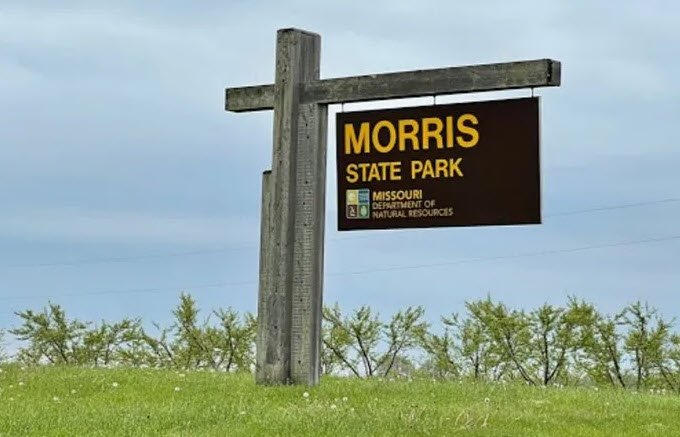
Morris State Park in Missouri covers 161 acres in Dunklin County near Campbell, preserving a striking section of Crowley's Ridge—a rare geologic formation of low hills rising up to 250 feet above the flat Mississippi River floodplain in the Bootheel region, formed by ancient sediments from the Ozarks and ice age deposits.
Gateway Arch National Park in St. Louis, Missouri, was established in 1935 as the Jefferson National Expansion Memorial to commemorate Thomas Jefferson’s Louisiana Purchase, westward expansion, and the historic Dred Scott case.
Thousand Hills State Park in Missouri covers over 3,000 acres two miles west of Kirksville in Adair County, centered on 573-acre Forest Lake amid gently rolling hills, woody shores, broad savannas, and woodlands that evoke northern Missouri's less-developed past.