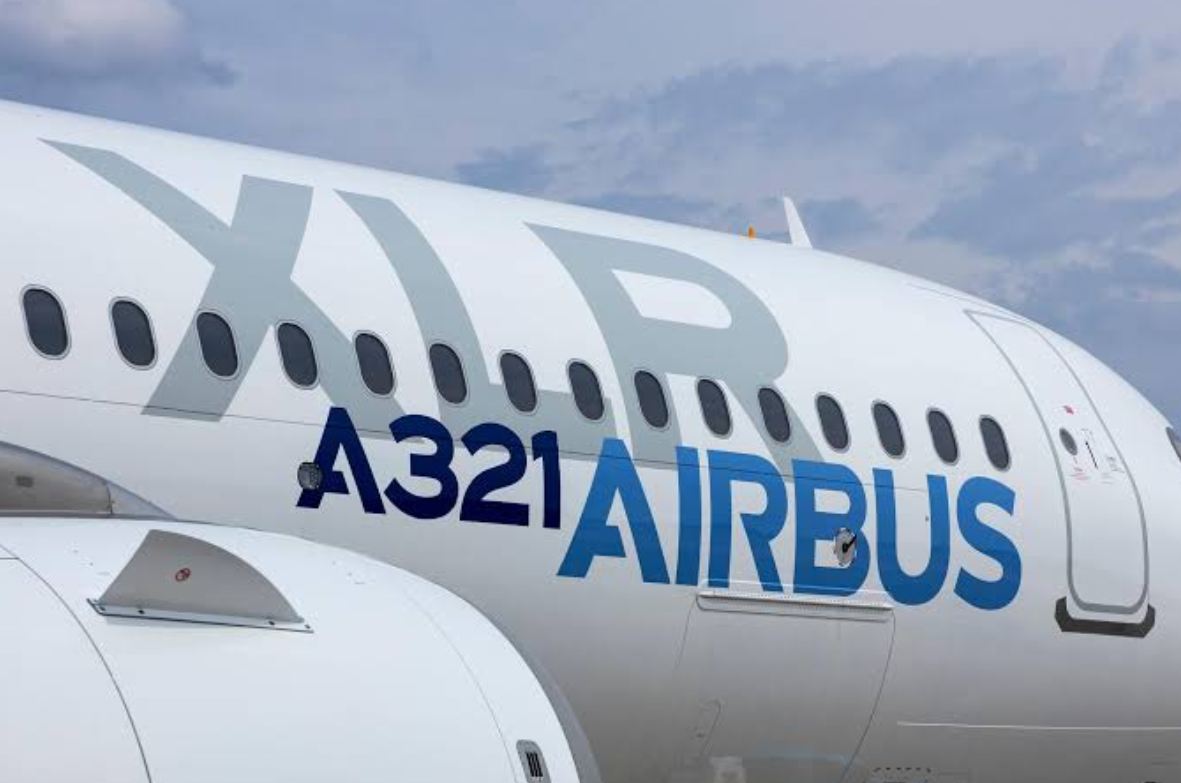
The aviation industry is changing rapidly, and American Airlines is making a strategic bet on aircraft that can do more with less. While the carrier continues to wait for its future Boeing 737 MAX 10 deliveries, Airbus aircraft are taking center stage in the airline's expansion plans. Recent fleet growth highlights how the Airbus A321neo and the newer A321XLR are shaping the future of American Airlines.
American Airlines has expanded its Airbus A321neo fleet to 90 aircraft, making it one of the most important aircraft types in the airline's narrowbody fleet. More deliveries are still expected, including additional A321neos and long-range A321XLRs over the next few years.
This growth comes at a time when airlines worldwide are looking for fuel-efficient aircraft that can lower operating costs while providing flexibility across different routes. The A321neo has proven to be a reliable choice, offering lower fuel consumption and modern passenger amenities compared to older aircraft.
The real star of American Airlines' strategy may be the Airbus A321XLR.
Unlike traditional narrowbody aircraft, the A321XLR is designed to fly much farther distances. Its extended range allows airlines to operate transatlantic routes that were previously only possible with larger widebody aircraft.
This creates several advantages:
For American Airlines, this means it can connect more cities in North America directly with destinations in Europe without needing to fill hundreds of seats on a larger aircraft.
Interestingly, American Airlines' A321XLR will carry significantly fewer passengers than its standard A321neo. The airline's A321neo configuration seats 196 passengers, while the A321XLR will accommodate approximately 155 passengers.
At first glance, reducing capacity may seem unusual. However, the decision reflects a focus on premium travel.
The A321XLR will feature:
American's strategy shows that profitability is often driven more by premium passengers than by simply adding more seats.
American Airlines still has substantial Boeing orders on the books, including a large number of Boeing 737 MAX 10 aircraft. However, the airline does not expect to receive its first MAX 10 deliveries until around 2029 or later.
These delays have increased the importance of Airbus aircraft in American's near-term growth plans.
While Boeing remains a critical partner, the current situation demonstrates how delivery schedules can significantly influence airline fleet strategies. Aircraft that are available today often become more valuable than aircraft promised years into the future.
Passengers are likely to see the benefits of this fleet strategy in the coming years.
American Airlines will gain the ability to:
For travelers, that could mean more direct flights, fewer connections, and improved onboard experiences, particularly on long-haul routes.
Final Thoughts
American Airlines' growing Airbus fleet highlights a broader shift in the aviation industry. Airlines are increasingly looking for aircraft that combine fuel efficiency, operational flexibility, and long-range capabilities. The Airbus A321XLR checks all those boxes.
While Boeing's 737 MAX 10 remains part of American's long-term plans, Airbus is currently driving much of the airline's fleet expansion. As new A321XLR aircraft enter service, they are expected to play a crucial role in connecting cities, expanding international networks, and reshaping how airlines approach long-haul travel.






















Explore the USA's most iconic attractions, from historic landmarks to breathtaking natural wonders.