North Platte National Wildlife Refuge – Lake Alice Unit is a protected wetland and lake area in the Nebraska Panhandle near Scottsbluff, part of a larger refuge system established in 1916 to conserve native birds and wildlife along the North Platte River.
Ashfall Fossil Beds State Historical Park in Nebraska is a unique paleontological site preserving an ancient watering hole where volcanic ash from a Yellowstone hotspot eruption about 12 million years ago buried and fossilized numerous prehistoric mammals.
Homestead National Historical Park in Nebraska commemorates the settlement of the Great Plains through the Homestead Act of 1862, which provided 160 acres of free land to settlers willing to live on and cultivate it.
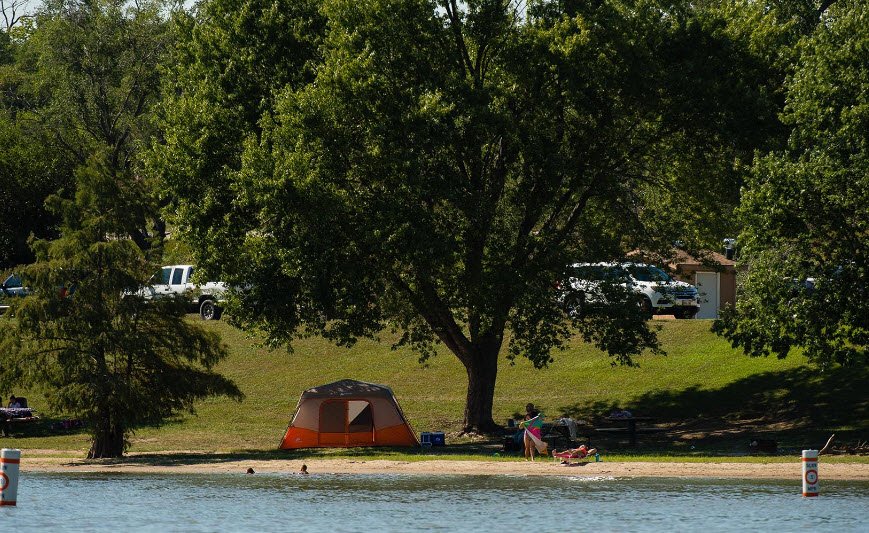
Bluestem State Recreation Area is a 742-acre park located about 20 miles southwest of Lincoln, Nebraska, near Martell, centered on a 325-acre lake perfect for fishing largemouth bass, bluegill, catfish, walleye, and crappie.
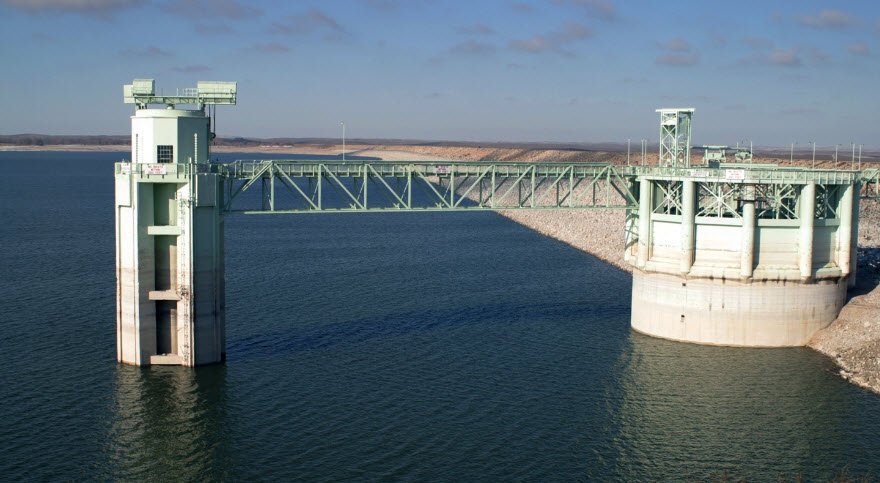
Lake McConaughy, Nebraska's largest reservoir nicknamed Big Mac, was formed by the massive Kingsley Dam on the North Platte River between 1936 and 1941 as part of a hydro-irrigation project by the Central Nebraska Public Power and Irrigation District.
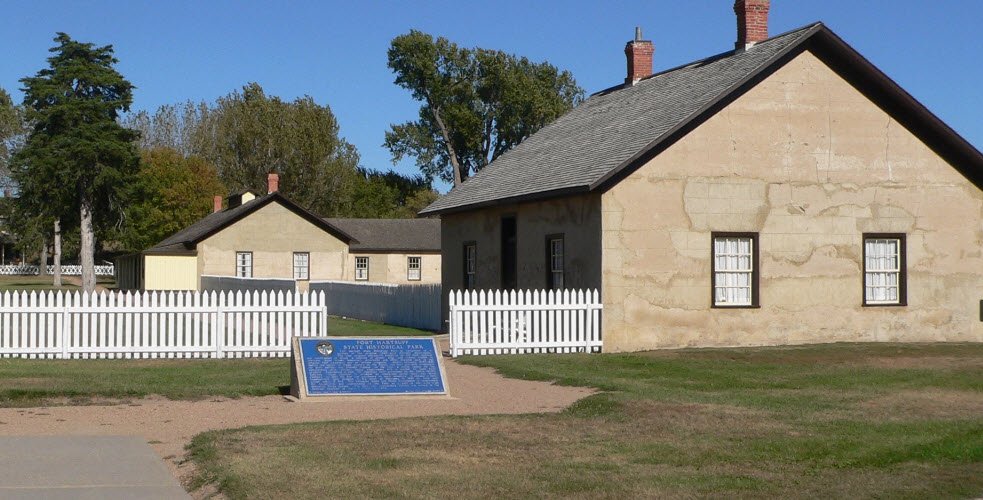
Fort Hartsuff State Historical Park near Elyria, Nebraska, preserves a frontier military outpost active from 1874 to 1881 during the Plains Indian Wars, built to protect settlers and the Pawnee Tribe from Lakota Sioux raids in the North Loup River Valley.
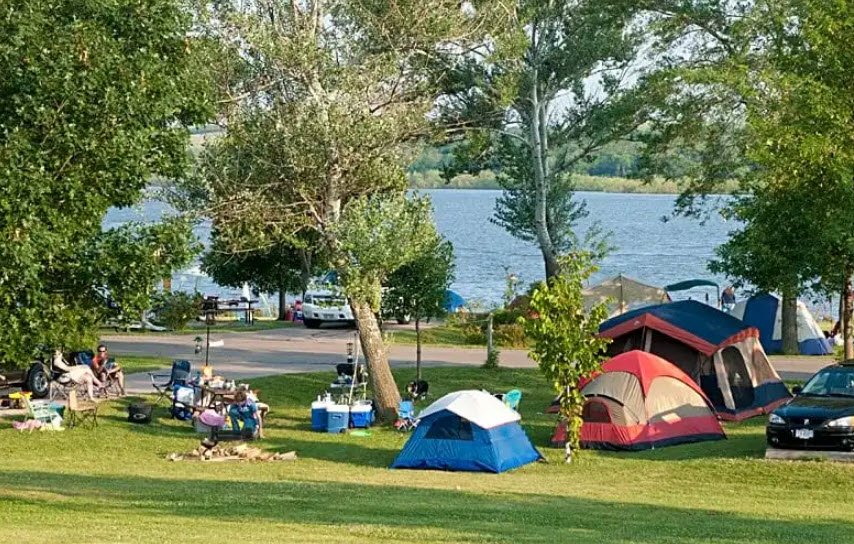
Branched Oak State Recreation Area lies 2.5 miles north of Malcolm in Lancaster County, Nebraska, northwest of Lincoln, encompassing 5,595 acres around the largest lake in eastern Nebraska at 1,800 acres.
The Crane Trust Nature and Visitor Center in Nebraska is a nonprofit conservation site located near Wood River, dedicated to protecting and preserving nearly 10,000 acres of critical habitat along the Platte River for endangered and migratory birds, especially the Sandhill Cranes and Whooping Cranes.
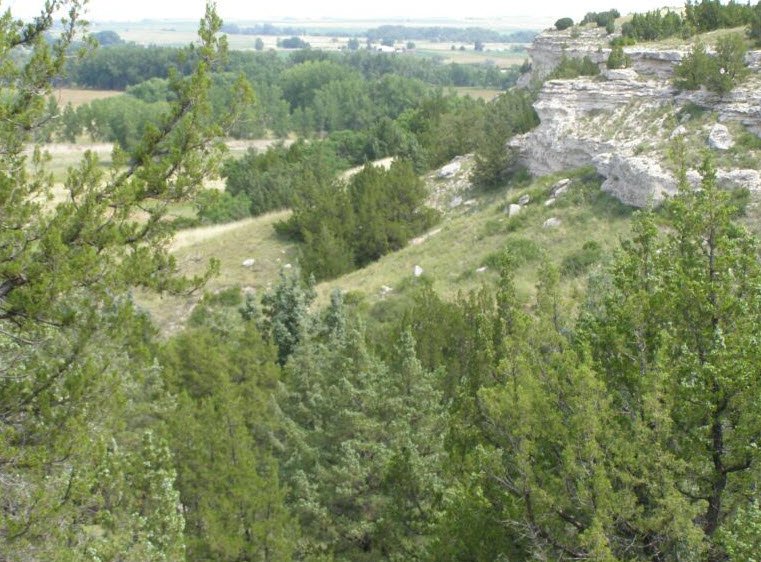
Ash Hollow State Historical Park, near Lewellen, Nebraska, is a 1,000‑acre site that preserves a deep, scenic canyon once used by prehistoric Native peoples, 19th‑century Indian groups, and later travelers on the Oregon, California, and Mormon Trails.
Agate Fossil Beds National Monument in Nebraska is a vital paleontological and cultural site known for its exceptionally well-preserved Miocene-era mammal fossils dating back around 20 million years.
Indian Cave State Park in Nebraska covers over 3,000 acres along the Missouri River and features a large sandstone cave with ancient Native American petroglyphs of uncertain age.
Buffalo Bill Ranch State Historical Park Museum in Nebraska, known as Scout's Rest Ranch, was the home of William F. Buffalo Bill Cody from 1886 to 1913.
Pioneer Courage Park in downtown Omaha, Nebraska, is an expansive outdoor sculpture park spanning six city blocks and features over 100 bronze and stainless steel statues depicting scenes from the westward pioneer journey.
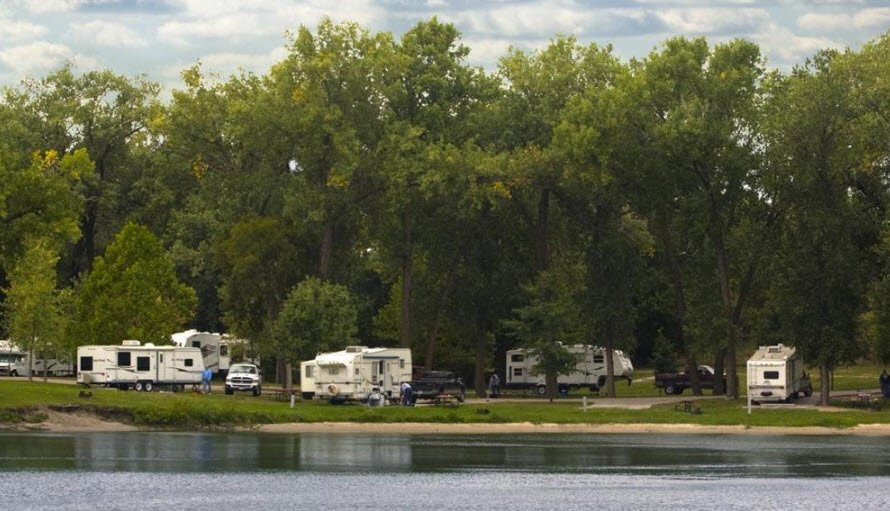
Fremont State Recreation Area, also known as Fremont Lakes SRA, is a popular 40-acre land and nearly 300-acre water recreation spot in eastern Nebraska, about three miles west of Fremont via Platte River Road and County Road 19.
Dead Timber State Recreation Area is a peaceful 200-acre spot north of Scribner in Dodge County, Nebraska, featuring a 50-acre oxbow lake along the Elkhorn River bluffs with grasslands and wooded areas.
Ponca State Park is a roughly 2,100‑acre park on the Missouri River bluffs about four miles north of the town of Ponca in northeastern Nebraska, serving as the eastern gateway to the Missouri National Recreational River.
The Nebraska State Capitol in Lincoln, completed between 1922 and 1932, is a striking building designed by New York architect Bertram Grosvenor Goodhue.