Trapped Puzzle Rooms in Minnesota is an escape room center with locations in Minneapolis and St. Paul featuring multiple themed puzzle rooms designed to challenge teamwork and problem-solving skills.
William O'Brien State Park in east-central Minnesota near Marine on St. Croix covers 1,520 acres along the St. Croix River, featuring rolling glacial moraines, restored oak savannas, riparian zones, maple-basswood forests, bogs, and Lake Alice for swimming.
Minneopa State Park, Minnesota's third-oldest state park established in 1905, sits three miles west of Mankato along the Minnesota River, preserving the region's largest waterfalls where Minneopa Creek drops nearly 50 feet in two tiers into a sandstone gorge.
Black Bear Casino Resort in Carlton, Minnesota, is a comprehensive gaming and leisure destination owned by the Fond du Lac Band of Lake Superior Chippewa, located at the intersection of I-35 and Highway 210, about 20 minutes south of Duluth.
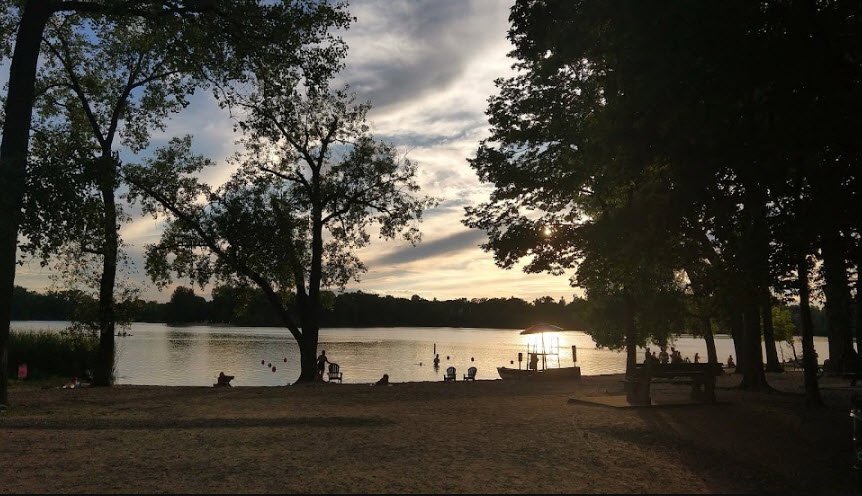
Cedar Lake East Beach, located in Minneapolis, Minnesota, is a serene urban beach on the east side of Cedar Lake, known locally as Hidden Beach because of its once-secluded location reached by narrow forested paths.
Great River Bluffs State Park spans 2,835 acres in Winona County, Minnesota, southeast of Winona along the Mississippi River, featuring steep limestone bluffs rising 500 feet above the valley with King's and Queen's Bluff Scientific and Natural Areas protecting rare plant communities like goat prairies.
Glacial Lakes State Park occupies nearly 2,500 acres in Pope County, Minnesota, about 5 miles south of Starbuck amid the rolling Leaf Mountains where prairie meets hardwood forests.
The Minneapolis Sculpture Garden is an 11-acre urban park adjacent to the Walker Art Center, featuring over 40 permanent and temporary modern sculptures.
Judge C.R. Magney State Park spans 4,643 acres along Lake Superior's North Shore in Cook County, Minnesota, about 14 miles northeast of Grand Marais on Highway 61, where the Brule River drops 800 feet through rapids and waterfalls before emptying into the lake.
Blue Mounds State Park in southwestern Minnesota near Luverne spans over 1,500 acres of tallgrass prairie, featuring a striking 100-foot Sioux quartzite cliff that rises dramatically from the plains and dates back nearly two billion years.
The Stone Arch Bridge in Minneapolis, Minnesota, was built in 1883 by railroad tycoon James J. Hill to carry trains across the Mississippi River as part of the Great Northern Railway and played an essential role in the city's growth as a milling and industrial center.
Cuyuna Country State Recreation Area in central Minnesota near Crosby and Ironton transforms former iron ore mining pits from the early 1900s into a 5,000-acre outdoor haven with crystal-clear mine lakes up to 525 feet deep, regenerated forests, and over 70 miles of world-class singletrack mountain bike trails for all skill levels.
Bauhaus Brew Labs in Minneapolis, Minnesota, is a craft brewery inspired by the Bauhaus art school's philosophy of combining art and craft into everyday life.
Black Beach in Silver Bay, Minnesota, is a unique lakeside destination on the shore of Lake Superior known for its distinctive black sand, a rare feature in the region.
Big Bog State Recreation Area Southern Unit in northern Minnesota near Waskish on Highway 72 serves as the main gateway to the park's 9,459 acres, including proximity to Upper Red Lake and the Tamarac River amid the largest peat bog in the lower 48 states.
Temperance River State Park sits on Minnesota's North Shore between Schroeder and Tofte along Highway 61, where the Temperance River carves dramatic gorges, potholes, and three scenic waterfalls through billion-year-old bedrock before meeting Lake Superior in a unique bar-less lagoon.
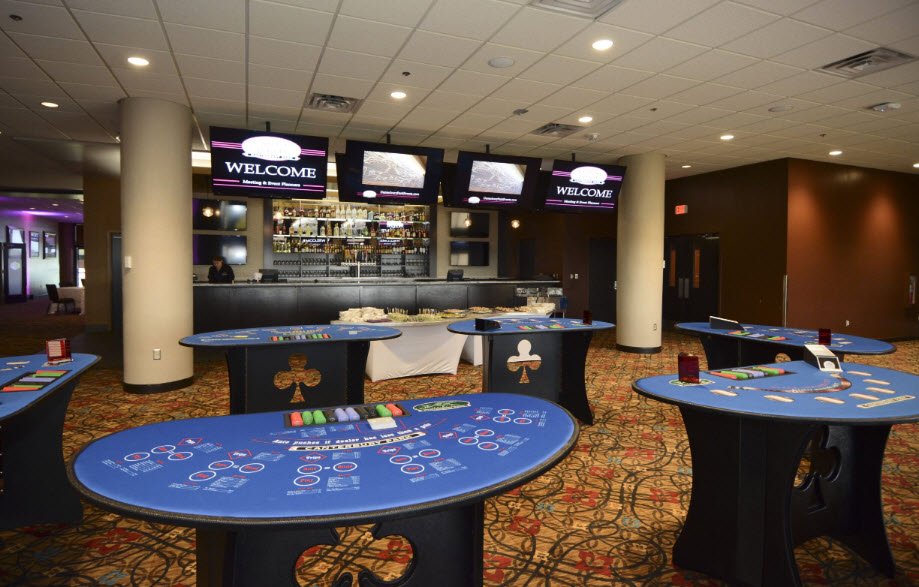
Canterbury Park in Shakopee, Minnesota is a vibrant entertainment destination known for its live horse racing, including thoroughbred and quarter horse events, alongside a 24/7 card casino featuring games such as blackjack, baccarat, Ultimate Texas Hold 'Em, and poker.
The Wabasha Street Caves in St. Paul, Minnesota, are a series of manmade sandstone caves carved into the Mississippi River bluff, with origins dating back to the 1800s when the area was mined for silica sand.