The Country Music Hall of Fame and Museum in Nashville, Tennessee, opened in 1967 as a tribute to preserving and celebrating the history of country music.
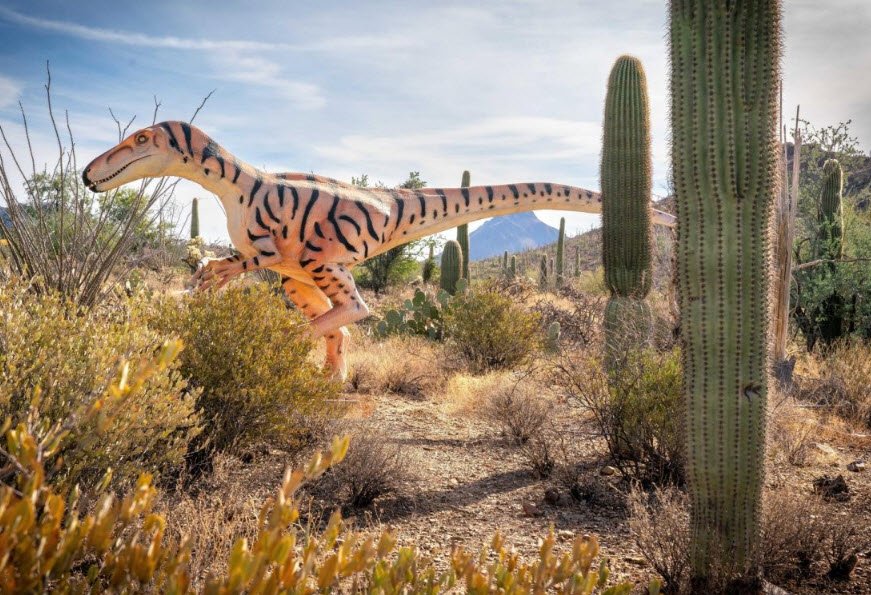
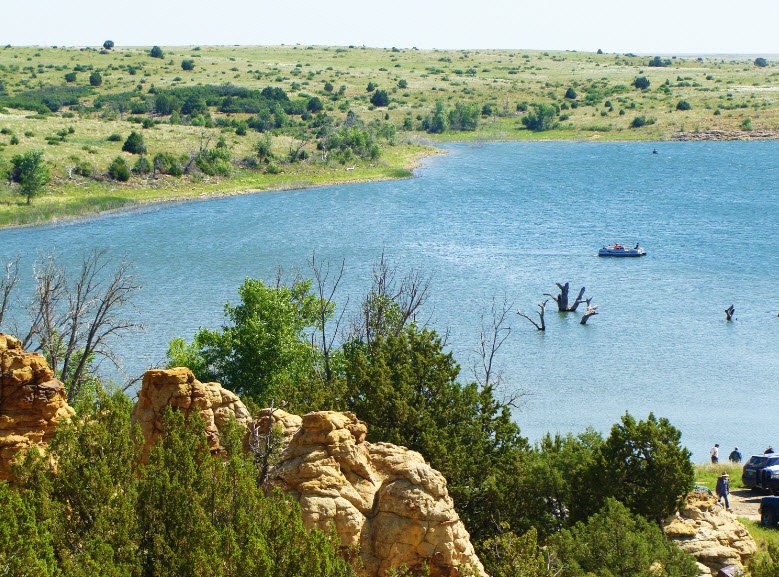
Clayton Lake State Park and Dinosaur Trackways spans 170 acres 15 miles north of Clayton in northeastern New Mexico's rolling grasslands near the borders with Colorado, Oklahoma, and Texas, accessed via NM-455.
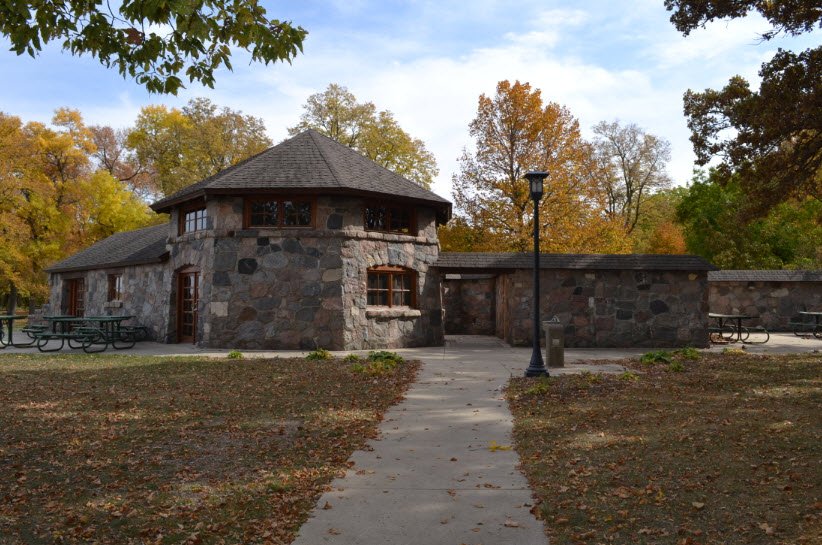
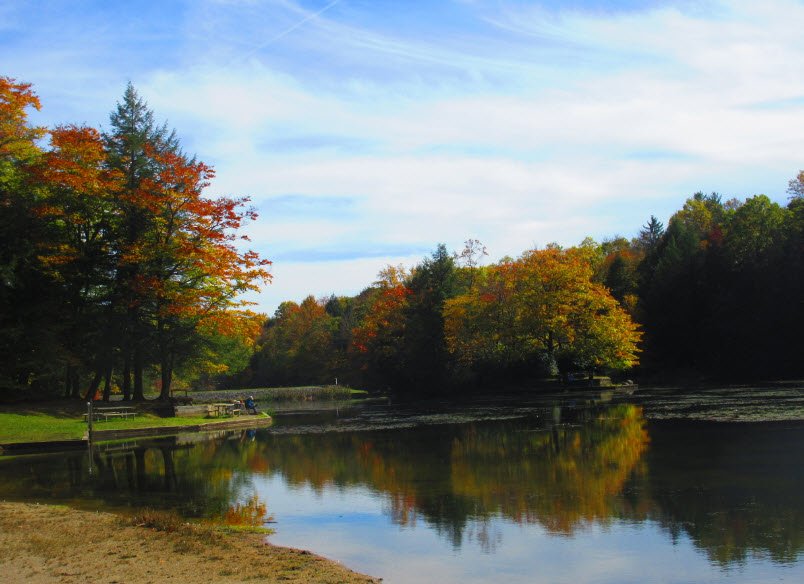
Beeds Lake State Park spans 319 acres northwest of Hampton in Franklin County, Iowa, USA, encircling a scenic 99-acre reservoir created in the 1930s by the Civilian Conservation Corps on the site of an old mill pond.
The Seattle Waterfront is a vibrant neighborhood along Elliott Bay that historically served as the city’s maritime and industrial hub, beginning with early European settlement and development in the mid-19th century.
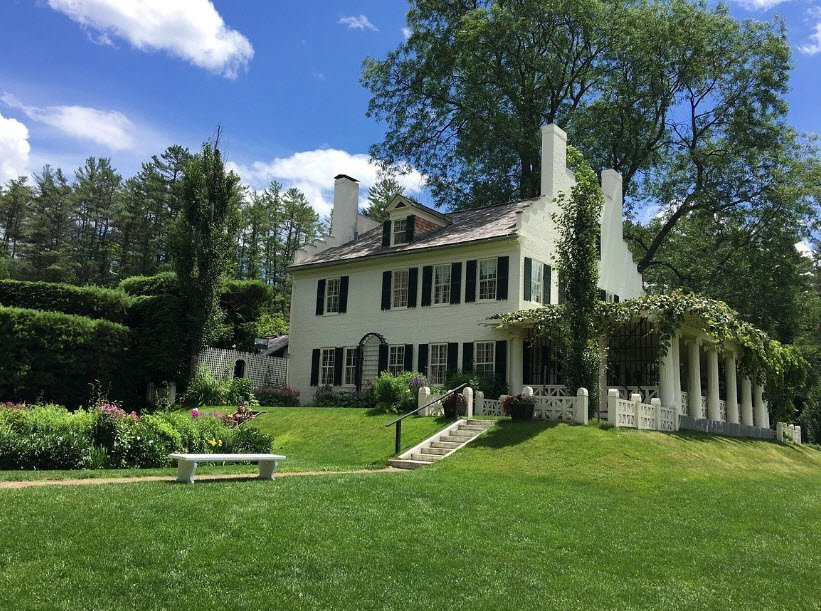
Glensheen Mansion in Duluth, Minnesota, was built between 1905 and 1908 as the family home of Chester and Clara Congdon, influential figures in the iron mining industry on the Mesabi Iron Range.
The Galveston Island Historic Pleasure Pier in Texas is a modern amusement park built on the site of the original Pleasure Pier, which operated from the 1940s until it was destroyed by Hurricane Carla in 1961.
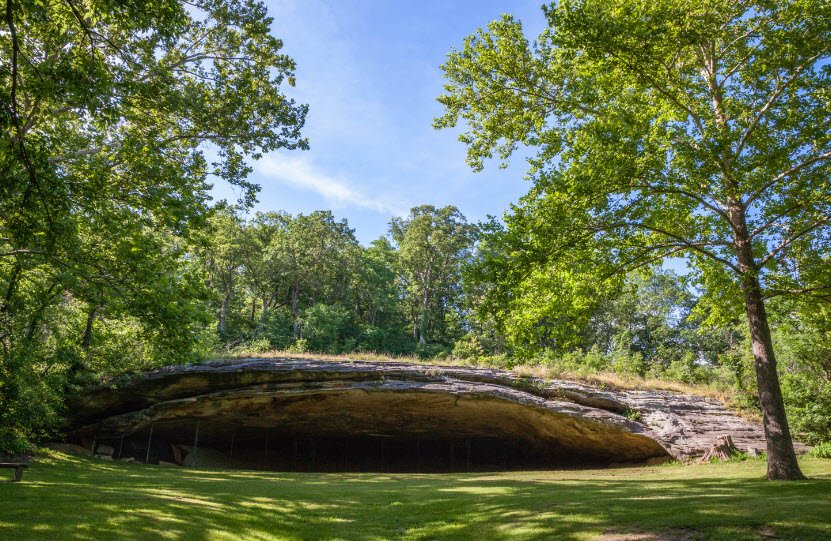
Graham Cave State Park in Missouri covers 386 acres in Montgomery County near I-70, centered around its namesake Graham Cave—a massive sandstone shelter with a 120-foot-wide, 60-foot-high entrance used by Native American hunter-gatherers as early as 10,000 years ago, where archaeologists found artifacts like arrowheads, pottery, and spears.
Kooser State Park spans 250 acres in Jefferson Township, Somerset County, Pennsylvania, at 2,600 feet elevation in the Laurel Highlands, bordering Forbes State Forest along Pennsylvania Route 31 midway between Donegal and Somerset interchanges.
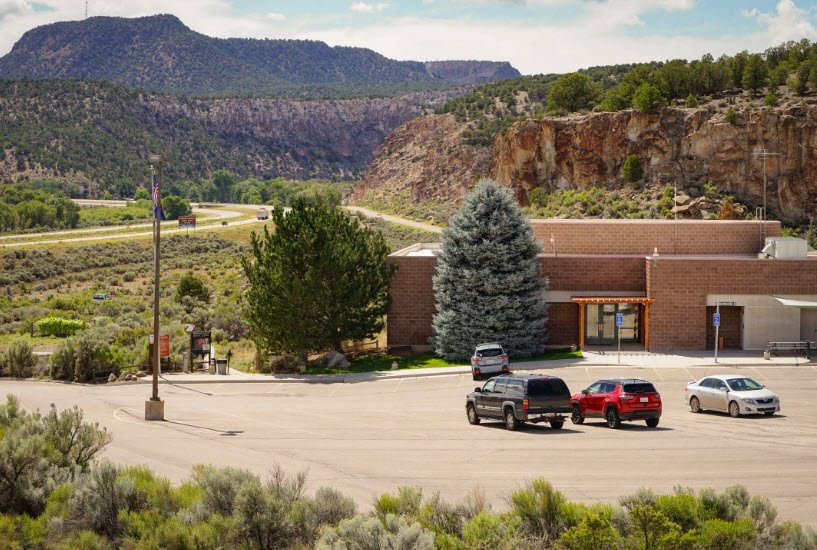
Fremont Indian State Park and Museum in Sevier County, Utah, preserves the largest known Fremont culture village site (circa AD 300-1300) uncovered during Interstate 70 construction, featuring thousands of artifacts like pottery, baskets, arrowheads, and tools displayed in an interpretive museum with films and hands-on exhibits.
Hopewell Culture National Historical Park near Chillicothe in southern Ohio preserves monumental earthen mounds and geometric enclosures built by Native Americans of the Hopewell tradition from about 200 BCE to 500 CE, showcasing their advanced engineering, astronomy, and ceremonial practices across six public sites like the fully restored Mound City Group with 23 conical burial mounds inside a square wall.
The History Museum of Mobile in Alabama showcases over 300 years of the city's history, from pre-Colonial times to the present, through more than 117,000 artifacts and interactive exhibits.
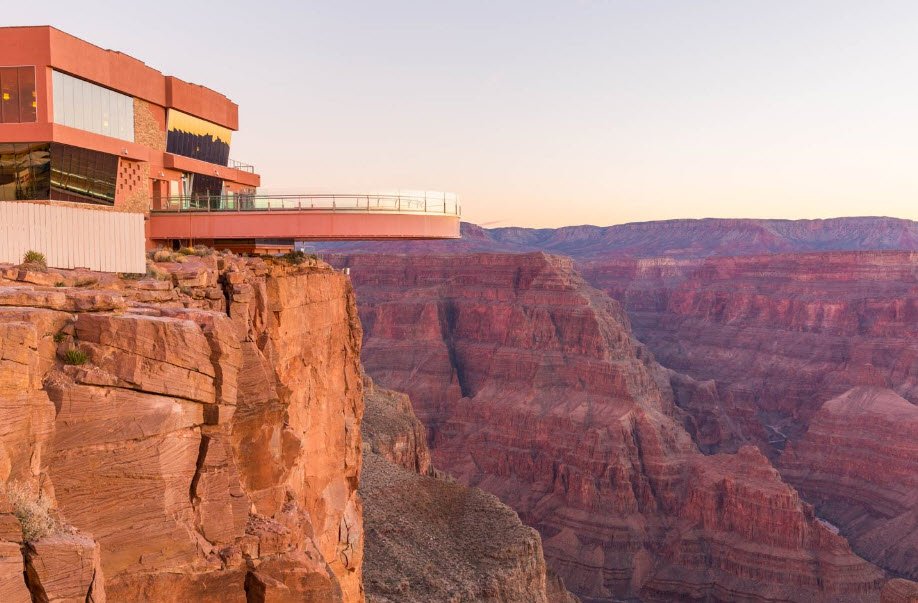
The Grand Canyon West Skywalk is a spectacular horseshoe-shaped glass bridge extending 70 feet out over the rim of the Grand Canyon's West Rim, located on the Hualapai Indian Reservation in Arizona.
Millicent Rogers Museum in Taos, New Mexico, is an art museum founded in 1956 by the family of Millicent Rogers, a Standard Oil heiress, fashion icon, and passionate collector who moved to Taos in 1947 and died there in 1952 at age 50.
Spare Time Colchester in Vermont is a modern family entertainment center featuring 30 luxury bowling lanes, a large arcade game zone with around 90 games including virtual reality experiences, two escape rooms, and a two-level laser tag arena.
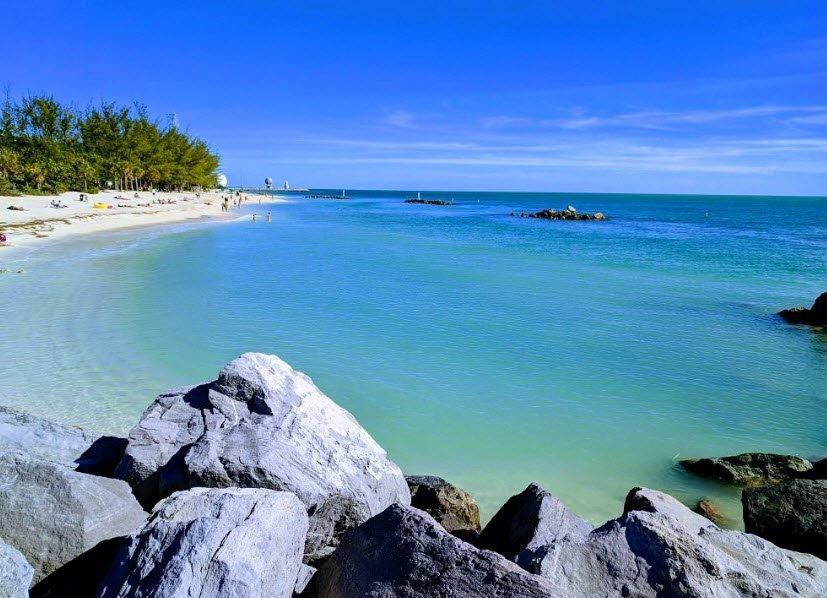
Fort Zachary Taylor Historic State Park Beach in Key West, Florida, USA, offers one of the island's top stretches of white sand and clear turquoise water at the park's southern end, ideal for swimming, snorkeling amid colorful fish, corals, parrotfish, and snapper near rocky jetties, sunbathing under palm shade, picnicking with grills and tables, and fishing from the west jetty along the shipping channel.
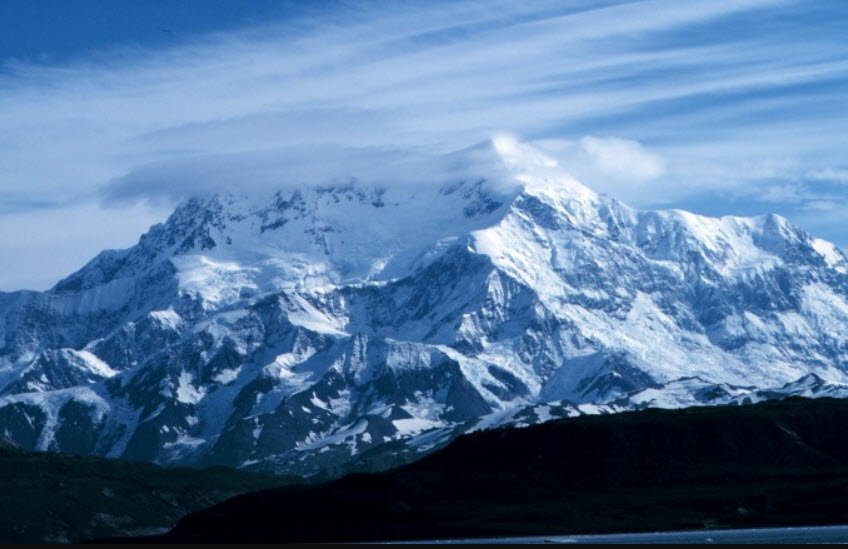
Wrangell-St. Elias National Park and Preserve in Alaska is the largest national park in the United States, spanning about 13.2 million acres—an area larger than Yellowstone, Yosemite, and Switzerland combined.
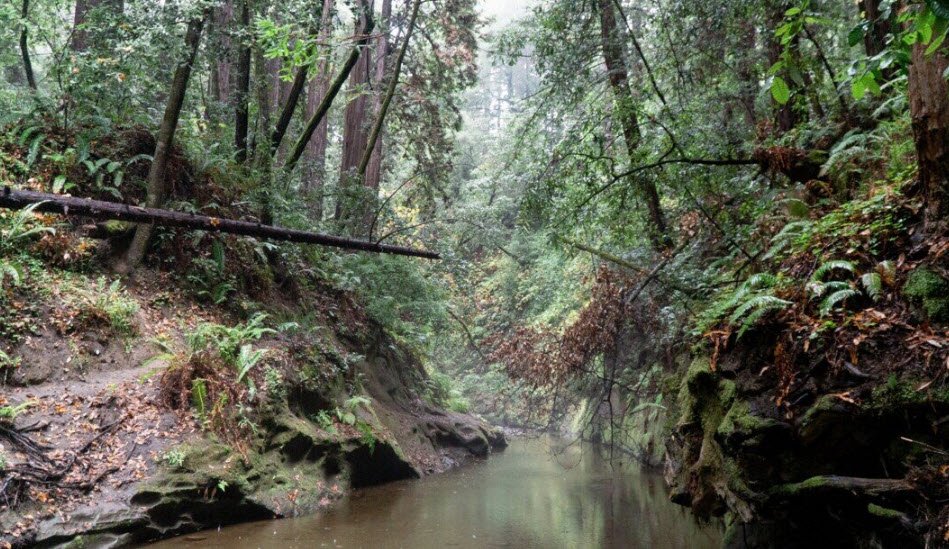
The Forest of Nisene Marks State Park is a lush, largely second‑growth redwood and mixed‑forest reserve near Aptos that protects about 10,000–10,200 acres of steep canyons, ridges, and the Aptos and Soquel Creek watersheds while offering more than 30–40 miles of trails for hiking, running, biking, and horseback riding.