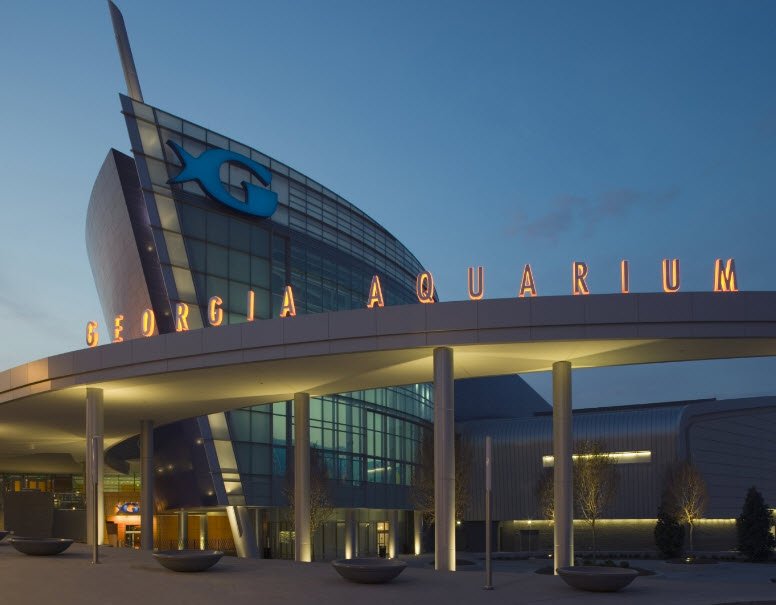
Georgia Aquarium in Atlanta, Georgia, opened in 2005 as the world's largest aquarium at the time, funded by a $250 million donation from Home Depot co-founder Bernard Marcus and built on land donated by Coca-Cola near Centennial Olympic Park.
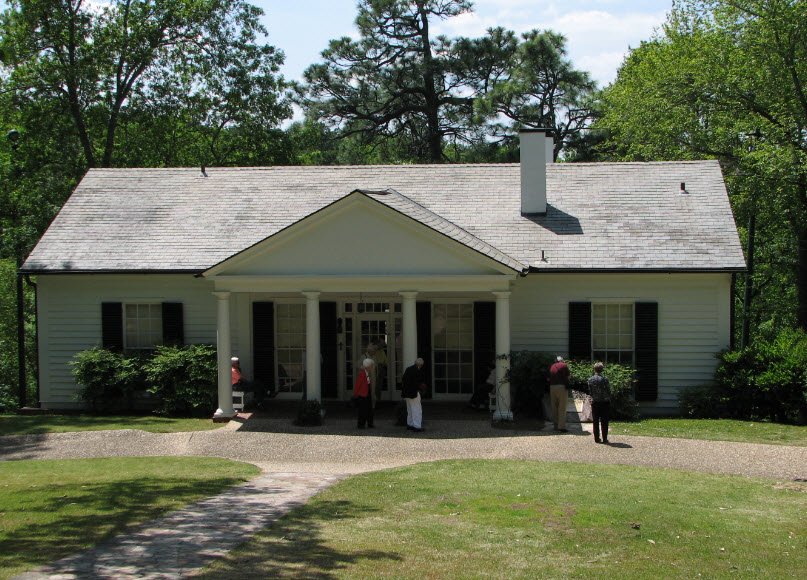
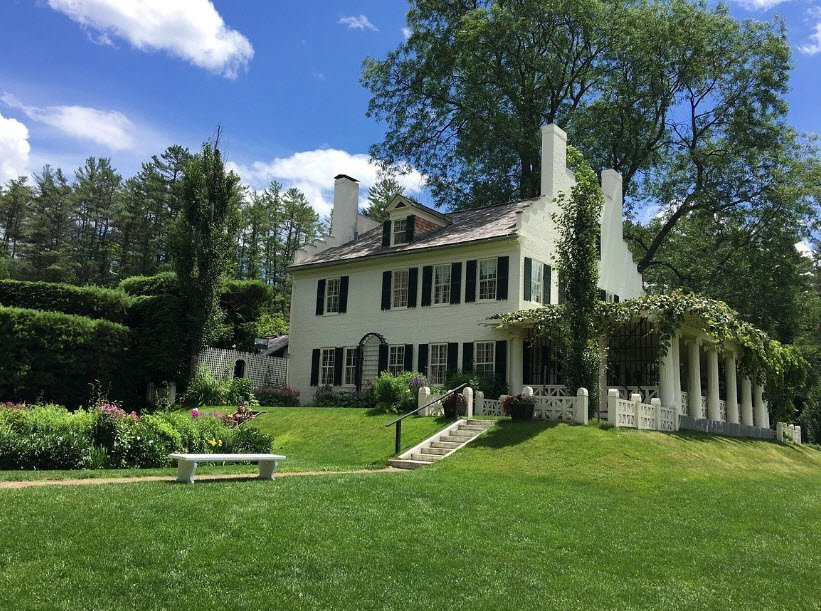
The Little White House Historic Site in Warm Springs, Georgia, USA, preserves the unassuming personal retreat built by President Franklin D. Roosevelt in 1932, where he sought relief from polio through the area's therapeutic warm springs starting in 1924.
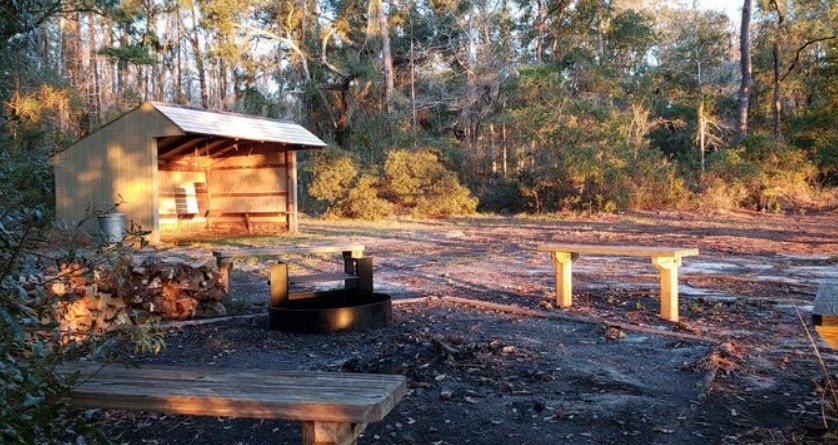
Fort Morris State Historic Site, a 66-acre Georgia state park in Midway near the Medway River, preserves earthen fortifications that defended southeast Georgia from 1741 through the Civil War, including key roles in the American Revolution and War of 1812.
Okefenokee Swamp in southeastern Georgia straddles the Florida border as North America's largest blackwater wetland, covering 438,000 acres of shallow, peat-filled waters formed 7,000 years ago from retreating Atlantic seas and sustained mostly by rainfall.
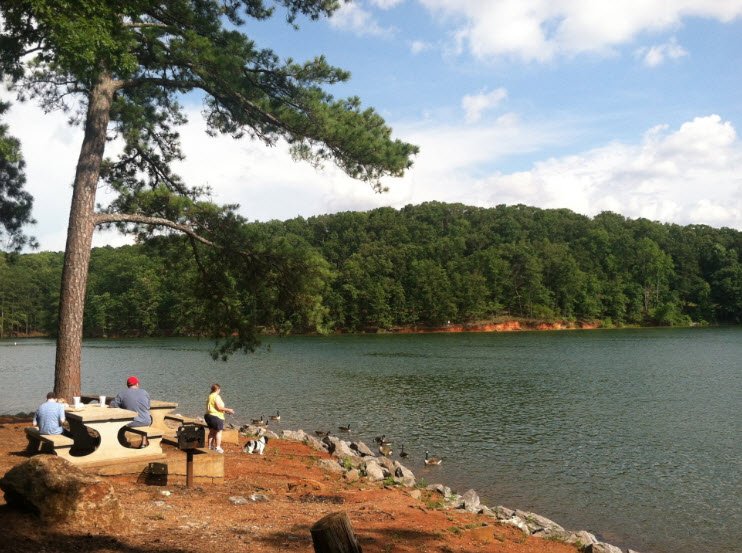
Red Top Mountain State Park spans 1,776 acres on a peninsula jutting into 12,000-acre Lake Allatoona near Cartersville in Bartow County, northwest Georgia, USA, named for iron-rich red soil on its namesake mountain that fueled 19th-century mining.
Jimmy Carter Presidential Library and Museum in Atlanta, Georgia, opened in 1986 on 35 acres of landscaped grounds as one of 13 presidential libraries under the National Archives, housing Carter's papers, Oval Office replica, state gifts, and exhibits on his life from peanut farmer to 39th president (1977-1981).
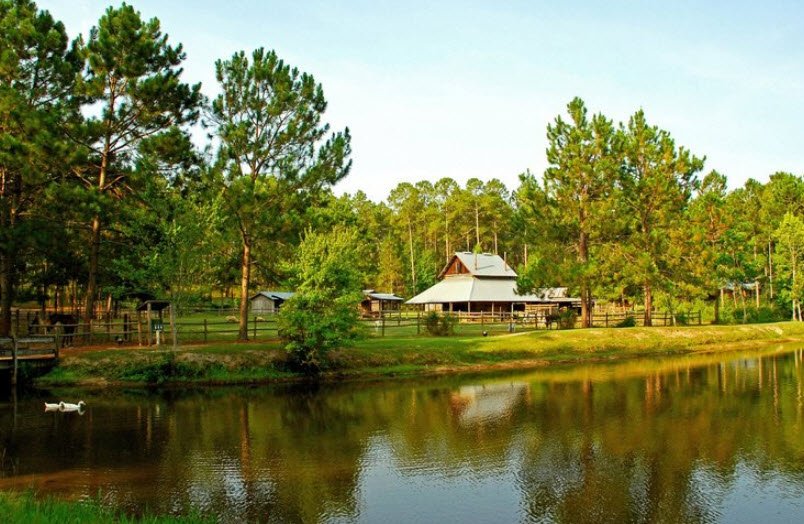
General Coffee State Park in Nicholls, Georgia, USA, covers 1,511 acres in the wiregrass region near Douglas and honors General John E. Coffee, a 19th-century planter, U.S. Congressman, and military leader.
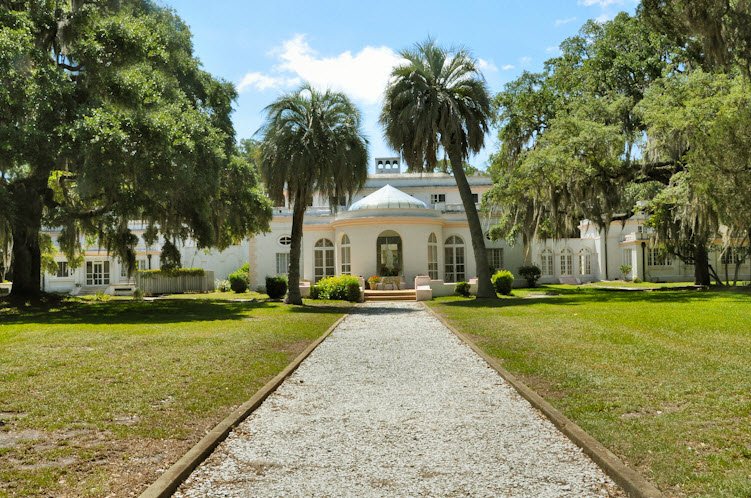
Reynolds Mansion on Sapelo Island, Georgia, USA, is a historic 200-year-old estate nestled amid moss-draped live oaks, marshes, and beaches on this secluded barrier island managed by Georgia State Parks.
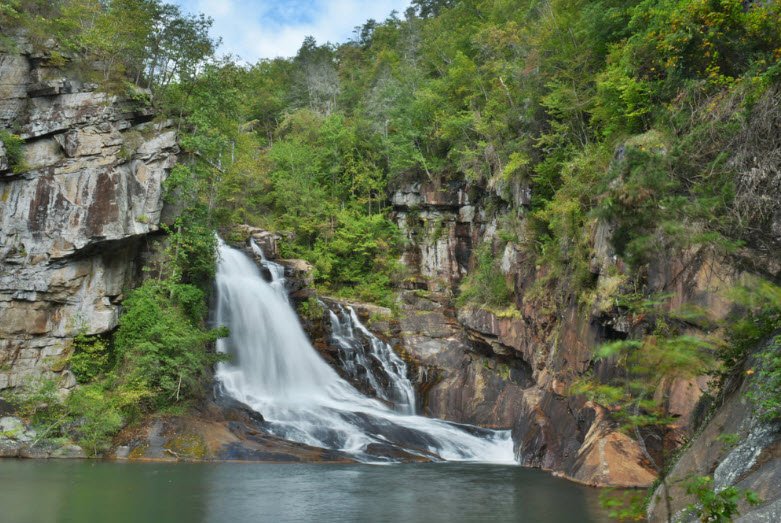
Tallulah Gorge State Park in Tallulah Falls, Georgia, encompasses 2,689 acres surrounding a dramatic 2-mile-long, nearly 1,000-foot-deep canyon carved by the Tallulah River through the southern Appalachian Mountains, one of Georgia's Seven Natural Wonders.
Piedmont Park in Atlanta, Georgia, spans 189 acres in the heart of Midtown, serving as the city's largest and most beloved urban green space originally purchased as farmland in 1834 by Samuel and Sarah Walker.
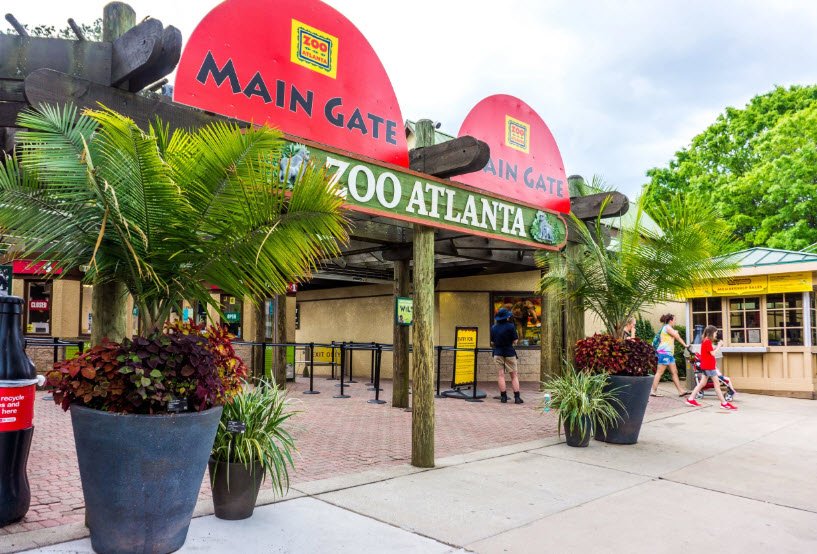
Zoo Atlanta, located in historic Grant Park in Atlanta, Georgia, traces its roots to 1889 when businessman George V. Gress donated animals from a bankrupt traveling circus to the city, establishing it as one of the oldest zoos in the U.S. on 40 acres with over 1,500 animals from 220 species, including its famed giant pandas, the largest gorilla complex in North America, and diverse exhibits like African savannas and Asian forests.
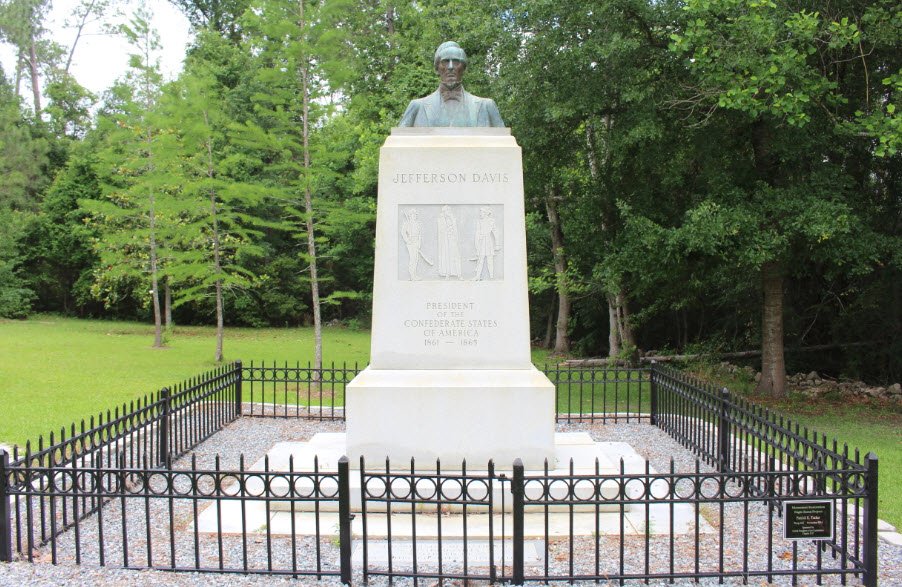
Jefferson Davis Memorial State Historic Site near Fitzgerald in Irwin County, Georgia, USA, marks the exact spot where Confederate President Jefferson Davis was captured by Union cavalry on May 10, 1865, during his flight from Richmond after the Civil War's end, effectively dissolving the Confederacy.
Tybee Island, Georgia, is a charming barrier island and city in Chatham County, located 18 miles east of Savannah at the mouth of the Savannah River, serving as Georgia's easternmost point with about 3,000 residents swelling in summer.
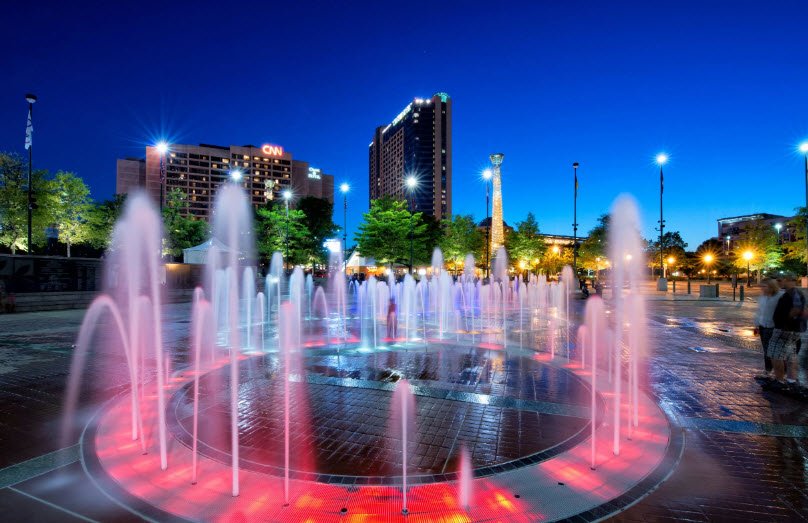
Centennial Olympic Park's water fountain in Atlanta, Georgia, USA, commonly known as the Fountain of Rings, serves as a prominent interactive drinking and play feature rather than a traditional standalone drinking fountain.
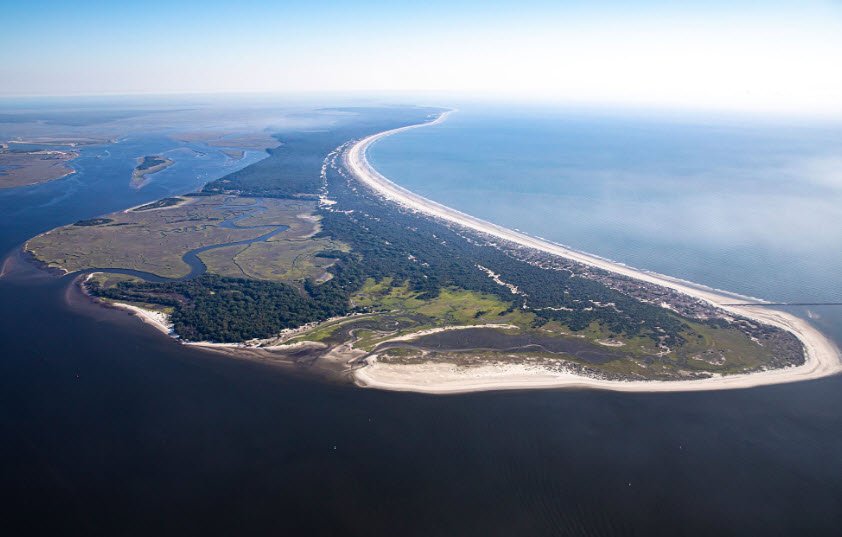
Cumberland Island, Georgia's largest and southernmost barrier island in the Golden Isles chain, spans 36,415 acres of wilderness including maritime forests, marshes, beaches, and freshwater lakes as part of Cumberland Island National Seashore established in 1972.
The High Museum of Art in Atlanta, Georgia, is the leading art museum in the southeastern United States, housing over 20,000 works with a focus on 19th- and 20th-century American art, European masterpieces, decorative arts, and global contemporary pieces.
Chattahoochee River originates from springs in Georgia's Blue Ridge Mountains, flowing 436 miles southwest through Atlanta's metropolitan area, forming part of the Georgia-Alabama border, and crossing the Fall Line at Columbus before joining the Flint River to become the Apalachicola River draining into the Gulf of Mexico.
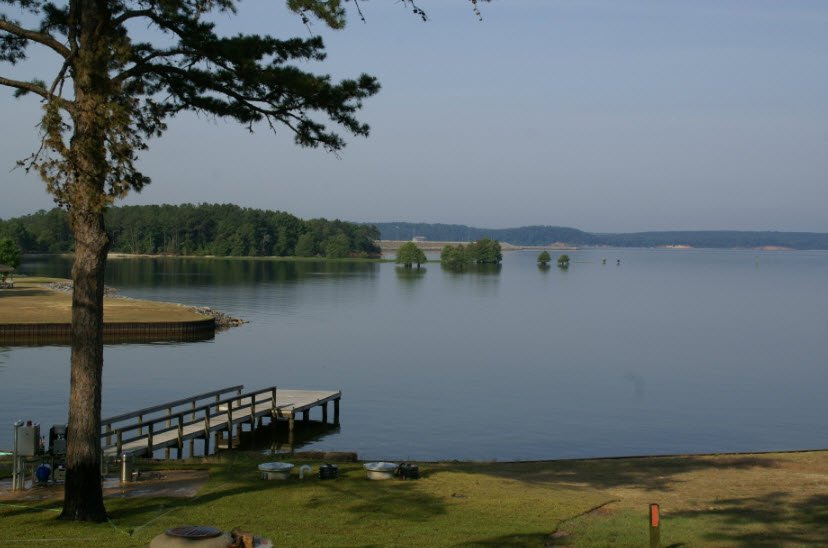
George T. Bagby State Park in southwest Georgia, USA, near Fort Gaines, covers about 700 acres along the shores of 45,000-acre Lake Walter F. George (also called Lake Eufaula), a reservoir on the Chattahoochee River known for trophy fishing including the state record blue catfish.