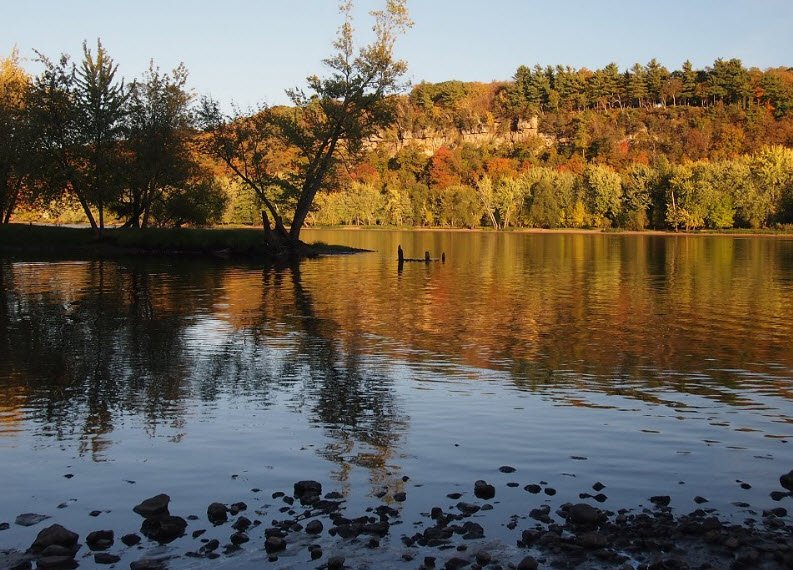
St. Croix Boom Site State Wayside is a 26-acre historic park overlooking the St. Croix River, about 2.5 miles north of Stillwater in Minnesota, commemorating the log boom operation that ran from 1856 to 1914 where an estimated 15.5 billion board feet of white pine logs from upstream forests were sorted, stored, scaled, and rafted to sawmills downstream.
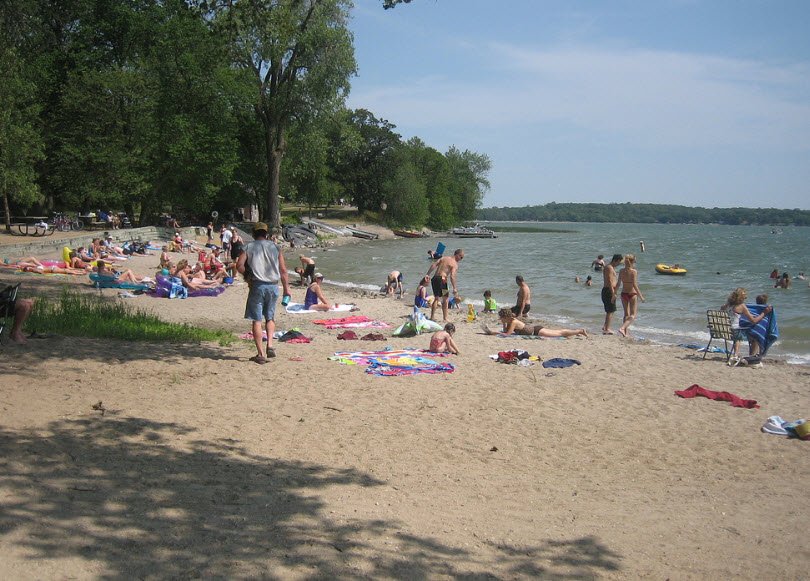
Sibley State Park in west-central Minnesota near New London spans nearly 6,000 acres across rolling glacial moraines, hardwood forests, oak savannas, prairies, wetlands, and five lakes including Mount Tom Lake and Andrew Lake, named for Minnesota's first governor Henry Sibley who hunted the area.
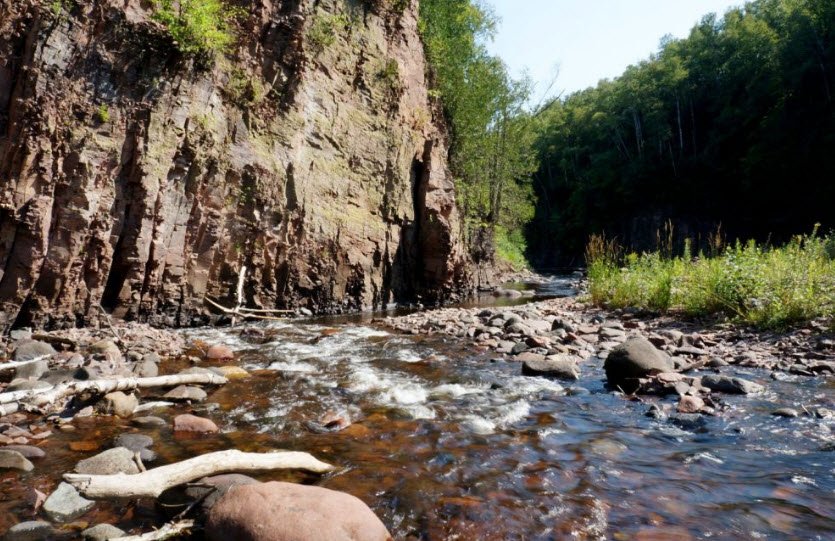
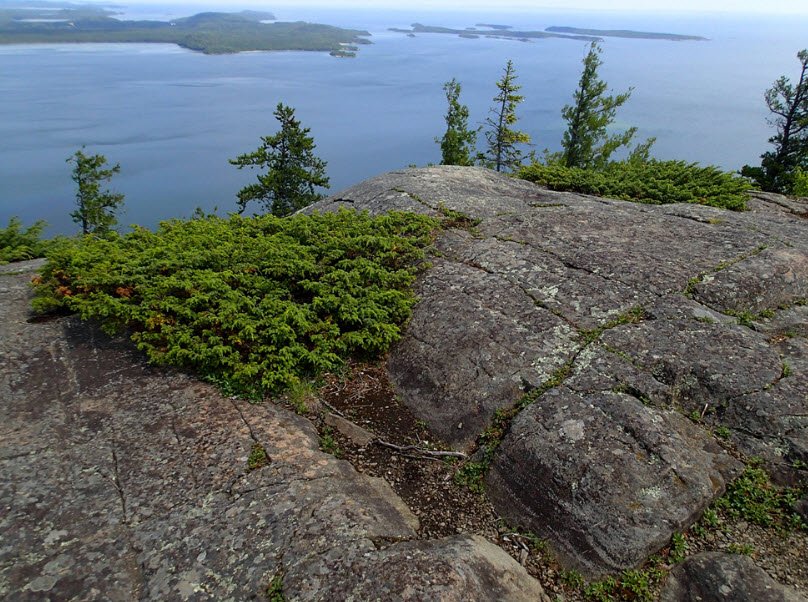
Devils Track Falls State Wayside is a remote Minnesota wayside park in Cook County near Grand Marais on the North Shore, established in 1961 and accessible via a strenuous two-mile hike (one way) off the Gunflint Trail using the Superior Hiking Trail.
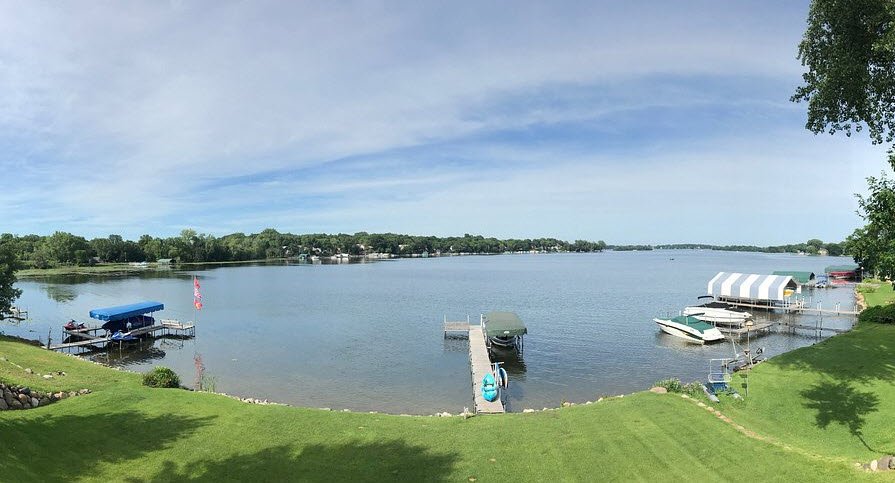
Lake Minnetonka, located about 16 miles west-southwest of Minneapolis, Minnesota, is a large and scenic lake covering approximately 14,528 acres with around 125 miles of shoreline.
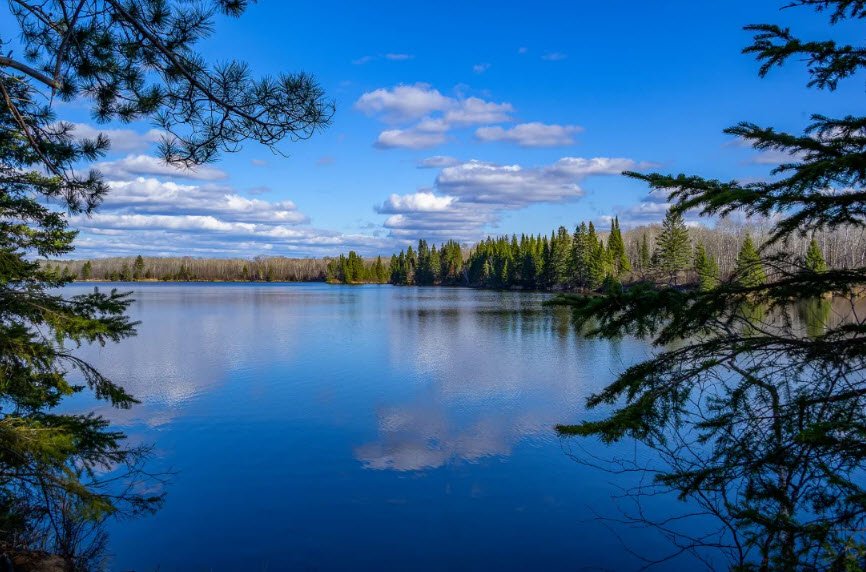
Hayes Lake State Park lies in far northern Minnesota's Roseau County, about 15 miles south of Roseau within the Beltrami Island State Forest, centering on man-made Hayes Lake formed by damming the Roseau River's north fork.
Flood Bay State Wayside is a small, scenic pull-off along Minnesota's North Shore of Lake Superior in Lake County, just northeast of Two Harbors, offering easy access to one of the region's top pebble beaches for walking and relaxation.
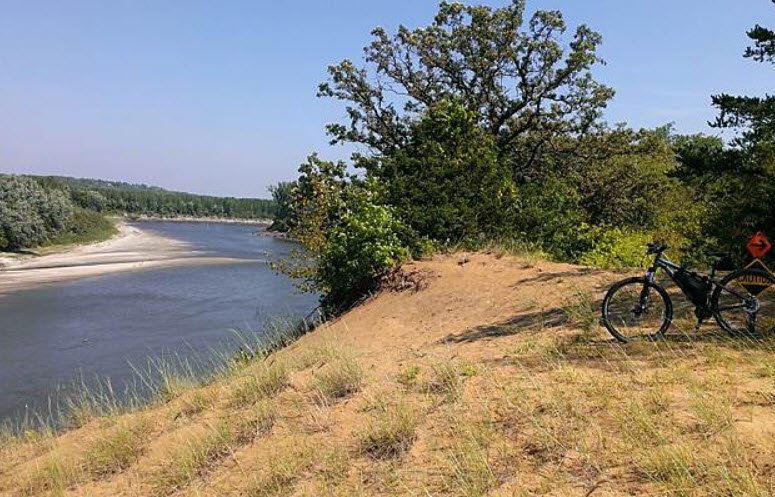
Minnesota Valley State Trail is a multi-use path in the Minneapolis-Saint Paul metro area, running about 34 miles parallel to the Minnesota River from Belle Plaine through Chaska and Shakopee to Bloomington, with a mix of unpaved natural surface for 19.5 miles and 9.8 miles of paved sections ideal for biking.
Moose Lake State Park in Carlton County, Minnesota, near the town of Moose Lake, covers 1,194 acres of glacier-carved terrain with rolling hills, dense forests, wetlands, and three lakes including 270-acre Moose Lake and 105-acre Echo Lake.
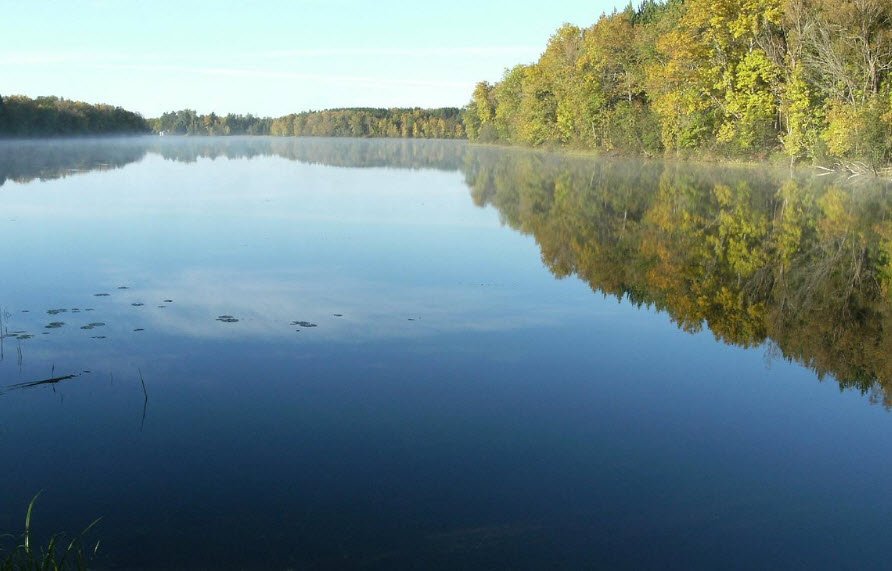
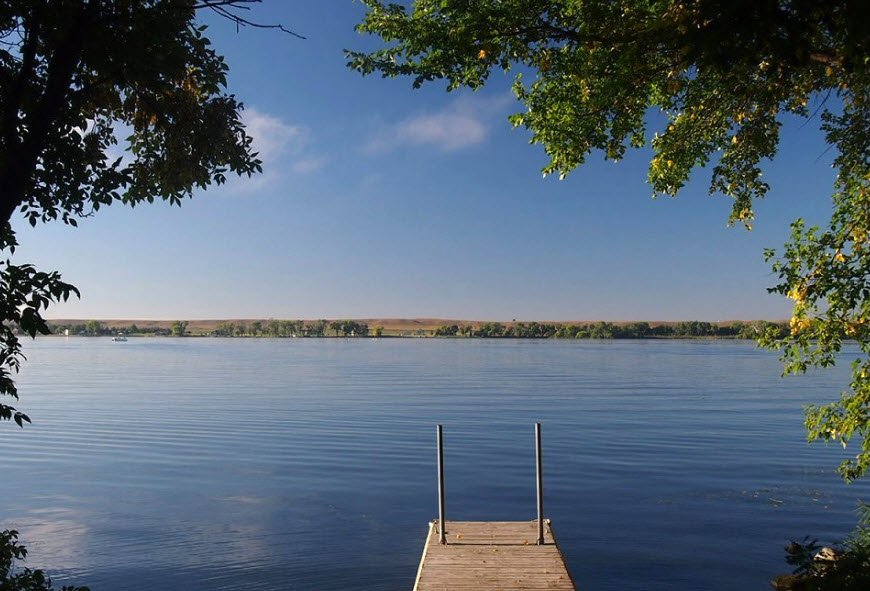
Big Stone Lake State Park in Minnesota sits along the shores of Big Stone Lake, the headwaters of the Minnesota River, offering a peaceful retreat with diverse landscapes like native prairies, oak savannas, wetlands, and hardwood forests.
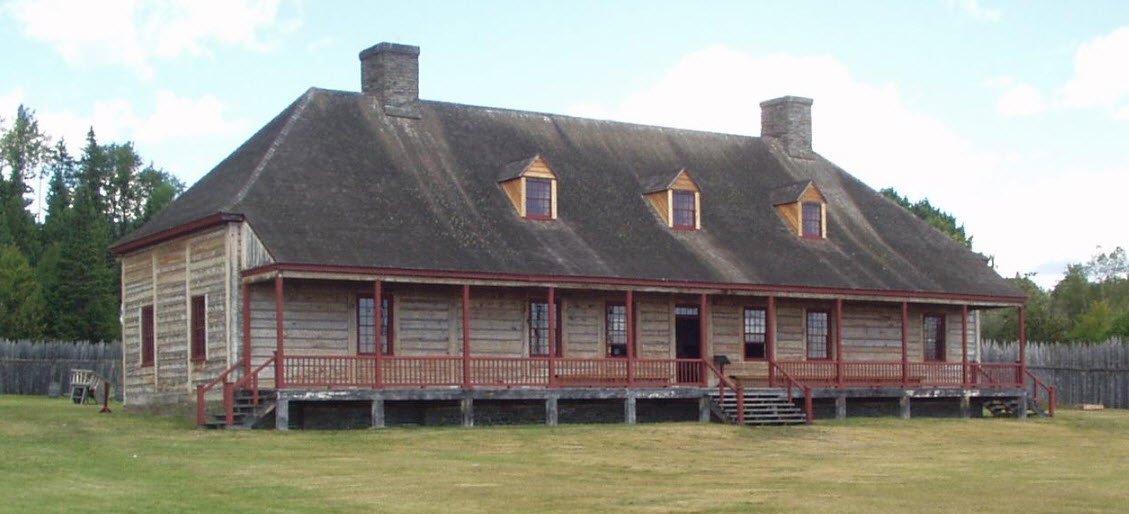
Grand Portage National Monument in Minnesota preserves a historically significant fur trading site and Anishinaabeg Ojibwe heritage location on the north shore of Lake Superior.
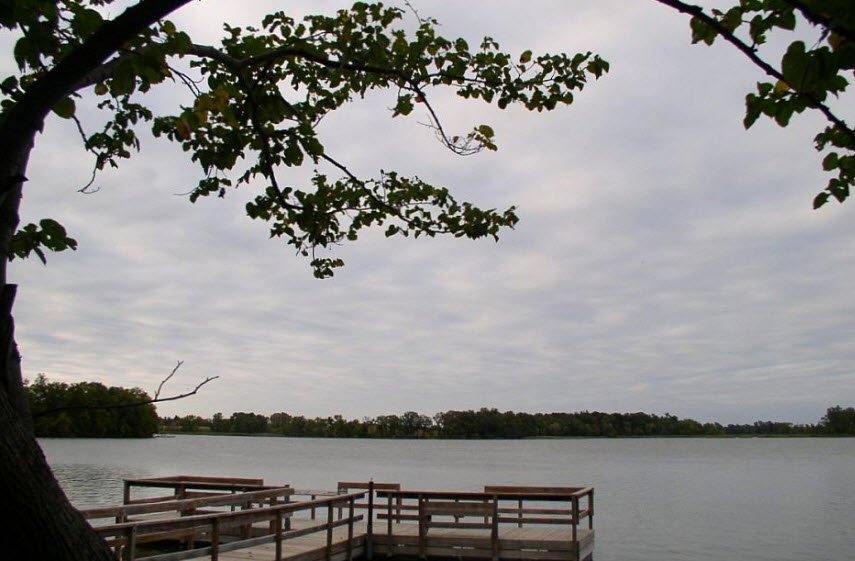
Greenleaf Lake State Recreation Area is a developing 385-acre day-use-only site in Meeker County, Minnesota, halfway between Hutchinson and Litchfield, featuring undeveloped shorelines on interconnected Greenleaf and Sioux Lakes amid prairies, oak savannas, wetlands, and wildlife like deer, turkeys, and waterfowl.
Little Six Casino is a Native American casino located in Prior Lake, Minnesota, and is owned and operated by the Shakopee Mdewakanton Sioux Community, a federally recognized sovereign tribe.
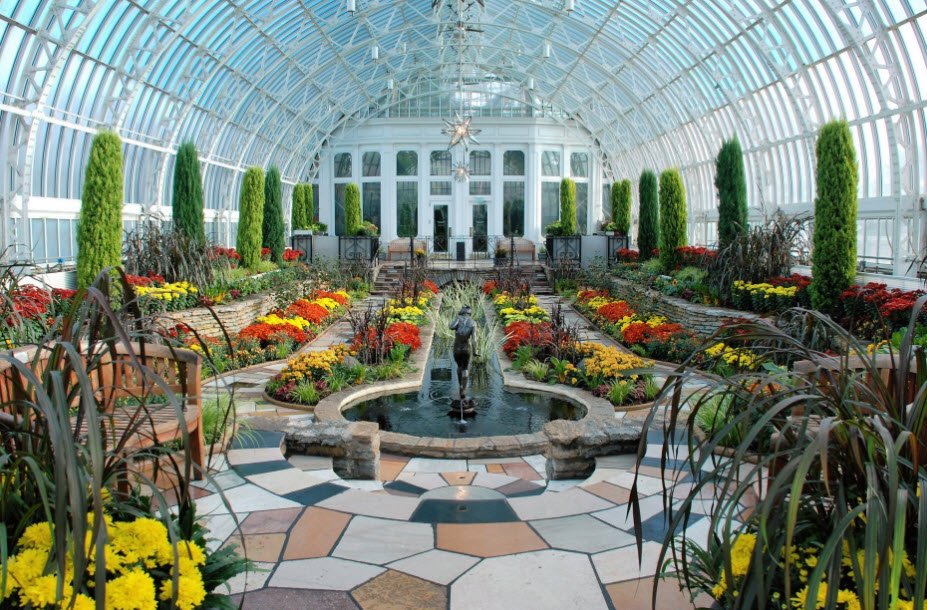
Como Park Zoo and Conservatory Visitor Center in Saint Paul, Minnesota, is part of the larger Como Park complex that includes a free zoo, a conservatory, and recreational facilities.
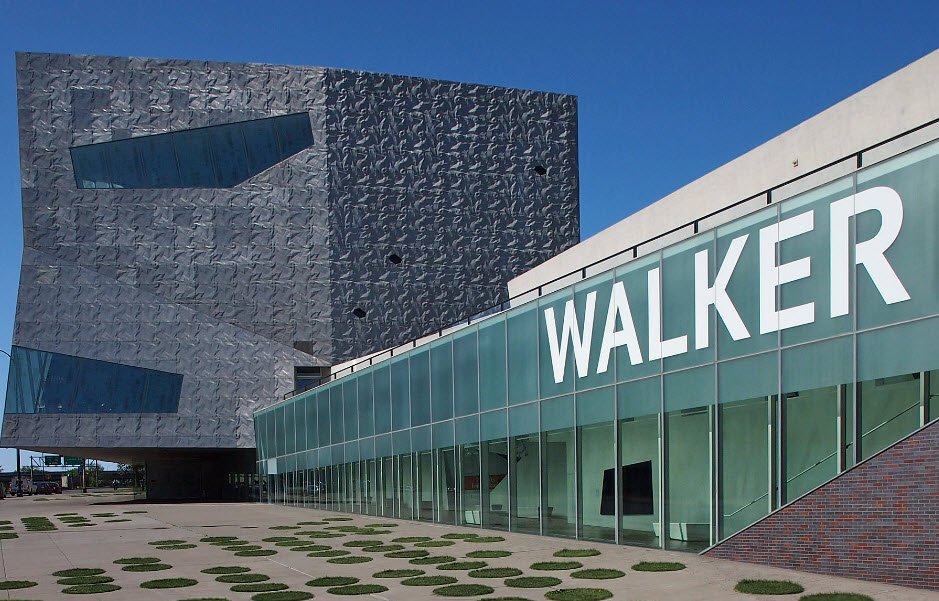
The Walker Art Center in Minneapolis traces its origins back to 1879 when lumber baron Thomas Barlow Walker opened his private art gallery to the public, making it the first public art gallery west of the Mississippi River.
The Minnesota Zoo, located in Apple Valley, opened in 1978 as one of the first zoos in the world to organize animals by their natural habitats instead of species type.
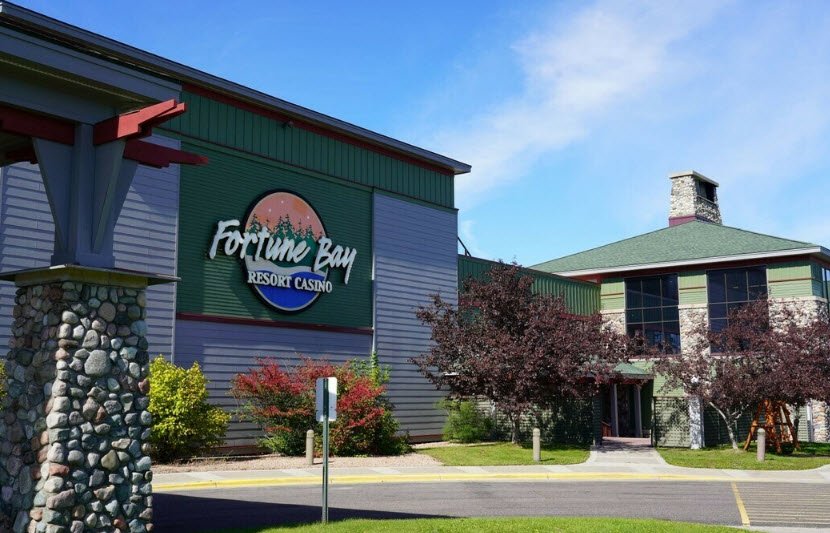
Fortune Bay Resort Casino in Tower, Minnesota, is a year-round lakeside entertainment destination owned by the Bois Forte Band of Chippewa, set on the shores of beautiful Lake Vermilion in the Iron Range region.