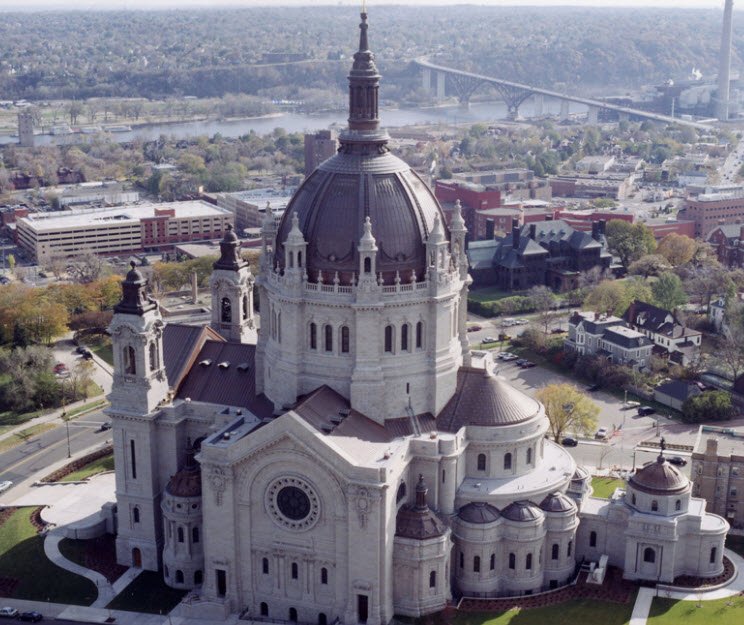
The Minnesota State Capitol in St. Paul, completed in 1905 and designed by architect Cass Gilbert, is a monumental example of Beaux-Arts and Renaissance Revival architecture.
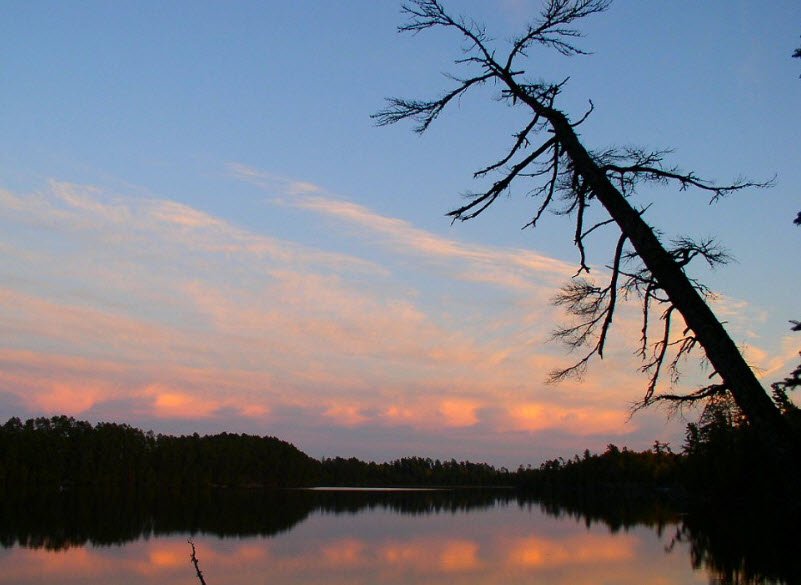
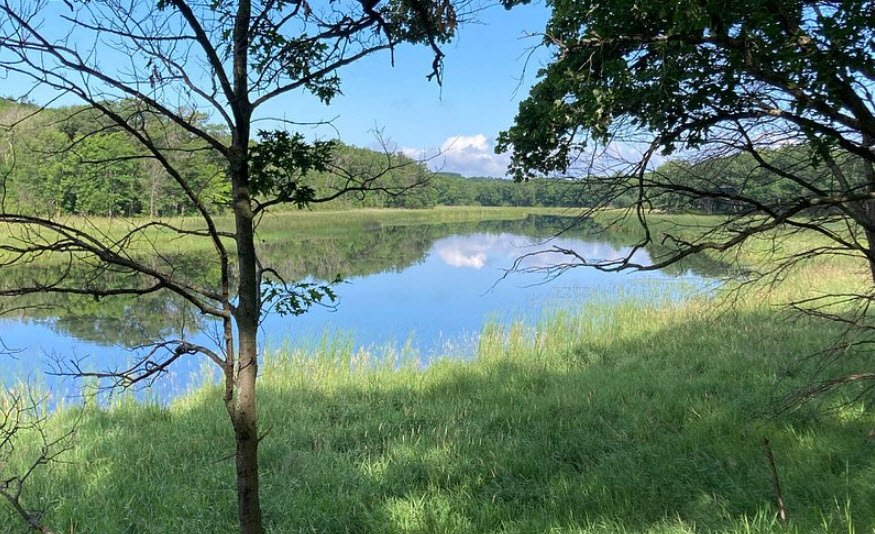
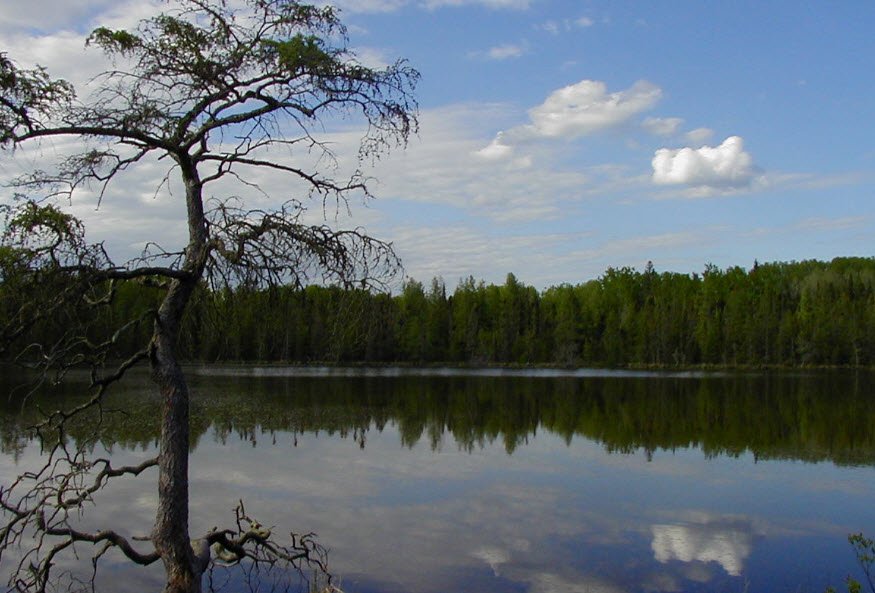
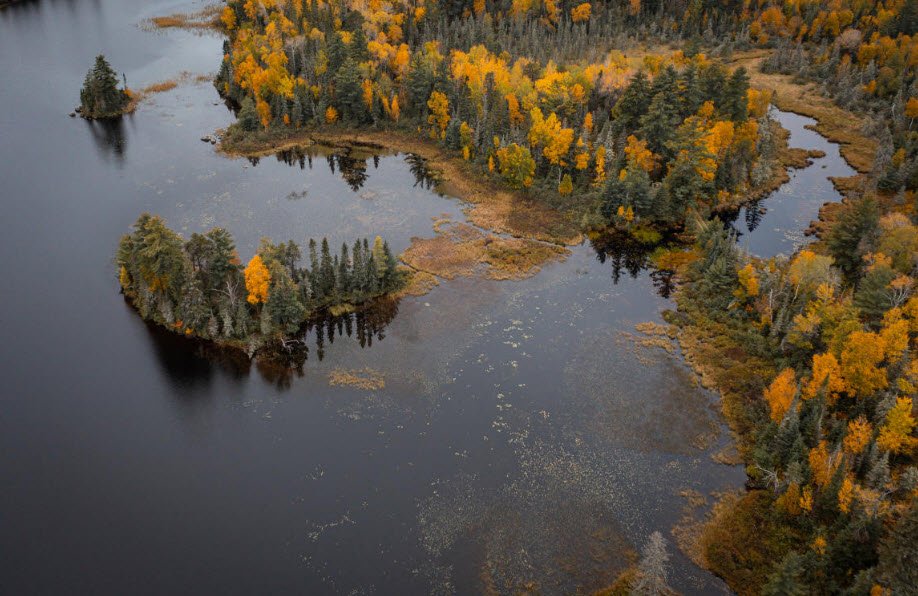
Scenic State Park in northern Minnesota near Bigfork in Itasca County preserves nearly 4,000 acres of rare old-growth red and white pine forests surrounding pristine Coon Lake and Sandwick Lake, plus portions of several others like Lake of the Isles.
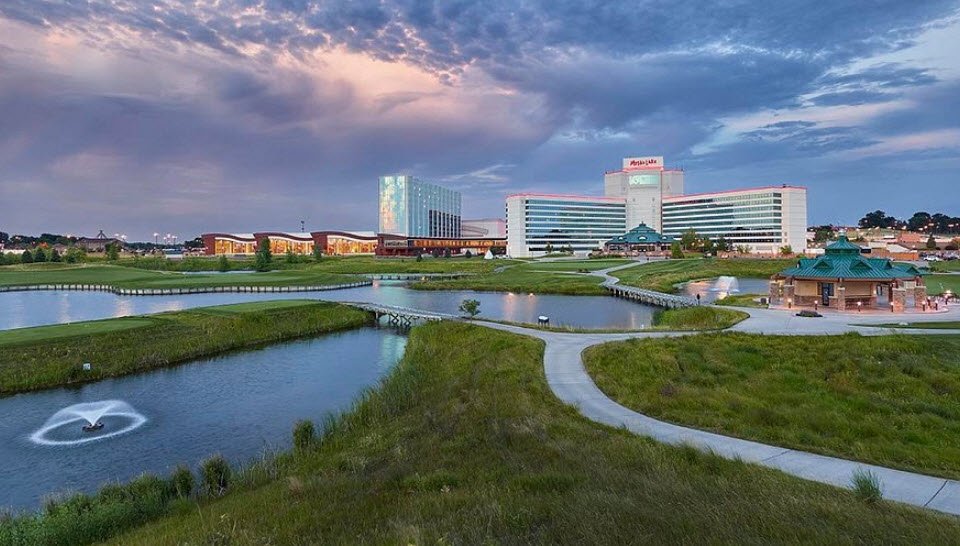
Mystic Lake Casino Hotel in Prior Lake, Minnesota, is owned and operated by the Shakopee Mdewakanton Sioux Community, a federally recognized Native American tribe.
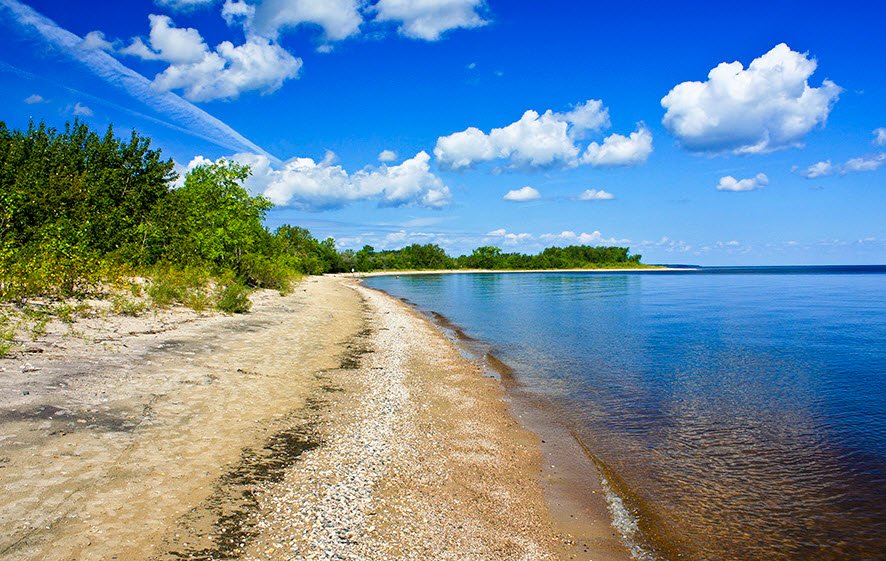
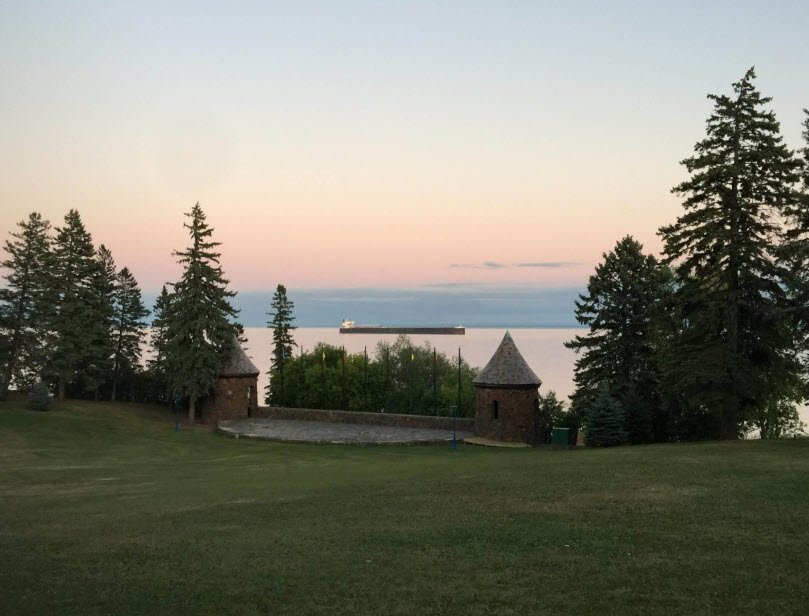
Zippel Bay State Park in northwestern Minnesota near Williams occupies nearly 3,000 acres along the white sand beaches of Lake of the Woods, one of the world's largest lakes spanning over 1,485 square miles with dramatic moods from crashing waves to serene stillness.
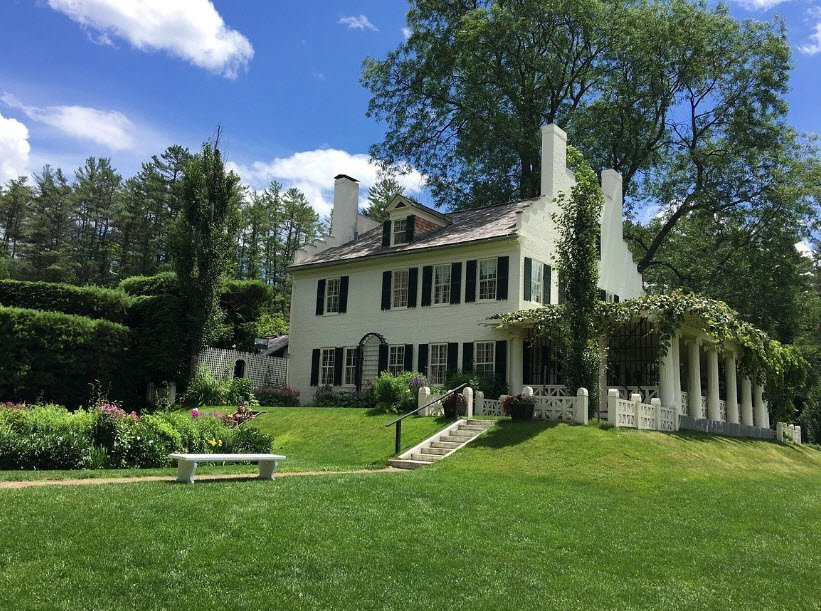
Charles A. Lindbergh State Park in Little Falls, Minnesota, spans 569 acres along the Mississippi River and was once the family farm of famed aviator Charles Lindbergh and his father, a congressman, with their restored 1906 home and outbuildings now part of a historic site run by the Minnesota Historical Society.
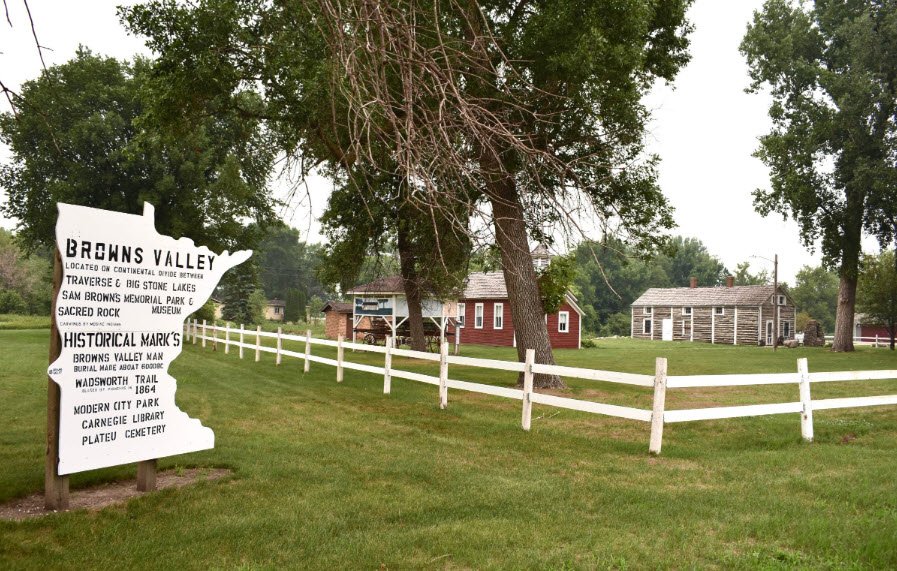
Sam Brown Memorial State Wayside is a small 1-acre historical park in Browns Valley, Minnesota, established in 1929 to honor frontiersman Samuel J. Brown (1845–1925), known as the Paul Revere of the West, who rode 55 miles in 1866 through a blizzard to warn settlers of a potential Dakota attack and returned to recall the false alarm, suffering lifelong injuries.
Minnesota's Largest Candy Store, located in Jordan, Minnesota, is a seasonal family-owned and operated business open from mid-May through November, with hours typically from 8:00 AM to 7:00 PM during weekdays and until 8:00 PM on weekends.
Mille Lacs Kathio State Park, Minnesota's fourth-largest state park at over 11,000 acres, lies one mile west of Onamia near Mille Lacs Lake, encompassing forests, lakes like Ogechie and Shakopee, the Rum River headwaters, and 19 significant archaeological sites spanning 9,000 years of Native American history from the Archaic period to Dakota and Ojibwe eras, earning it National Historic Landmark status.
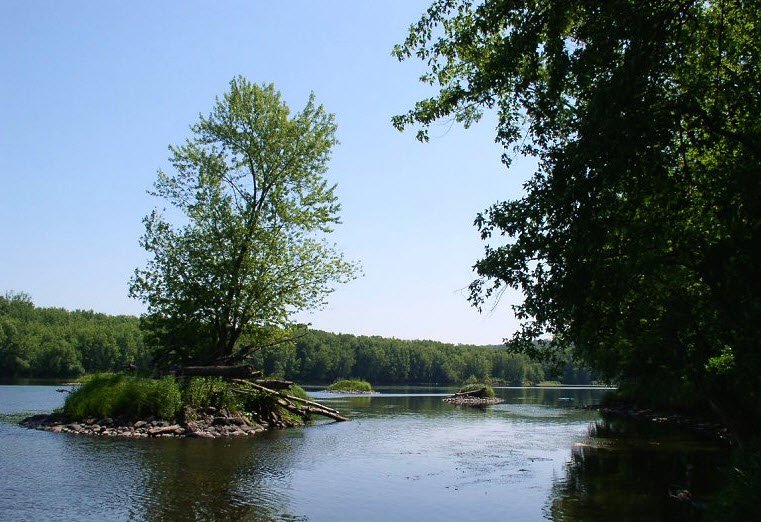
Wild River State Park in east-central Minnesota stretches 18 miles along the St. Croix National Scenic Riverway near Center City, preserving diverse oak savanna, prairie, and floodplain forest habitats with 35 miles of trails for hiking, biking, horseback riding, and snowshoeing.
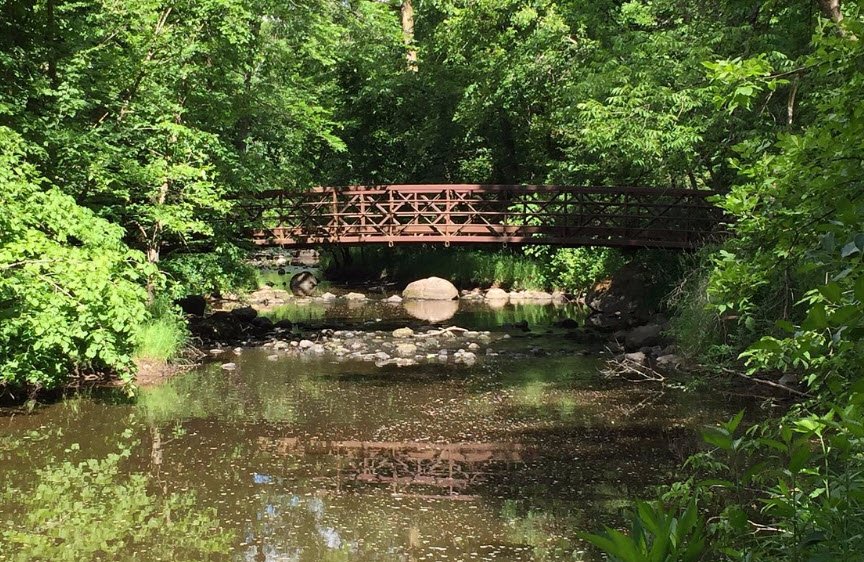
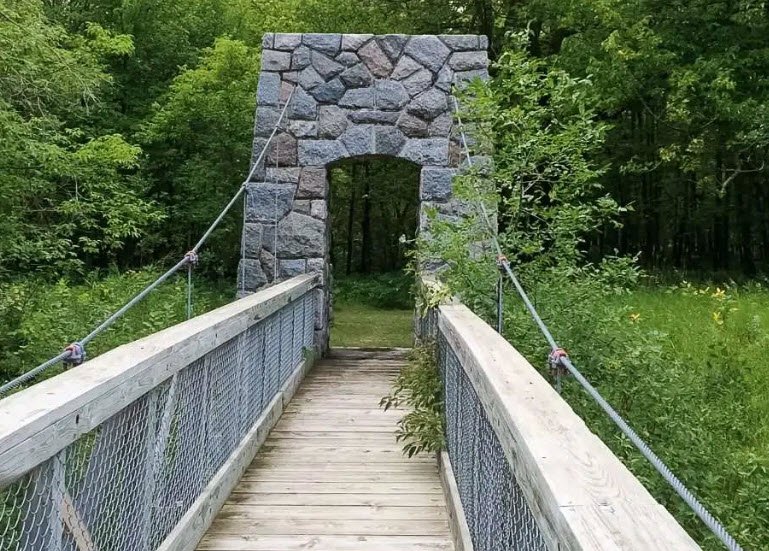
Old Mill State Park in Marshall County, northwestern Minnesota, sits along the Middle River on an ancient beach ridge of glacial Lake Agassiz, preserving historic structures like a settlers' cabin from 1883, a stone bridge, and WPA-era features from the 1930s.
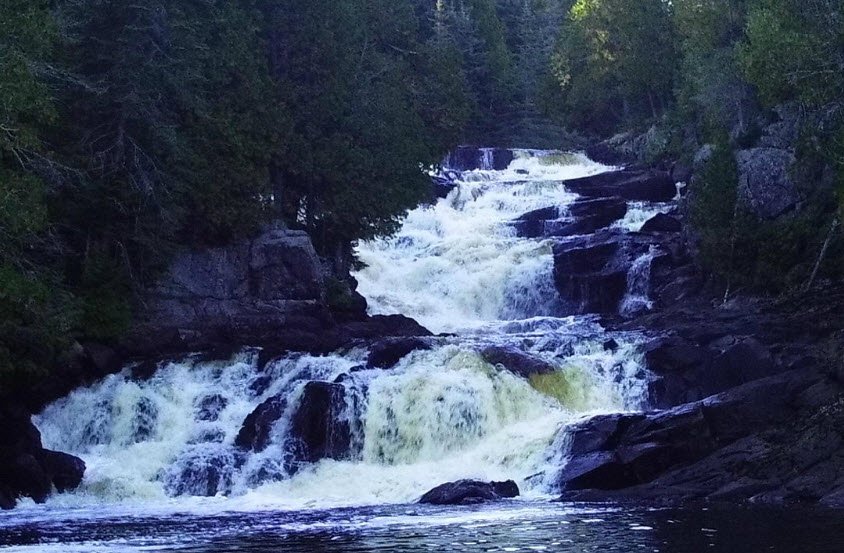
George H. Crosby Manitou State Park covers over 6,000 acres along Minnesota's Lake Superior North Shore between Tettegouche and Temperance River State Parks, near Little Marais and Finland, centered on the wild Manitou River's steep volcanic gorge with three dramatic waterfalls (Upper, Middle, and Lower Falls).
Lake Bemidji State Park lies five miles north of Bemidji, Minnesota, along the north shore of 6,765-acre Lake Bemidji, the Mississippi River's northernmost navigable point formed by ancient glacial meltwater.
Flandrau State Park lies in southern Minnesota near New Ulm along the Cottonwood River valley, covering about 1,000 acres of floodplain forests, oxbow marshes, open grasslands, and steep bluffs with springs and goat prairies.
Superior National Forest in northeastern Minnesota covers around three million acres of forests, lakes, rivers, and rugged terrain along the Canada–United States border and Lake Superior’s northern shore.