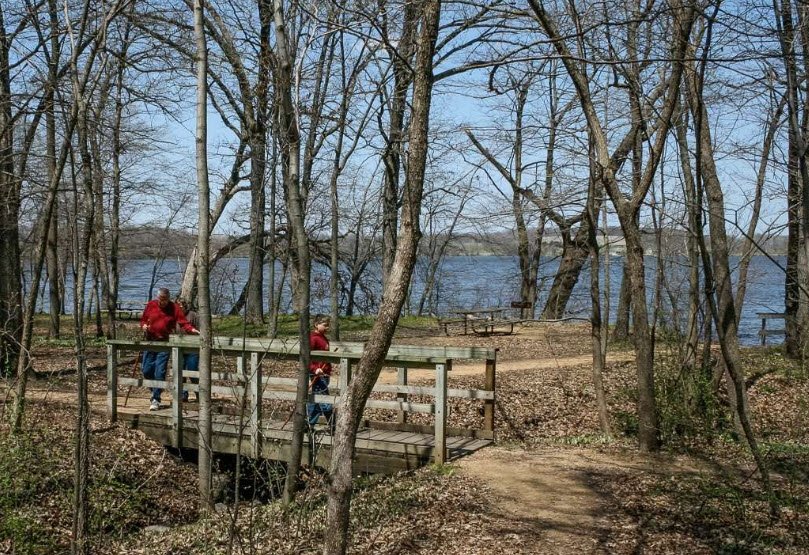
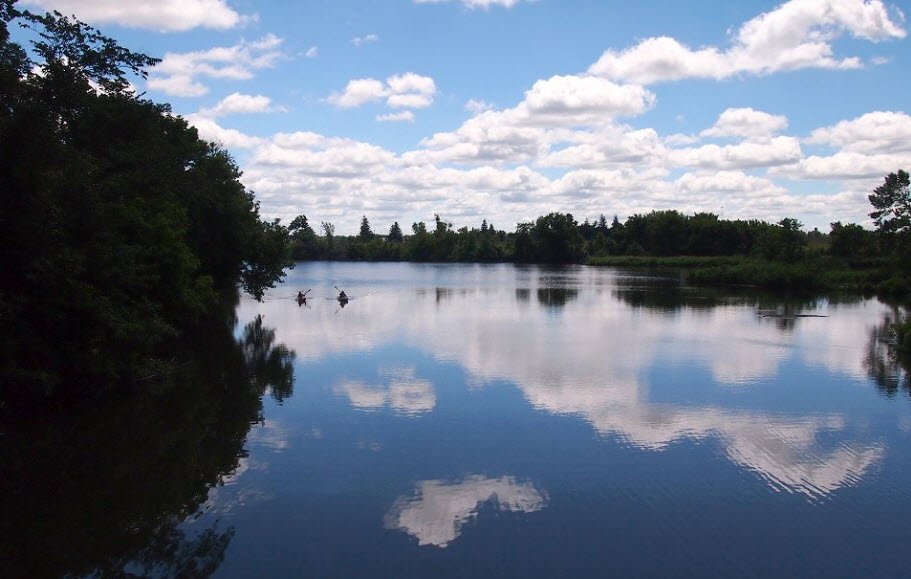
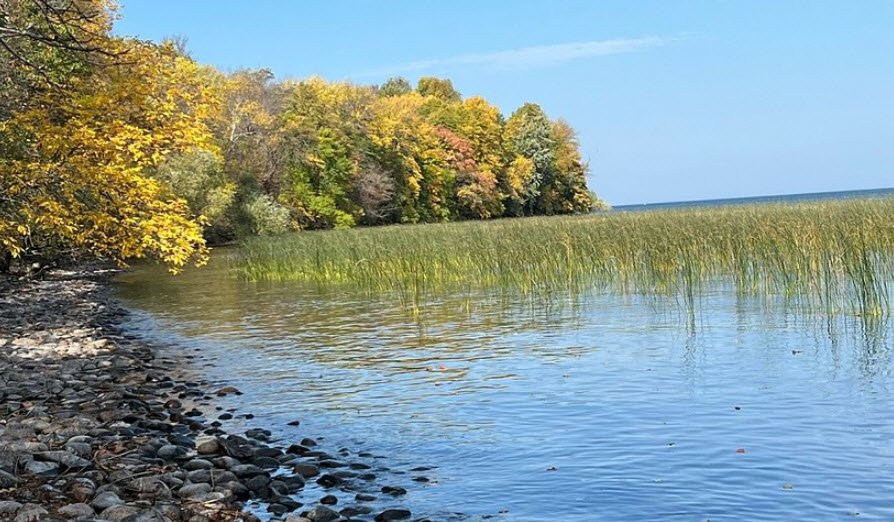
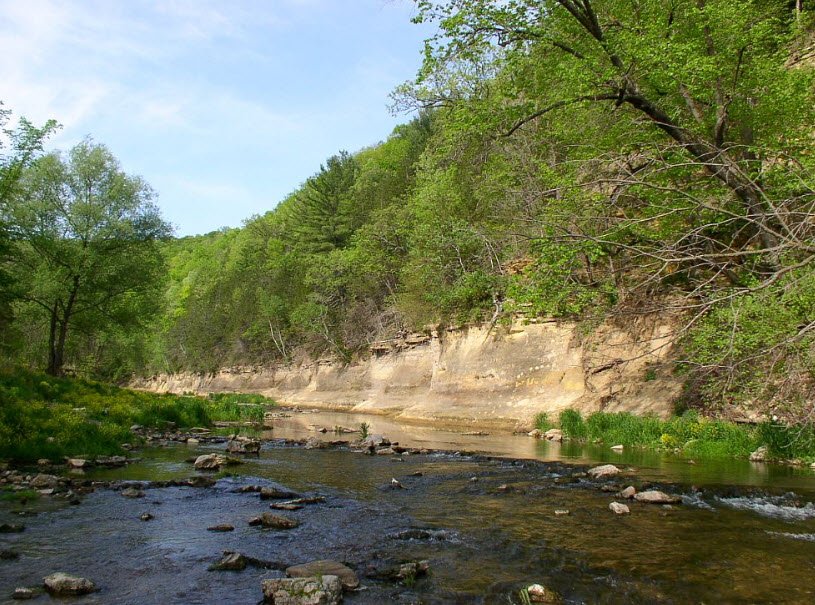
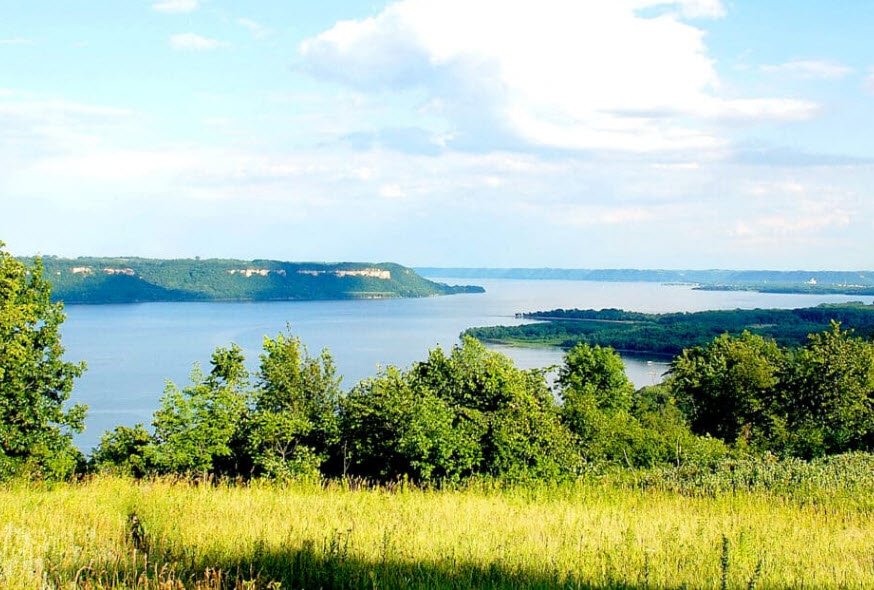
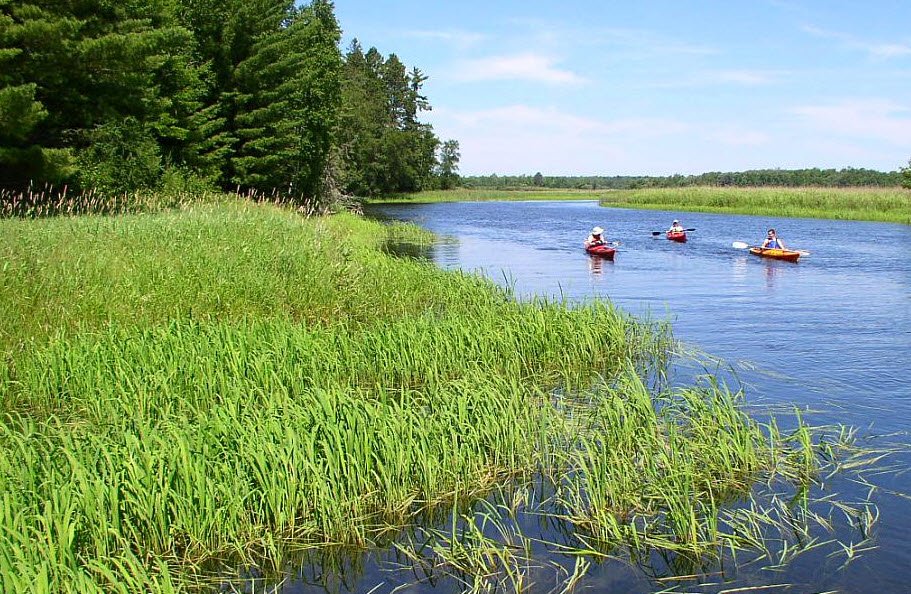
Sakatah Lake State Park in southern Minnesota near Waterville covers 842 acres on a natural widening of the Cannon River, known as Upper and Lower Sakatah Lakes, marking the transition between the Big Woods hardwood forests and prairie landscapes with rolling moraines, wetlands, and oak barrens.
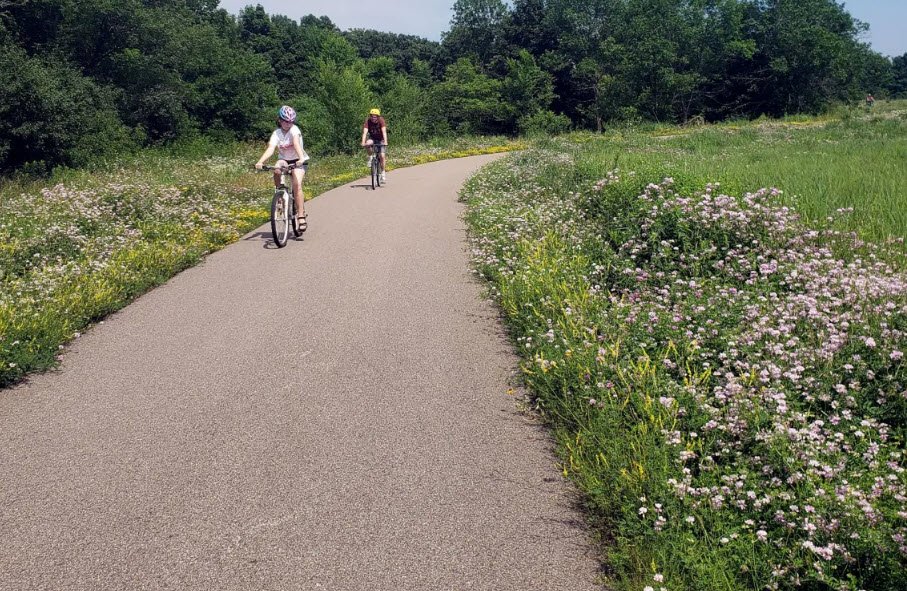
Mill Towns State Trail is a developing multi-use paved trail in south-central Minnesota, currently featuring disconnected segments totaling about 8 miles that link the communities of Faribault, Dundas, Northfield, Waterford, Randolph, and Cannon Falls along the Cannon River.
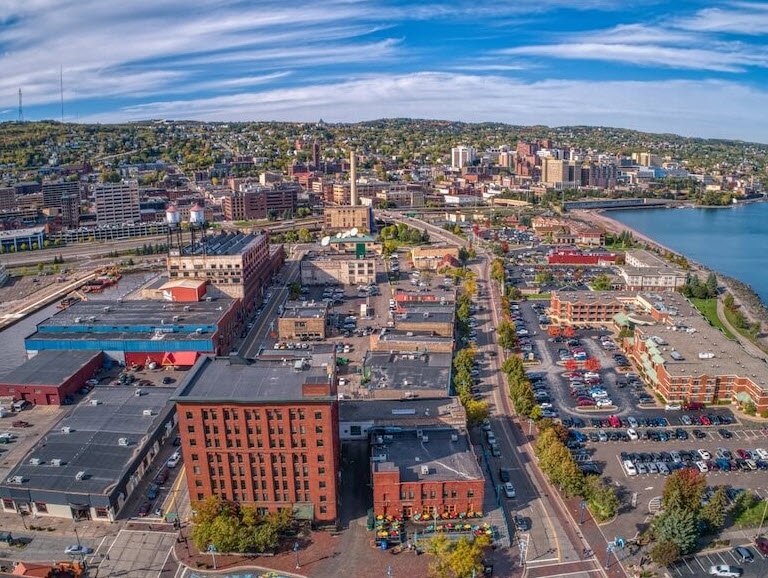
Canal Park in Duluth, Minnesota, was originally a gritty industrial waterfront area with warehouses, factories, and even junkyards, reflecting the city’s strong shipping and manufacturing roots.
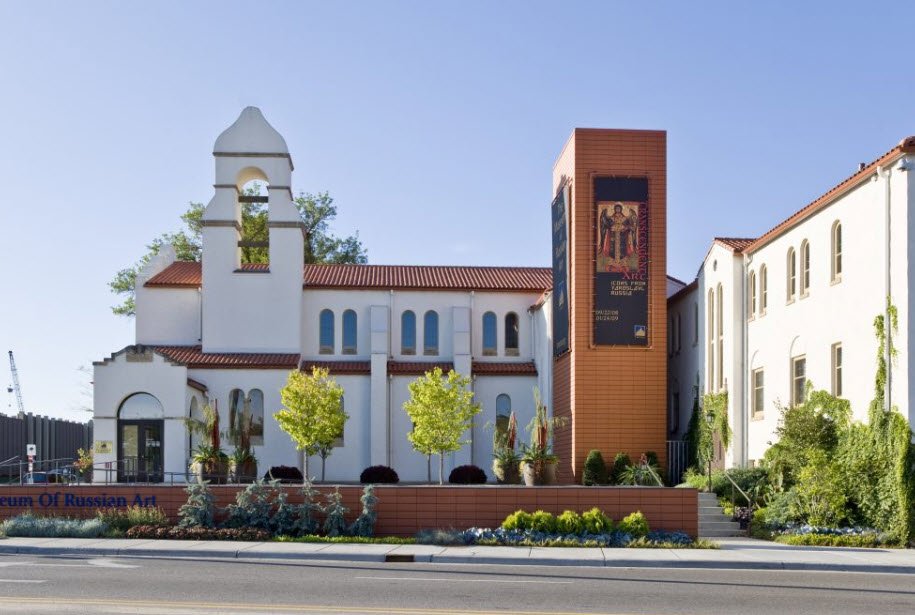
The Museum of Russian Art in Minneapolis, Minnesota, is a nonprofit institution dedicated to showcasing the rich and diverse artistic heritage of Russia from historical to contemporary times.
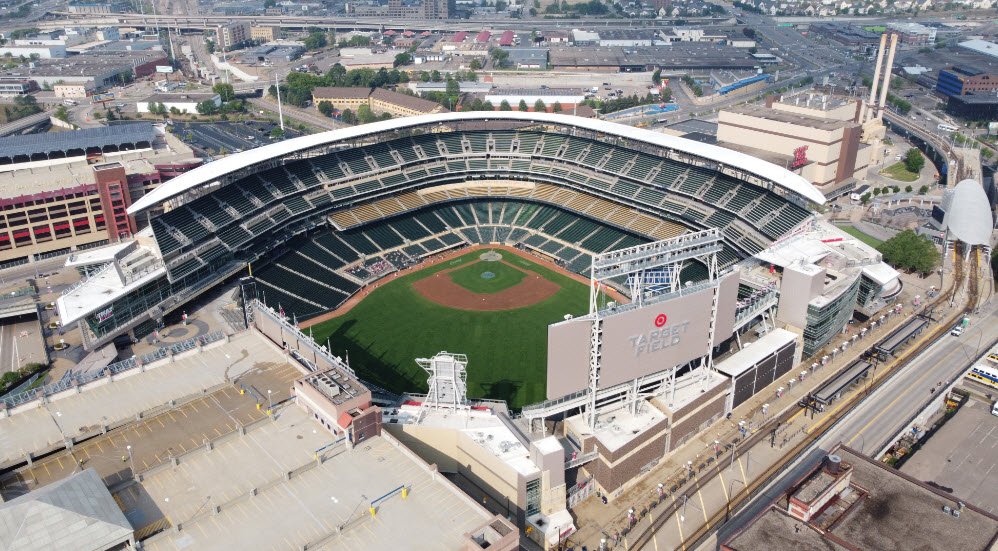
Target Field is a modern baseball stadium located in the historic warehouse district of downtown Minneapolis and has been the home of Major League Baseball's Minnesota Twins since its opening in 2010.
The Minneapolis Institute of Art, founded in 1883 by a group of citizens as the Minneapolis Society of Fine Arts, opened its neoclassical building designed by McKim, Mead and White in 1915.
Buffalo River State Park in northwestern Minnesota preserves one of the state's largest and highest-quality tallgrass prairies, bisected by the wooded Buffalo River, with over 250 species of wildflowers, grasses, and wildlife like deer, foxes, beavers, and moose.
The International Wolf Center near Ely, Minnesota, is a research and educational facility dedicated to the survival and understanding of wolves and their ecology.
Treasure Island Resort & Casino in Welch, Minnesota, is a premier tribal casino resort owned by the Prairie Island Indian Community along the Mississippi River, serving as southern Minnesota's top gaming destination with a 24-hour floor featuring over 1,800-2,200 slot machines, video poker, keno, 40-44 table games, a 6-table poker room, and a 500-550-seat high-stakes bingo hall.
Lake Louise State Park, Minnesota's southernmost state park, covers about 1,100 acres just 1.5 miles north of LeRoy near the Iowa border, blending woodlands, savannas, meadows, and restored prairies on the tallgrass prairie biome's edge.
Father Hennepin State Park occupies a 320-acre wooded peninsula on the southeast shore of Mille Lacs Lake in central Minnesota, near Isle, named for French explorer Father Louis Hennepin who visited in 1680.
Whitewater State Park in southeastern Minnesota's blufflands near Altura preserves 2,700 acres along the spring-fed Whitewater River and Trout Run Creek, renowned for excellent trout fishing, dramatic limestone bluffs, deep ravines, and karst topography with scenic overlooks like Inspiration Point and Coyote Point.
Frontenac State Park lies along the Mississippi River in Goodhue County, Minnesota, about 10 miles southeast of Red Wing overlooking Lake Pepin, the river's widest natural widening, with dramatic 430-foot limestone bluffs including the historic Point No-Point and a natural rock arch called In-Yan-Teopa.
Schoolcraft State Park is a serene 225-acre retreat along the Mississippi River in northern Minnesota near Deer River, featuring dense virgin pine forests, including white pines over 300 years old, and gentle riverbanks ideal for quiet escapes.
The Boundary Waters Canoe Area Wilderness in northeastern Minnesota is a vast natural reserve spanning over 1.1 million acres of forests, glacial lakes, and streams, located within the Superior National Forest along the U.S.-Canada border.