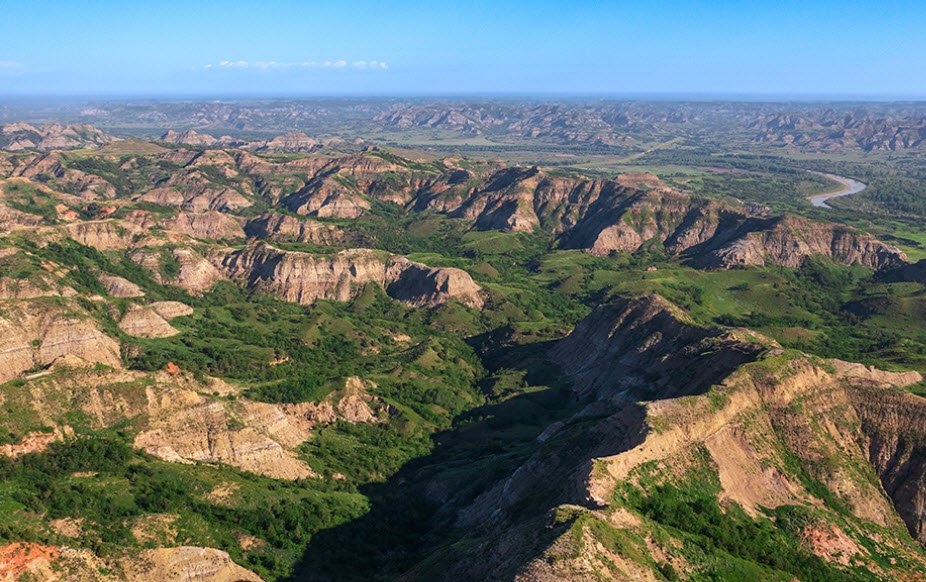
Little Missouri State Park covers over 6,000 acres of rugged badlands terrain in Dunn County, North Dakota, along the Little Missouri River near its confluence with Lake Sakakawea, about 10 miles north of Killdeer.
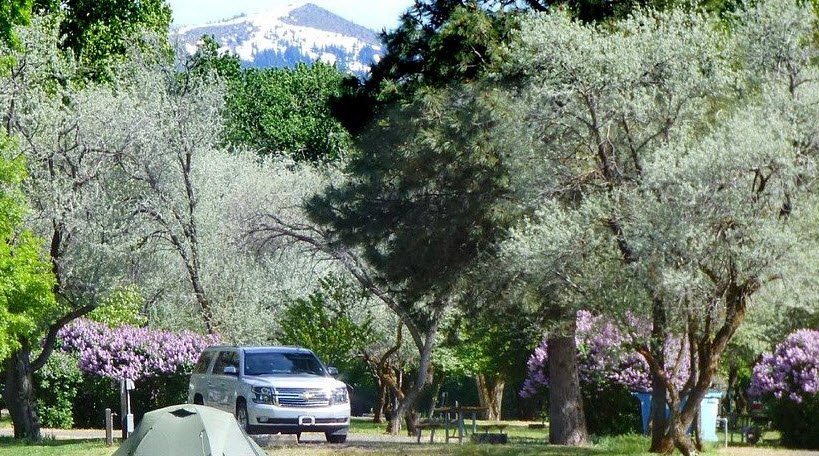
Goose Lake State Recreation Area straddles the Oregon-California border near New Pine Creek, offering a shaded, grassy campground on the seasonal shores of large Goose Lake at 4,700 feet elevation amid high desert sagebrush.
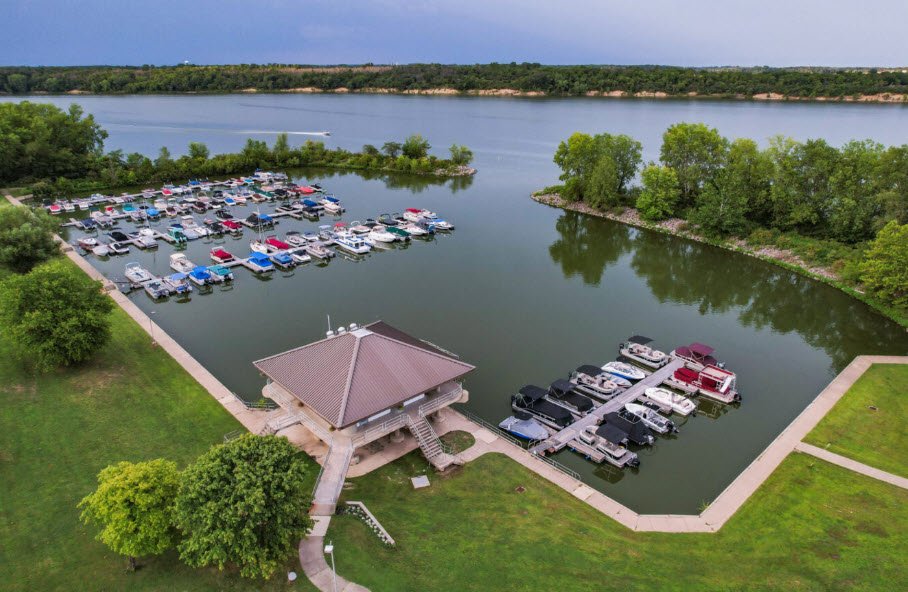
Deer Creek State Park spans 2,337 acres of meadows and woodlands around a 1,277-acre reservoir in central Ohio's till plains, created by a U.S. Army Corps of Engineers dam on Deer Creek completed in 1968, with the park opening in 1974.
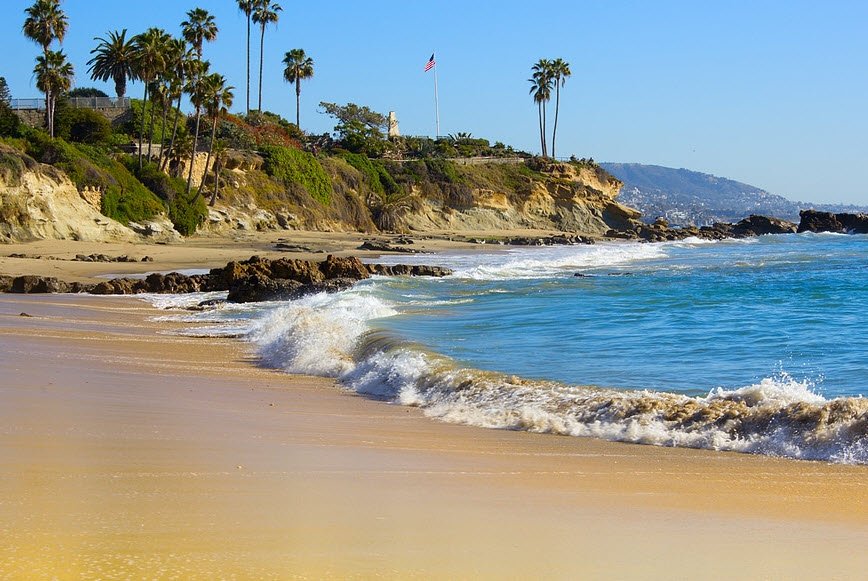
Carpinteria State Beach is a popular 62-acre protected beach in Santa Barbara County, California, 12 miles south of Santa Barbara, featuring a mile of wide white sand ideal for swimming, surf fishing, tidepool exploration, sunbathing, volleyball, birdwatching, hiking, biking, and beachcombing amid terraced bluffs and dune areas.
Arnolds Park Amusement Park in Arnolds Park, Iowa, is a historic amusement park dating back to 1889 when Wesley Arnold opened a 60-foot tall wooden toboggan-style waterslide on the shore of West Lake Okoboji.
The Museum of Appalachia in Clinton, Tennessee, is a living history museum founded in 1969 by John Rice Irwin that recreates a pioneer Appalachian village and mountain farm, featuring over 36 authentic log buildings like cabins, barns, and churches set across 65 acres.
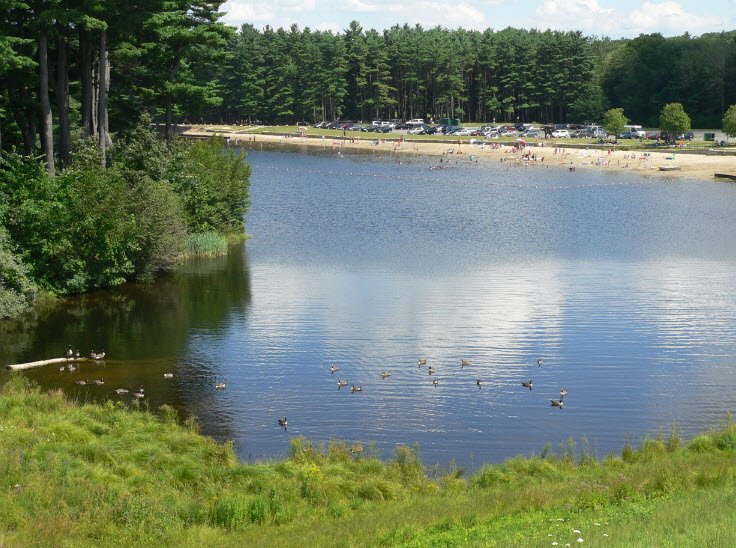
Hopkinton State Park is a 1,500‑acre state park straddling the towns of Hopkinton and Ashland in eastern Massachusetts, centered on the Hopkinton Reservoir and managed by the Massachusetts Department of Conservation and Recreation.
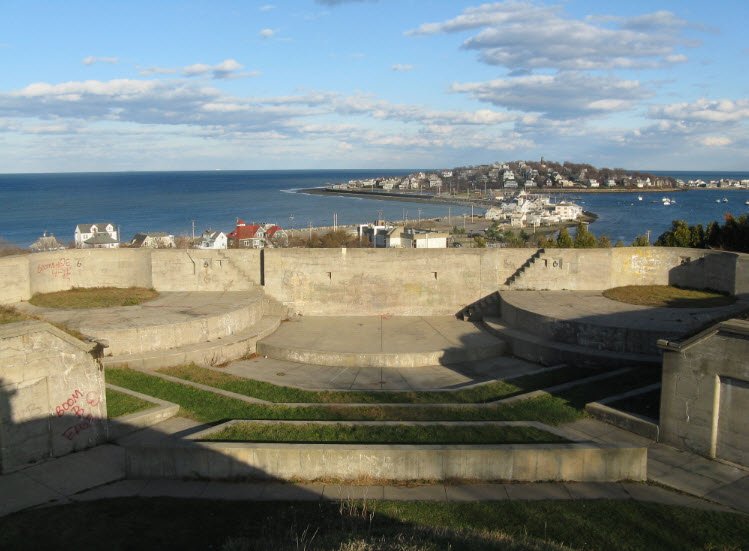
Fort Revere Park, an 8-acre historic site on Telegraph Hill in Hull, Massachusetts, preserves remnants of two seacoast forts from the American Revolution and 1898–1947, including the namesake Fort Revere built to defend Boston Harbor.
Pensacola Greyhound Track & Poker Room is a longstanding gaming venue owned by the Poarch Creek Indian Tribe's PCI Gaming Authority, located at 951 Dog Track Road in southwest Pensacola, Florida.
Turner Falls Park, Oklahoma's oldest recreational area spanning 1,500 acres six miles south of Davis in the Arbuckle Mountains, centers on the state's tallest 77-foot waterfall where Honey Creek cascades into a spring-fed natural swimming pool staying cool at 55-60°F year-round, perfect for diving from a board and splashing amid slippery rocks.
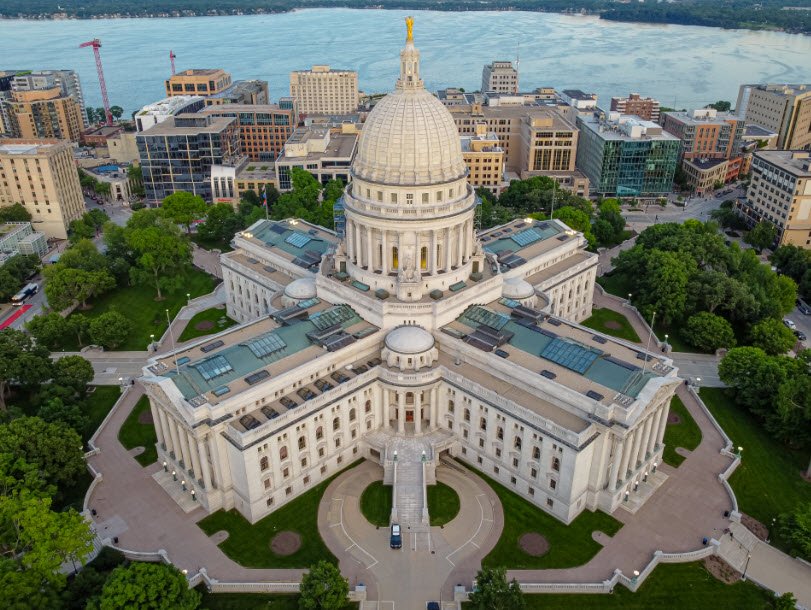
The Wisconsin State Capitol in Madison is a grand building completed in 1917 that serves as the home for the Wisconsin Legislature, Supreme Court, and the Governor’s office.
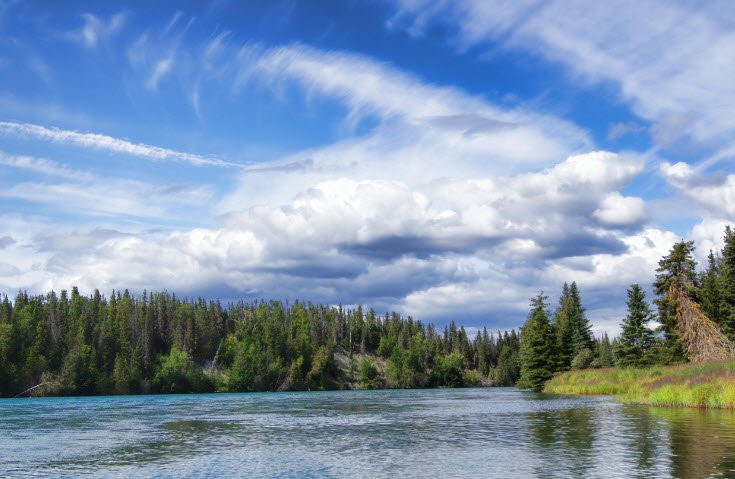
Lower Chatanika State Recreation Area spans about 400 acres along the Chatanika River at milepost 11 of the Elliott Highway, roughly 25 miles north of Fairbanks, Alaska.
The Blue Hole in Santa Rosa, New Mexico, is a striking circular, bell-shaped artesian spring-fed pool along historic Route 66, formed from a collapsed limestone cavern with crystal-clear cobalt-blue water staying a constant 61-62°F year-round and depths reaching 80 feet across a 60-foot surface diameter.
The Marie Selby Botanical Gardens Downtown Sarasota campus in Florida was founded in 1973 when Marie Selby, a passionate gardener and Sarasota resident, bequeathed her home and property to create a botanical sanctuary.
Mount Carmel is a historic neighborhood in northeastern Hamden, Connecticut, named for biblical hills due to its resemblance to Mount Carmel in the Bible, featuring the prominent Sleeping Giant ridge now home to a popular state park with extensive hiking trails.
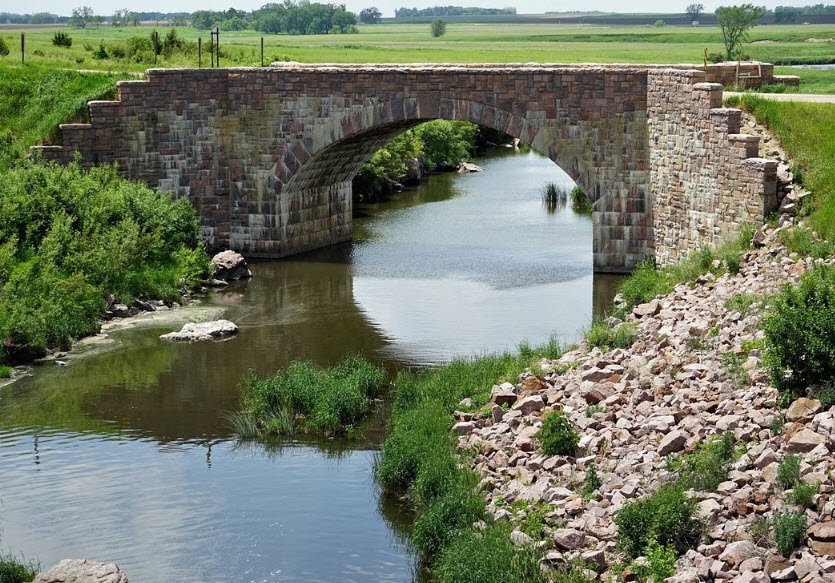
Split Rock Creek State Park in southwestern Minnesota near Pipestone features a man-made lake created in 1938 by a Works Progress Administration dam of local Sioux quartzite, providing the county's only sizable water body for swimming, boating, canoe rentals, and fishing walleye, bass, perch, and northern pike.