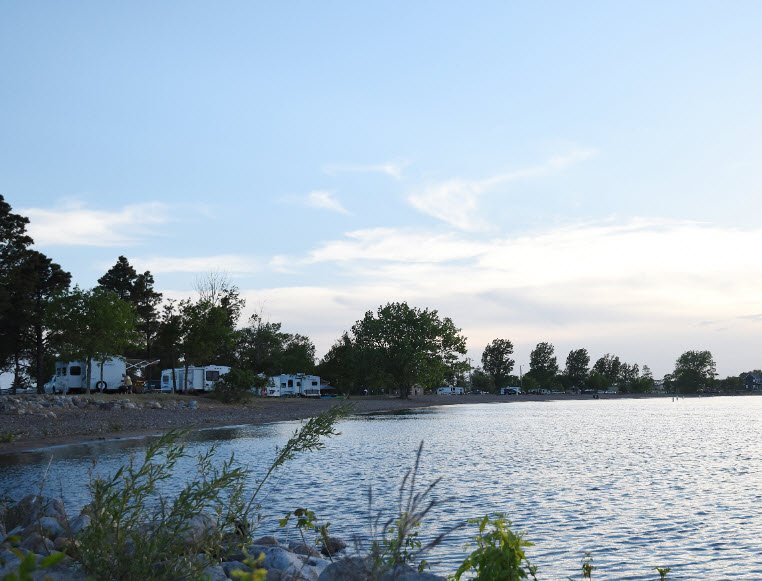
Sandy Shore Recreation Area, South Dakota's smallest state park at 19 acres near Watertown off US Highway 212, sits on the shores of the clear, 5,250-acre glacial Lake Kampeska with its famous long sandy beaches.
Ho-Chunk Gaming Madison, owned by the Ho-Chunk Nation, is located at 4002 Evan Acres Road in Madison, Wisconsin, and opened in July 1999 as Dejope Bingo & Entertainment before rebranding in 2010.
The Maritime and Seafood Industry Museum in Biloxi, Mississippi was established in 1986 to preserve and interpret the maritime history and heritage of Biloxi and the Mississippi Gulf Coast.
Grant's Farm in Missouri is a 280-acre wildlife park and animal reserve originally part of the estate owned by Ulysses S. Grant, the 18th President of the United States.
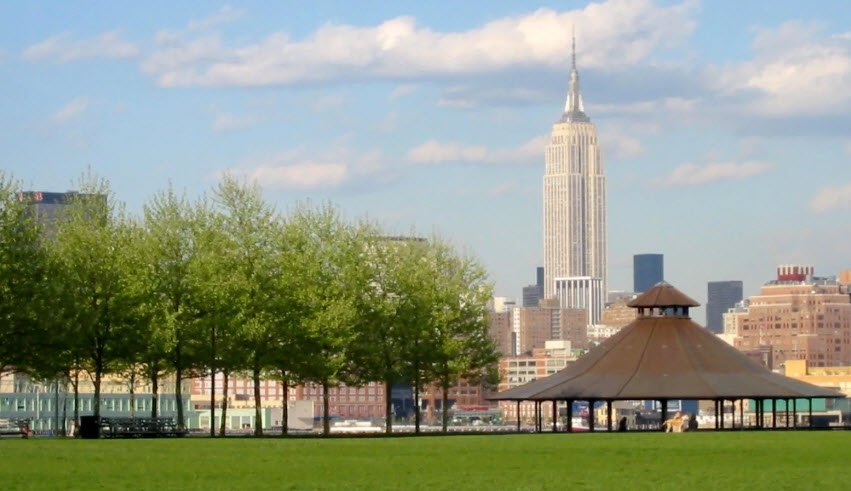
Hoboken, New Jersey, known as the Mile Square City, sits along the Hudson River waterfront directly across from Manhattan, originally settled by Dutch colonists in the 17th century as part of Pavonia with North America's first brewery built in 1643 before conflicts disrupted early farms.
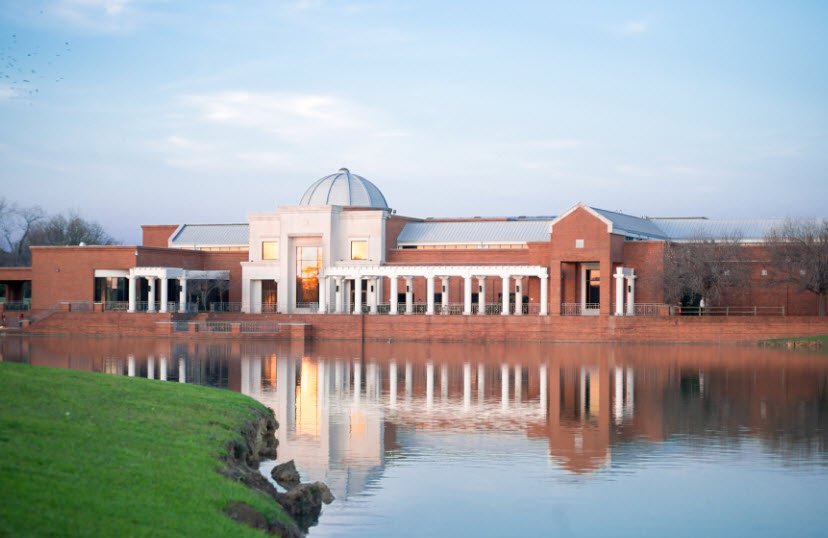
The Montgomery Museum of Fine Arts, located in Montgomery, Alabama, is the oldest fine arts museum in the state, established in 1930 with a mission to collect, preserve, exhibit, and interpret art of the highest quality for public enrichment.
Bronner’s CHRISTmas Wonderland in Frankenmuth, Michigan, is known as the world’s largest Christmas store, sprawling over 27 beautifully landscaped acres with a building the size of 1.5 football fields.
Dolliver Memorial State Park spans 594 acres along the Des Moines River in Webster County near Lehigh, northwest Iowa, USA, celebrated for its dramatic sandstone bluffs, deep ravines like Boneyard Hollow, and unique Copperas Beds revealing petrified wood and ancient river layers over 150 million years old.
Territorial Statehouse State Park Museum is a small Utah state park located in the town of Fillmore, about halfway between Salt Lake City and St. George, that preserves the oldest existing government building in the state.
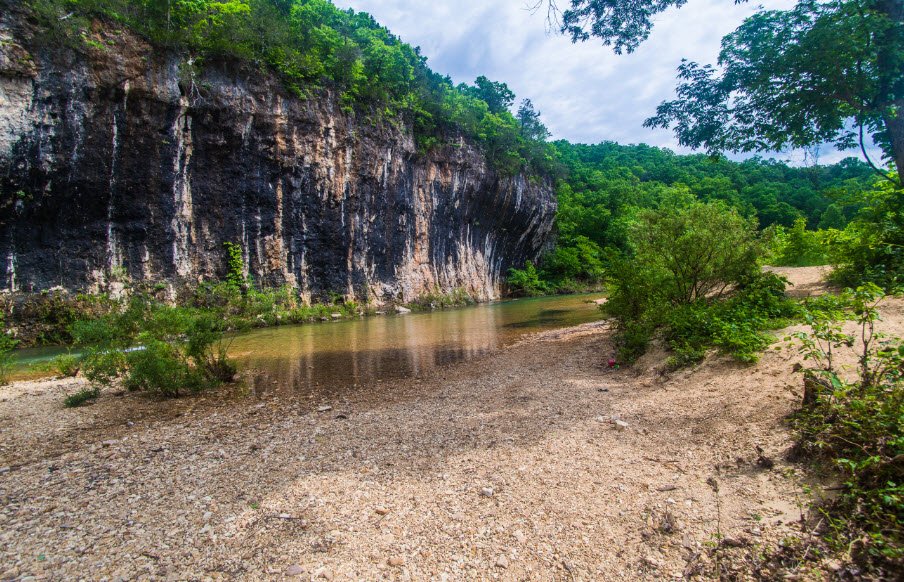
Echo Bluff State Park in Missouri spans 476 acres in the scenic Ozarks of Shannon County near Eminence, nestled in a valley dominated by its namesake towering Echo Bluff—a massive Eminence dolomite cliff rising hundreds of feet above crystal-clear Sinking Creek, the Current River's second-largest tributary.
Presque Isle Park in Marquette, Michigan, is a 323-acre public park located on an oval-shaped peninsula that extends into Lake Superior, connected to the city by a narrow neck of land and surrounded by dramatic sandstone cliffs.
Located in Colorado Springs adjacent to the airport, the National Museum of World War II Aviation showcases the vital role of military aviation in World War II and its impact on America's emergence as a global power.
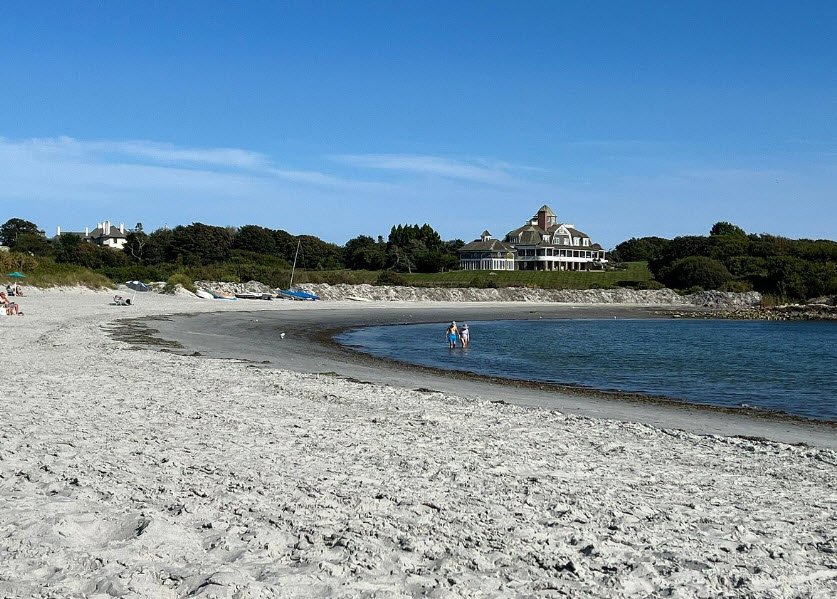
Gooseberry Beach in Rhode Island is a small, family-friendly beach located along Ocean Avenue in Newport, situated in a quiet cove that offers calm waters ideal for swimming and relaxation.
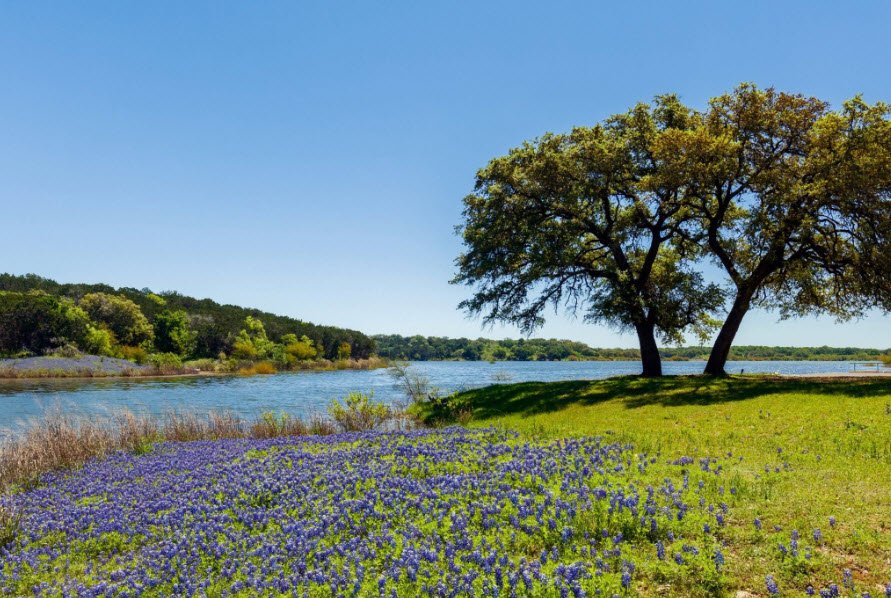
Cedar Hill State Park is a 1,826‑acre Texas state park located along the eastern shore of Joe Pool Lake in the city of Cedar Hill, about 30 minutes from the Dallas–Fort Worth metroplex in North Texas.
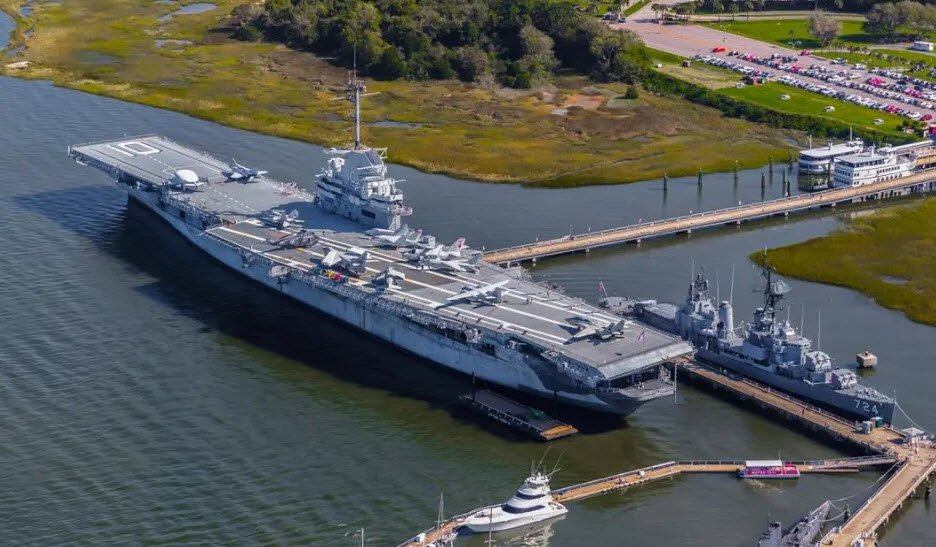
The USS Yorktown (CV-10) is an Essex-class aircraft carrier that served with distinction in the United States Navy from 1943 to 1970, seeing action in World War II, the Korean War, and the Vietnam War.
The International Civil Rights Center and Museum in Greensboro, North Carolina, is located in the historic Woolworth building where four African American college students from North Carolina A&T State University launched the 1960 sit-in movement by peacefully protesting segregation at a whites-only lunch counter.
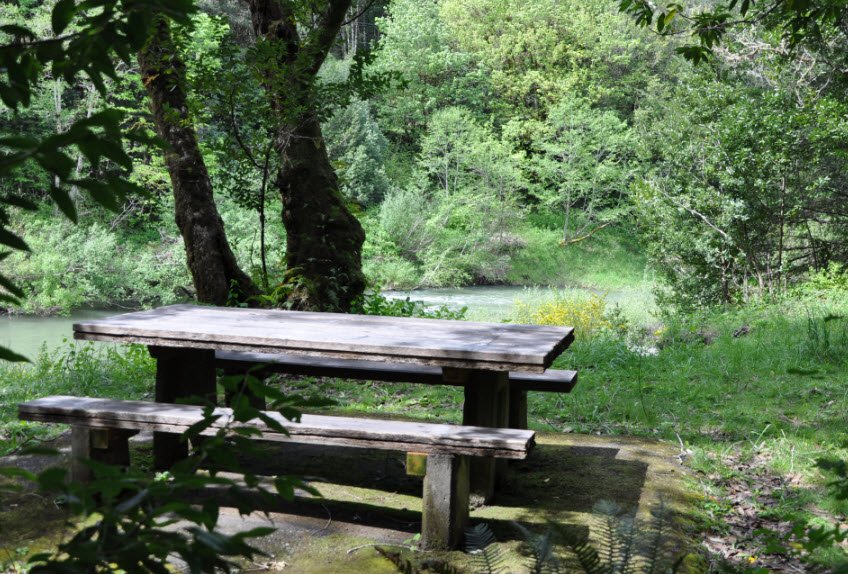
Coquille Myrtle Grove State Natural Site is a serene 7-acre day-use state park in Coos County, southwestern Oregon, USA, along Oregon Route 542 between Myrtle Point and Powers near the South Fork Coquille River.
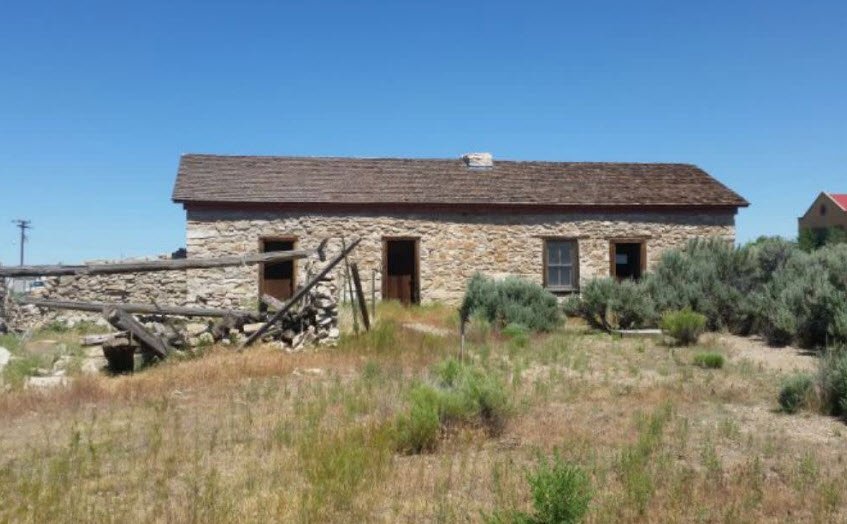
Granger Stage Station State Historic Site in Granger, Wyoming, preserves one of the earliest and most important stagecoach stops on the Overland Trail, originally built around 1850 as the dugout-style Ham's Fork station near the Ham's Fork-Black's Fork river confluence and replaced in 1856 by a sturdy two-room stone structure renamed South Bend Station.