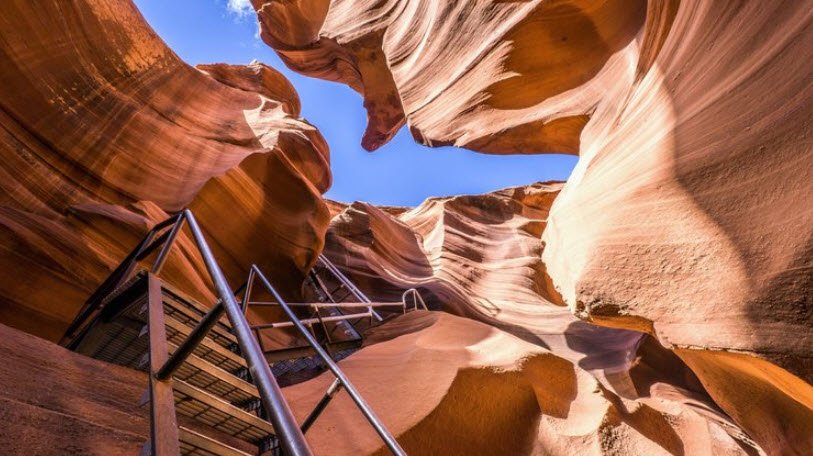
Dixie’s Lower Antelope Canyon Tours offer guided walking tours through the stunning, narrow slot canyon known for its smooth, winding sandstone walls shaped by water and wind over millions of years.
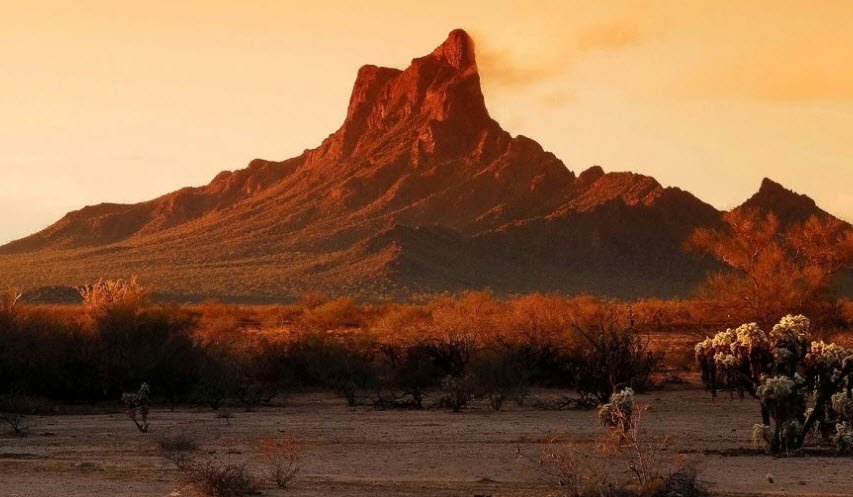
Picacho Peak State Park in Arizona lies along Interstate 10 between Phoenix and Tucson, centered on a striking 1,500-foot volcanic peak rising dramatically from the Sonoran Desert flatlands, serving as a landmark since prehistoric times for Native Americans and later explorers like the Anza Expedition in the 1700s.
Footprint Center in Phoenix, Arizona, is a multi-purpose arena that opened in 1992 originally as America West Arena, replacing the Arizona Veterans Memorial Coliseum.
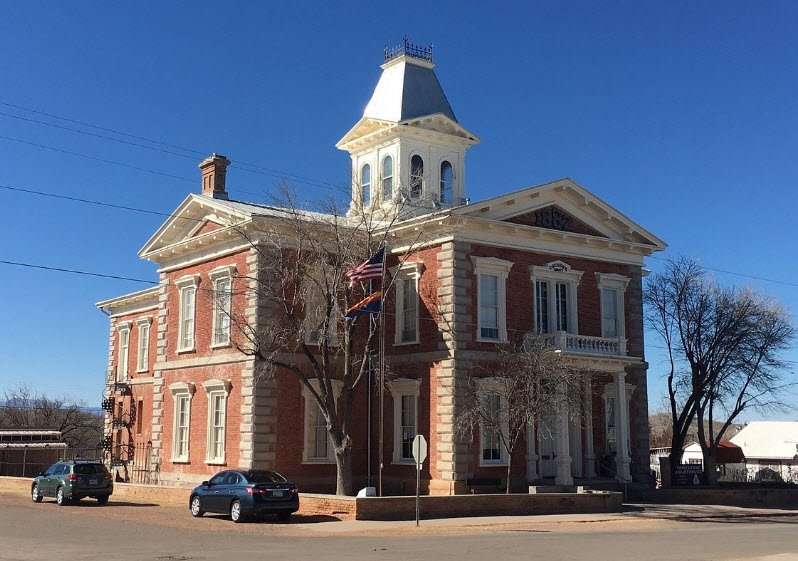
Tombstone Courthouse State Historic Park in Tombstone, Arizona, preserves the original 1882 Victorian red-brick courthouse—shaped like a Greek cross and built at a cost of $50,000—which served Cochise County as its seat from 1881 until 1931, housing the sheriff's office, recorder, treasurer, board of supervisors, courtrooms, and jail.
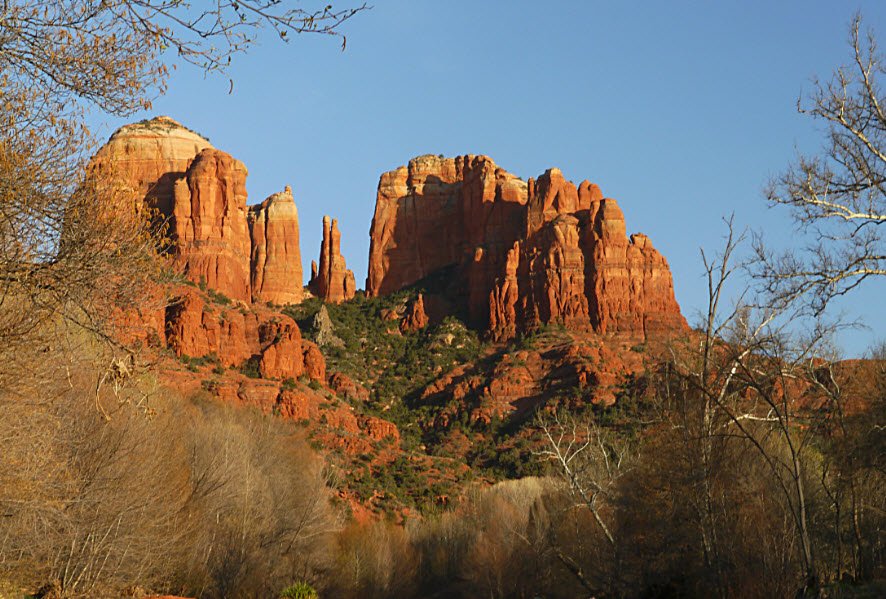
Cathedral Rock is a striking sandstone butte located in the Coconino National Forest near Sedona, Arizona, with a summit elevation of about 4,967 feet.
Grand Canyon West is a tourism area located on the Hualapai Indian Reservation in Mohave County, Arizona, about 120 miles from Las Vegas and roughly four hours from Phoenix.
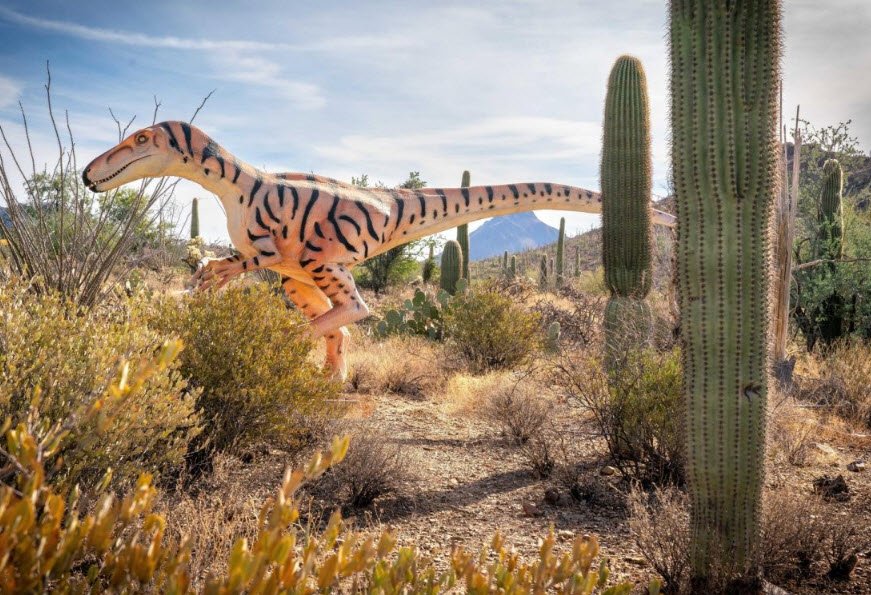
The Arizona-Sonora Desert Museum near Tucson, Arizona, is a unique fusion of a zoo, botanical garden, natural history museum, art gallery, and aquarium all focused on the Sonoran Desert's ecosystem.
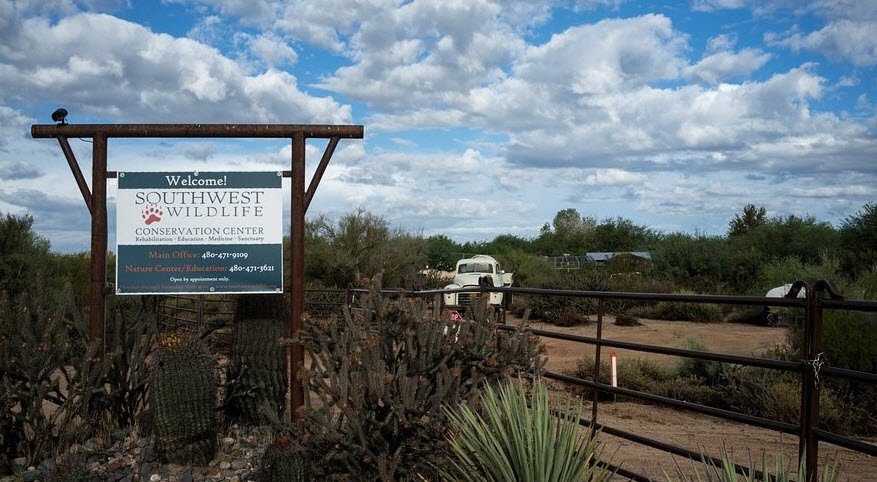
The Southwest Wildlife Conservation Center in Scottsdale, Arizona, is a nonprofit wildlife rescue and rehabilitation facility specializing in native Arizona mammals that have been injured, orphaned, or displaced due to development or other factors.
The Tucson Museum of Art in Arizona was founded in 1924 by members of the Tucson Women's Club and local citizens as the Tucson Fine Arts Association, initially functioning as a gallery and lecture space.
Tubac Presidio State Historic Park in Tubac, Arizona, preserves the ruins of San Ignacio de Tubac, Arizona's oldest Spanish presidio established in 1752 to protect nearby silver mining settlements from Apache and Seri raids following the Pima Revolt, marking the first permanent European settlement in what became the state.
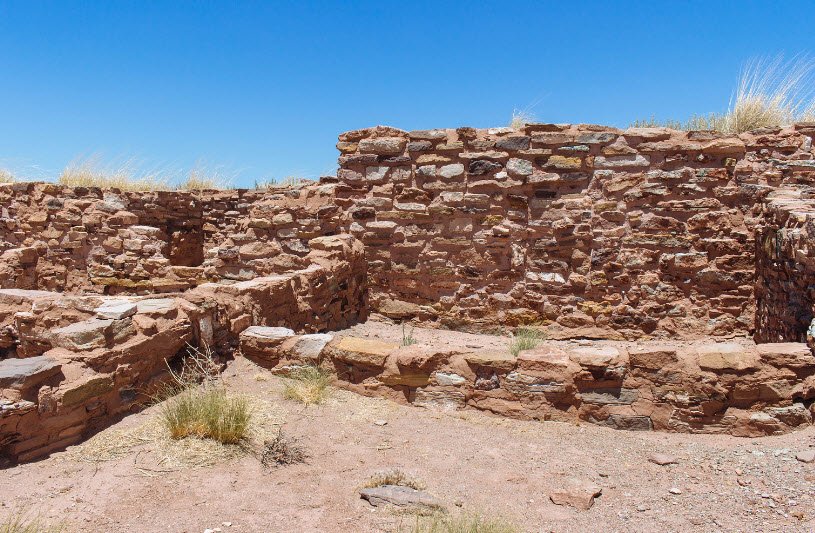
Homolovi State Park, located just north of Winslow, Arizona, near the Little Colorado River, protects over 300 Ancestral Puebloan archaeological sites sacred to the Hopi, including major 13th-14th century pueblos like Homolovi I and II with more than 1,000 rooms each, 40 kivas, pit houses, and petroglyph panels depicting clan symbols and kachinas.
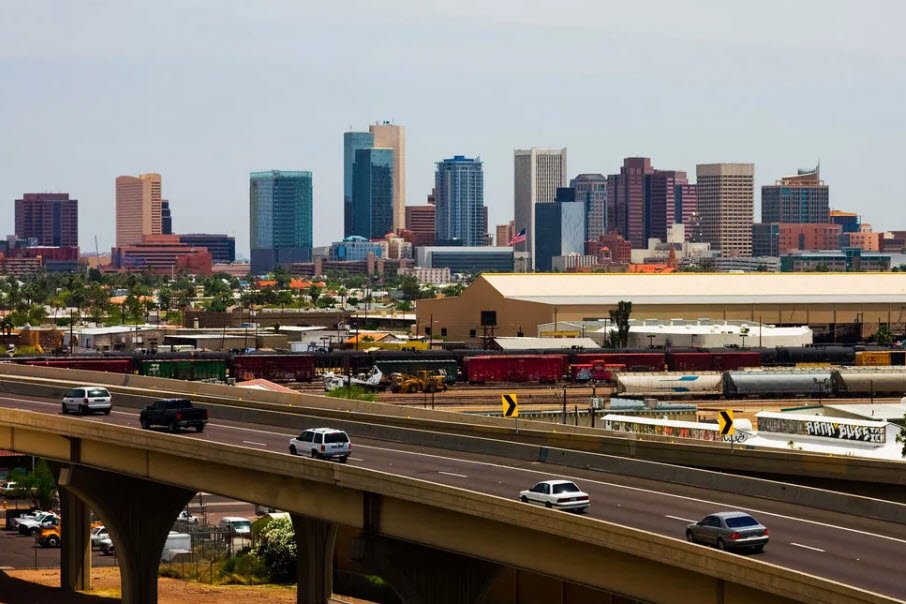
Phoenix, Arizona, was settled in 1867 by John W. Swilling, who recognized the agricultural potential of the Salt River Valley thanks to the irrigation canals initially created by the ancient Hohokam people.
Lake Havasu City, Arizona, was established in 1963 by industrialist Robert P. McCulloch who purchased land along the Colorado River's Lake Havasu, originally formed by the Parker Dam completed in the late 1930s.