The Tennessee State Museum in Nashville is a large, modern facility that chronicles the state’s history from prehistoric times to the present through a wide range of artifacts, exhibits, and interactive displays.
The American Museum of Science and Energy in Oak Ridge, Tennessee, offers a dynamic experience focused on the science, technology, and history of the Manhattan Project and nuclear energy.
The Grand Ole Opry, based in Nashville, Tennessee, began as a radio broadcast called the WSM Barn Dance on November 28, 1925, created by George D. Hay.
The Titanic Museum Attraction in Pigeon Forge, Tennessee, is a two-story museum shaped like the RMS Titanic, built at half the scale of the original ship.
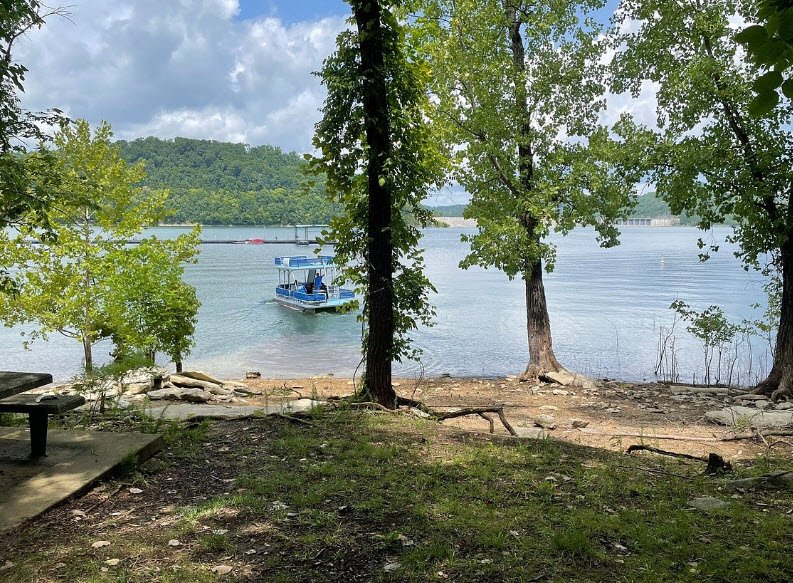
Edgar Evins State Park covers 6,000 acres along the shores of Center Hill Lake in DeKalb County, Tennessee, near Silver Point on the Eastern Highland Rim, offering stunning views from an observation tower at the visitor center.
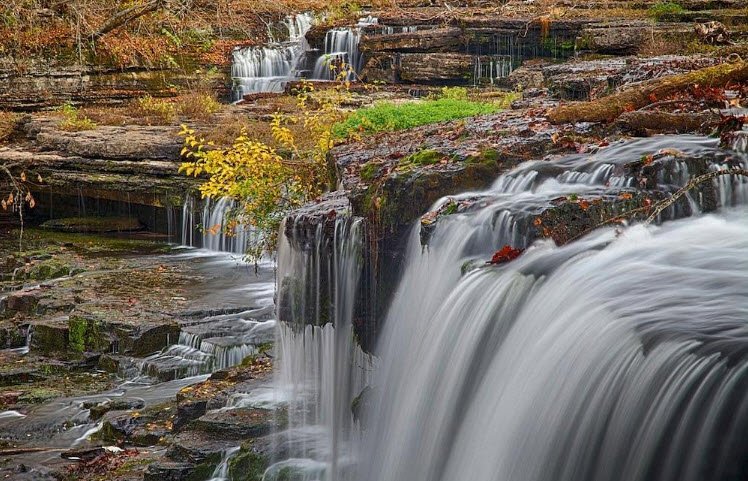
Old Stone Fort State Archaeological Park in Coffee County, Tennessee, near Manchester, preserves a 2,000-year-old Middle Woodland Native American enclosure—likely ceremonial rather than defensive—built around 80-550 AD atop a 50-acre plateau at the Duck and Little Duck Rivers' confluence, featuring earthen walls up to six feet high and a complex entranceway.
Reelfoot Lake State Park in northwest Tennessee surrounds Reelfoot Lake, a unique natural lake created by the powerful New Madrid earthquakes of 1811-1812, which caused the Mississippi River to temporarily flow backward, flooding the land and forming the lake.
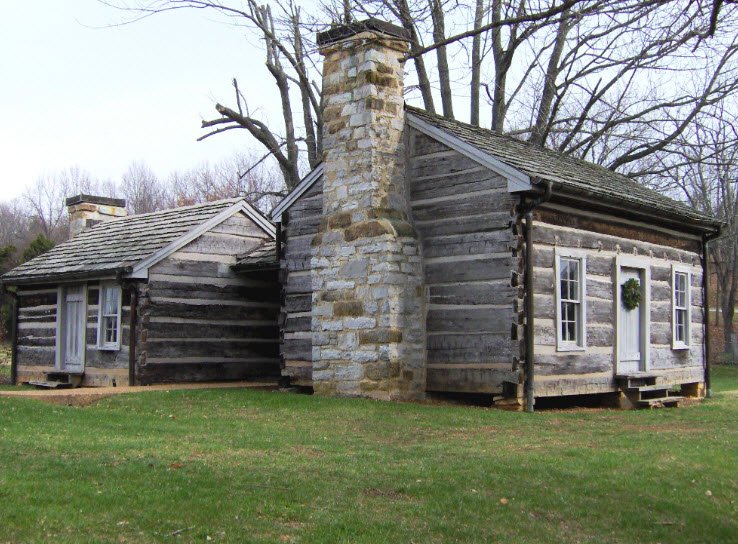
Cordell Hull Birthplace State Park, located near Byrdstown in Pickett County, Tennessee, spans about 55 acres along the Highland Rim and honors Cordell Hull (1871–1955), the longtime U.S. Secretary of State under Franklin D. Roosevelt and Nobel Peace Prize winner for his role in founding the United Nations.
Graceland in Memphis, Tennessee, is the famous home of Elvis Presley, the King of Rock 'n' Roll, and one of the most visited private homes in the United States.
Parrot Mountain and Gardens in Pigeon Forge, Tennessee, is a beautifully landscaped sanctuary founded in the late 1990s based on a vision to create a garden filled with tropical birds, colorful flowers, and scriptures reflecting a spiritual theme.
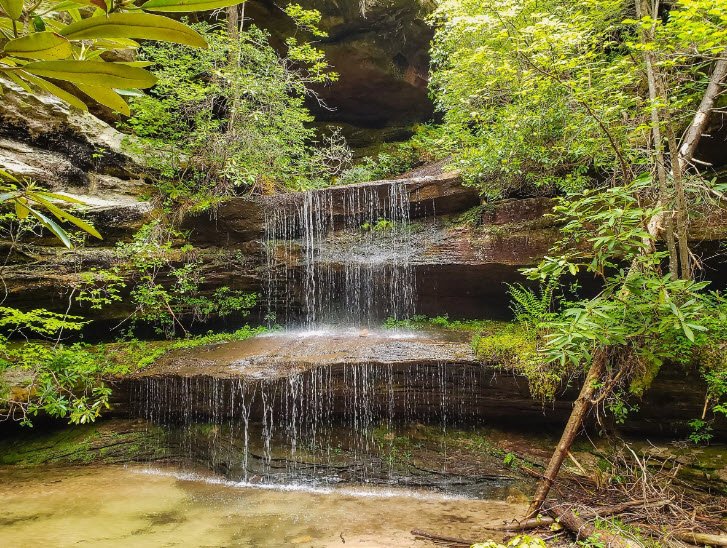
Pickett CCC Memorial State Park in Pickett County near Jamestown, Tennessee, spans about 1,000 acres within the larger 19,200-acre Pickett State Forest adjacent to Big South Fork National River and Recreation Area, developed by the Civilian Conservation Corps from 1934 to 1942 on land donated by Stearns Coal and Lumber Company.
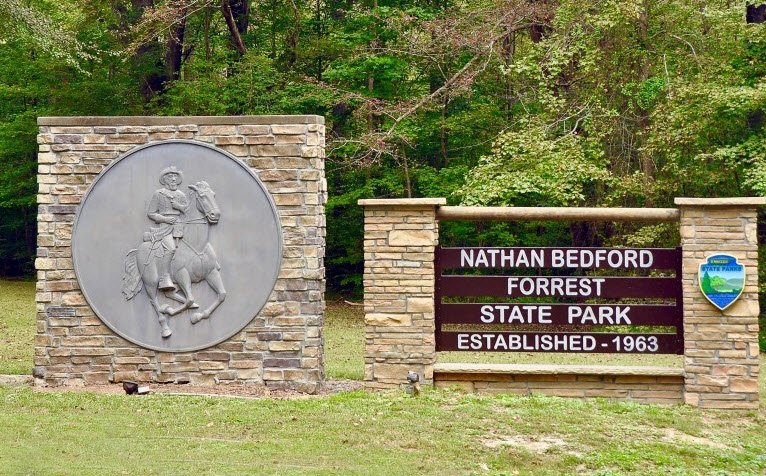
Nathan Bedford Forrest State Park spans 2,587 acres in Benton County, Tennessee, along the western shore of Kentucky Lake near Eva, established in 1929 and named for Confederate cavalry leader Nathan Bedford Forrest, who attacked the federal depot at Johnsonville in 1864.
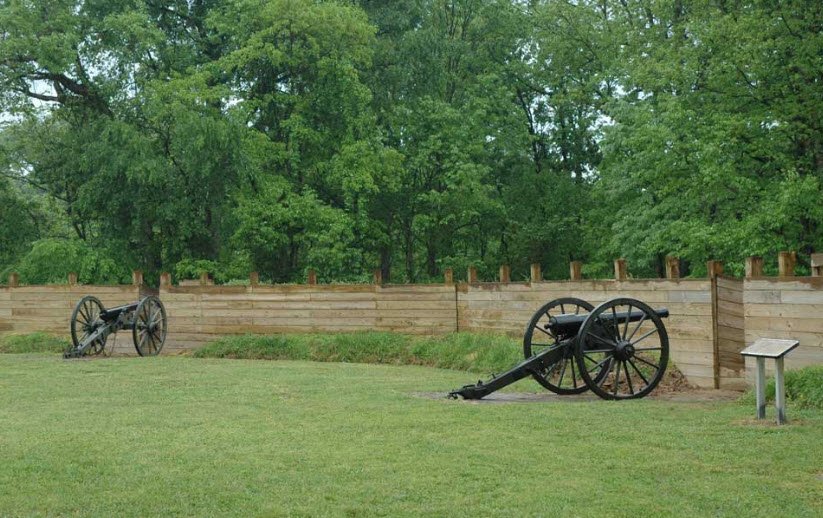
Fort Pillow State Historic Park in Henning, Tennessee, spans 1,642 acres on Chickasaw Bluffs overlooking the Mississippi River and preserves the site of the infamous 1864 Civil War Battle of Fort Pillow.
Chattanooga, Tennessee, is a city with a rich history situated along the Tennessee River near the Georgia border, with a population of about 181,000 as of 2020.
Stones River National Battlefield in Tennessee marks the site of a crucial Civil War battle fought from December 31, 1862, to January 2, 1863, which resulted in a strategically important Union victory.
Knoxville, Tennessee, was founded in 1791, originally established around James White's Fort, a settlement created by Revolutionary War veteran James White.
The Lost Sea Adventure in Sweetwater, Tennessee, is home to America’s largest underground lake, located 140 feet below ground within the historic Craighead Caverns.