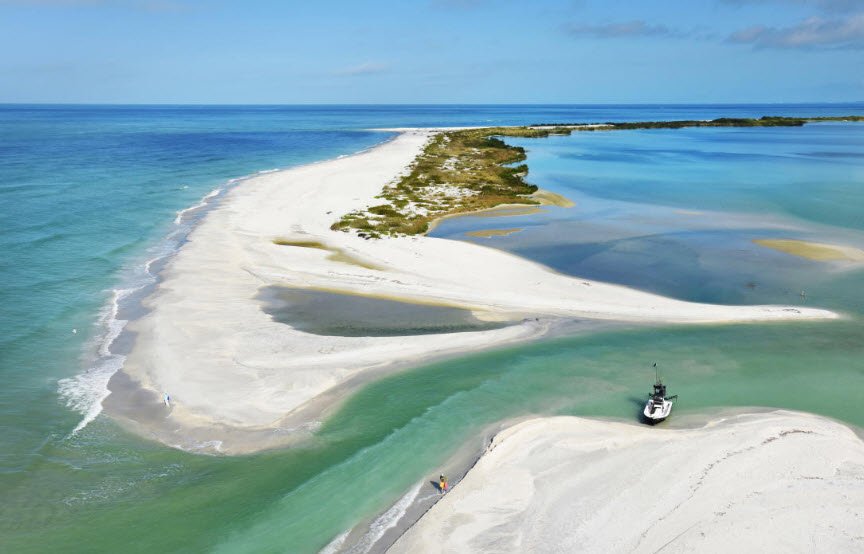
Cayo Costa State Park spans 2,506 acres on a barrier island south of Boca Grande and north of North Captiva in Florida's Gulf Coast, featuring nine miles of pristine white-sand beaches, pine forests, oak-palm hammocks, and mangrove swamps accessible only by private boat, ferry, or kayak.
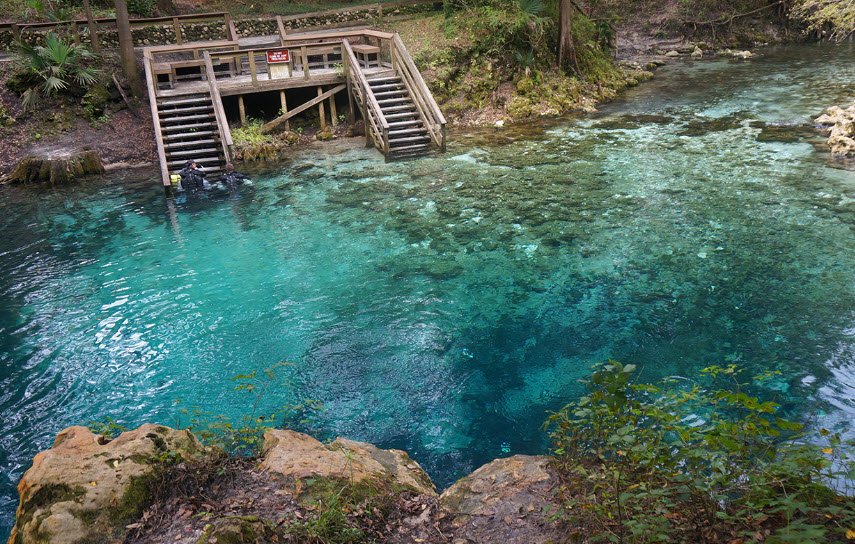
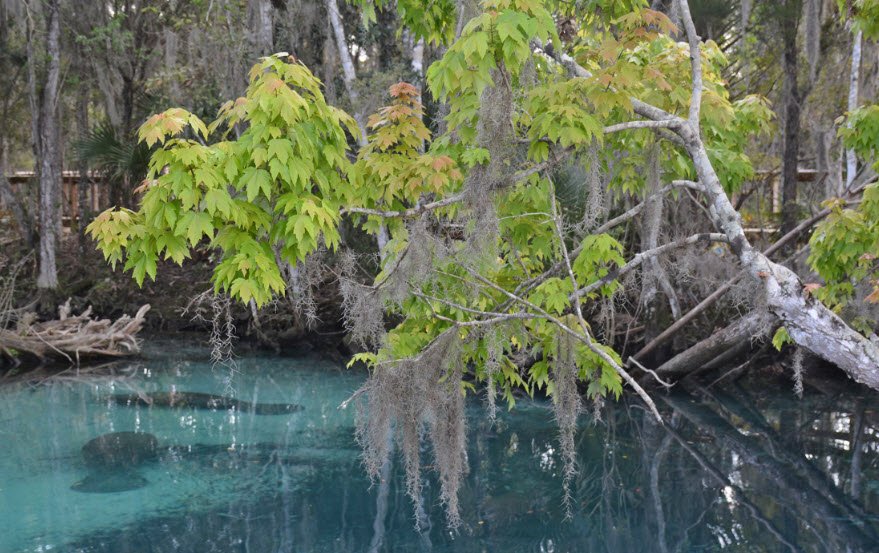
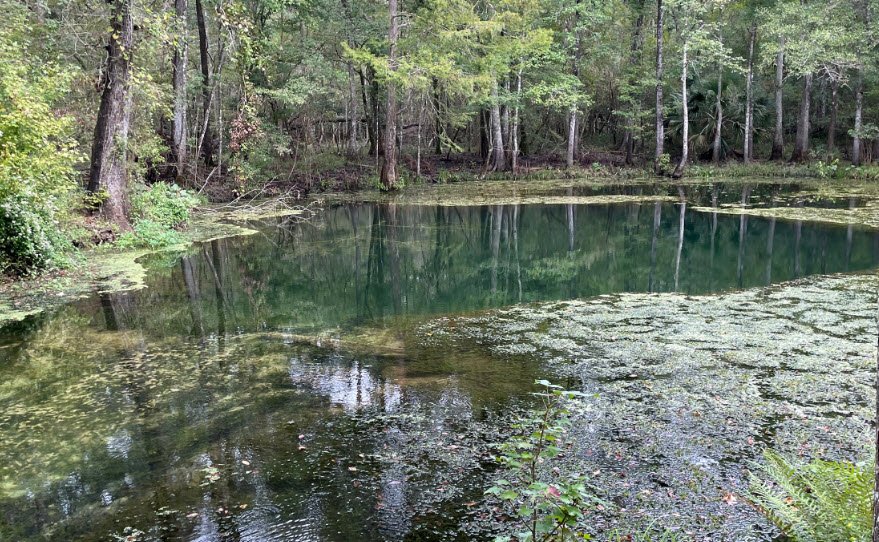
Troy Spring State Park, located six miles north of Branford in Lafayette County, Florida, along the Suwannee River, protects a stunning 70-foot-deep first-magnitude spring renowned for swimming, snorkeling, and certified open-water scuba diving.
Little Talbot Island State Park covers the entire 2,500-acre barrier island 17 miles northeast of Jacksonville, Florida, along State Road A1A, featuring over five miles of pristine white-sand beaches, majestic dunes, maritime forests, and undisturbed salt marshes that shelter river otters, marsh rabbits, bobcats, gopher tortoises, white-tailed deer, and diverse shorebirds plus migrating species.
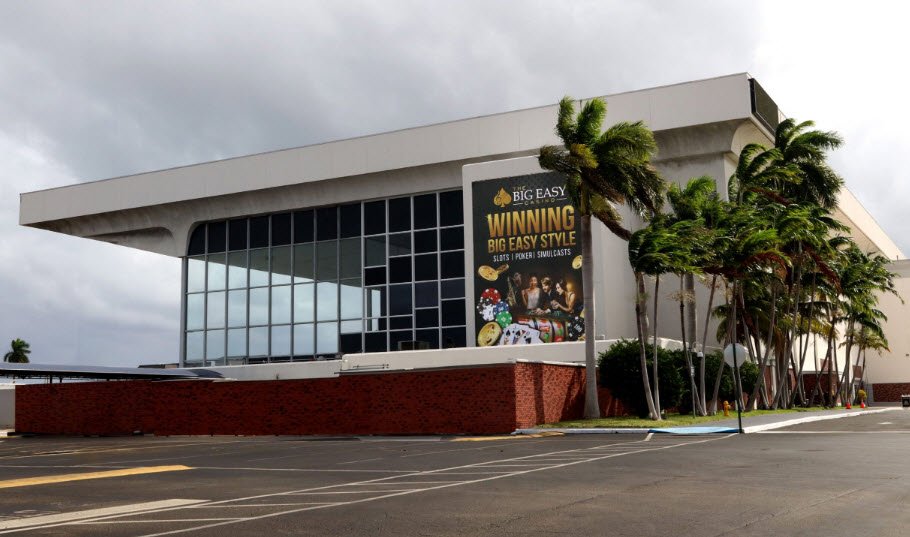
The Big Easy Casino is a vibrant gaming destination in Hallandale Beach, Florida, at 831 N Federal Highway on the corner of US-1 and Pembroke Road, formerly known as Mardi Gras Casino and Hollywood Greyhound Track since opening in 1940.
Suwannee River State Park spans nearly 1,900 acres near Live Oak, Florida, at the dramatic confluence of the Suwannee and Withlacoochee rivers, preserving rugged limestone bluffs, karst features like sinkholes and springs, and remnants of Civil War earthworks, ghost towns, and a historic cemetery.
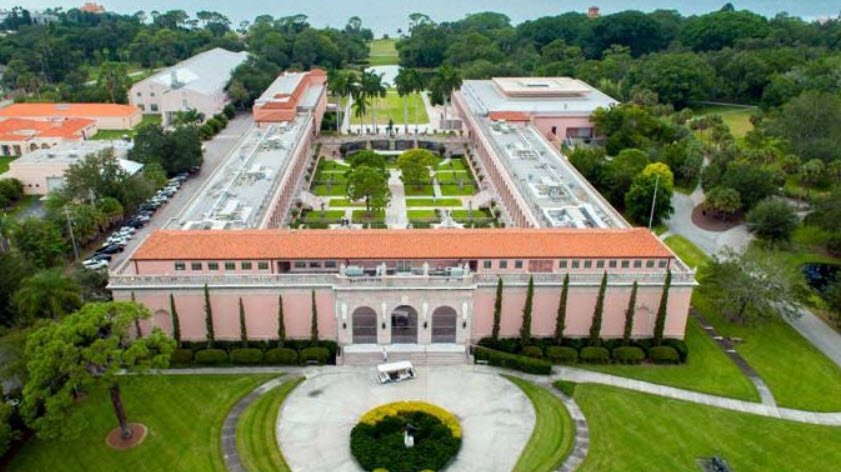
The John and Mable Ringling Museum of Art in Sarasota, Florida, was established in 1927 as the legacy of circus magnate John Ringling and his wife Mable Burton Ringling.
Hialeah Park Casino is a historic gaming venue in Hialeah, Florida, spanning 200 acres of lush gardens on the site of a former Thoroughbred racetrack opened in 1925 by Glenn Curtiss and James Bright, famously rebuilt after the 1926 hurricane by Joseph Widener into the world's most beautiful racecourse with iconic flamingo flocks and pink architecture.
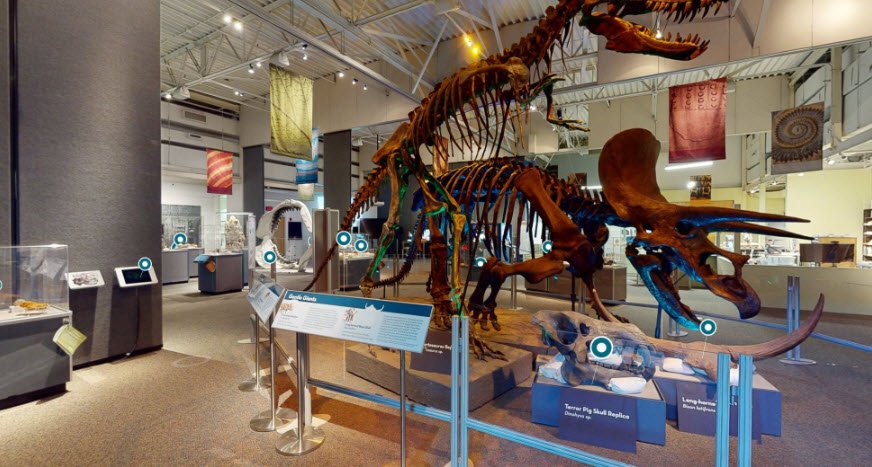
The Florida Museum of Natural History, located at the University of Florida in Gainesville, offers a rich exploration of Florida's natural and human history through its diverse exhibits.
Orman House Historic State Park in Apalachicola, Florida, preserves the 1838 antebellum home of cotton merchant Thomas Orman, who transformed the small town into a major Gulf Coast export port during the mid-19th century.
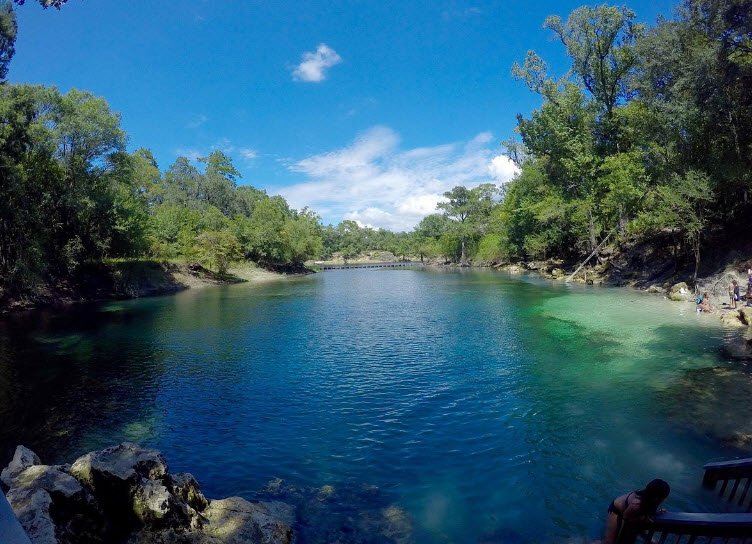
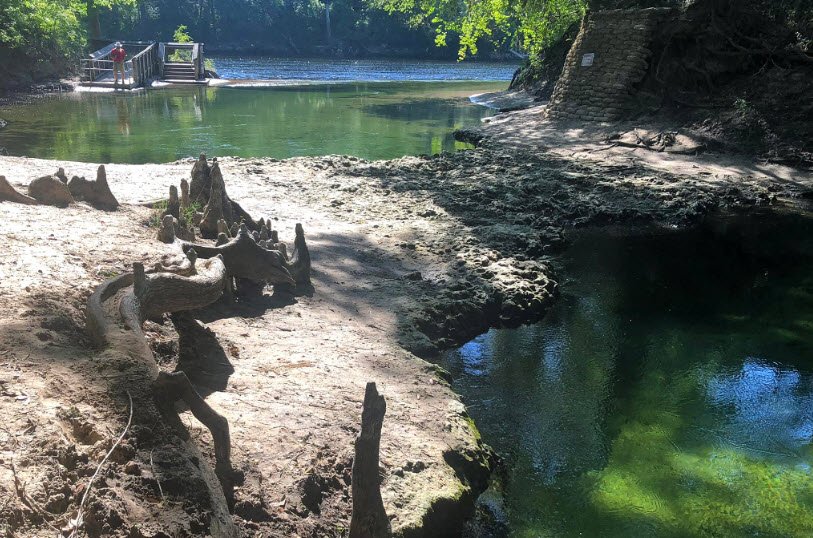
Lafayette Blue Springs State Park lies along the Suwannee River northwest of Mayo in Florida, USA, showcasing a first-magnitude spring that discharges up to 168 million gallons of 72°F crystal-clear water daily into pools divided by a natural limestone bridge.
Dagny Johnson Key Largo Hammock Botanical State Park spans 2,500 acres in the heart of Key Largo, Florida, USA, preserving one of the largest tracts of West Indian tropical hardwood hammock in the continental United States, once slated for condominium development.
Waccasassa Bay Preserve State Park covers over 30,000 acres of pristine salt marshes, tidal creeks, and Gulf Hammock wetlands along Florida's Gulf Coast between Cedar Key and Yankeetown.
Lovers Key State Park spans 1,616 acres across four barrier islands—Lovers Key, Black Island, Inner Key, and Long Key—near Fort Myers Beach and Bonita Springs in Florida, once reachable only by boat and named for romantic seclusion.
Natural Bridge Battlefield Historic State Park in Leon County, Florida, USA, between Tallahassee and St. Marks, marks the site of Florida's second-largest Civil War battle on March 6, 1865, where Confederate volunteers including old men, young boys from West Florida Seminary, and soldiers repelled Union forces attempting to capture the capital after landing at Apalachee Bay.
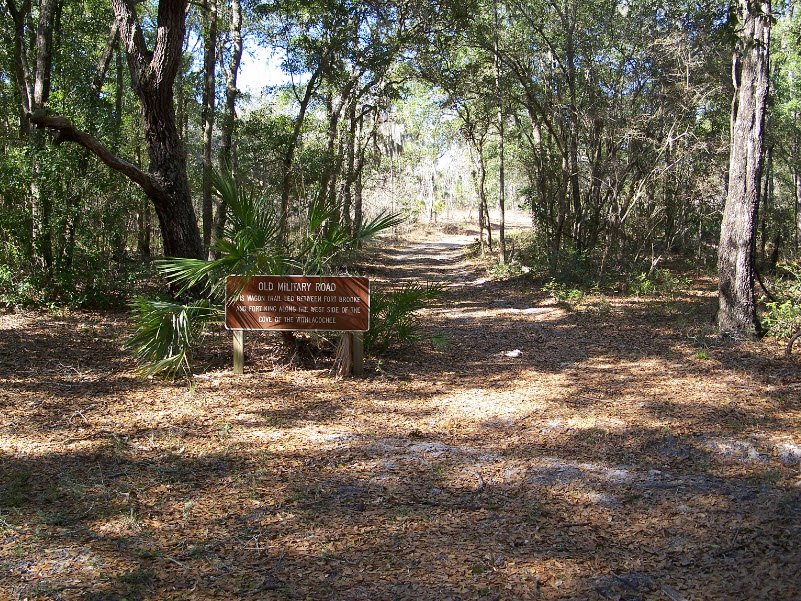
Fort Cooper State Park encompasses over 700 acres two miles south of Inverness, Florida, off U.S. Highway 41, preserving a historic Second Seminole War site established in 1836 near Lake Holathlikaha where U.S. troops built fortifications amid conflicts with Seminole tribes in the Cove of the Withlacoochee region.
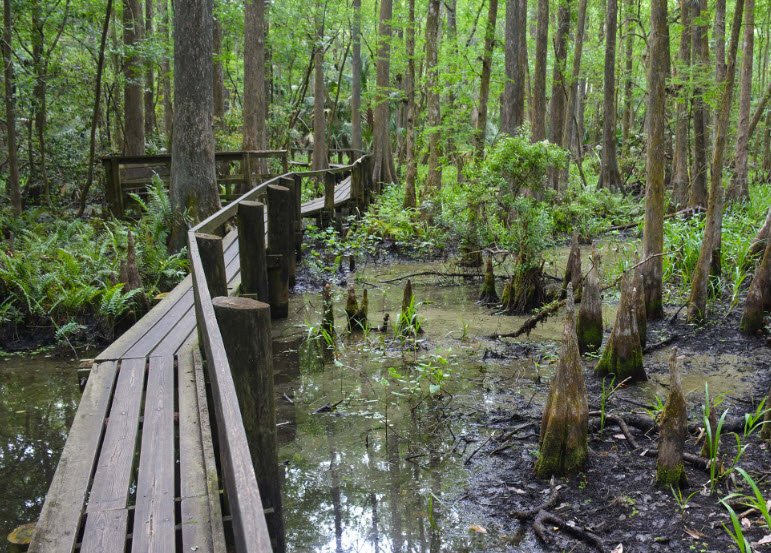
Highlands Hammock State Park covers over 9,000 acres four miles west of Sebring in central Florida's Highlands County, marking one of the state's oldest parks established in 1931—before the formal park system existed in 1935—and developed by the Civilian Conservation Corps, with parts listed on the National Register of Historic Places and recognized for old-growth forests.
The Southernmost Point of the continental U.S.A., located in Key West, Florida, is marked by a large painted concrete buoy erected in 1983 by the city to replace earlier wooden signs that were frequently stolen.