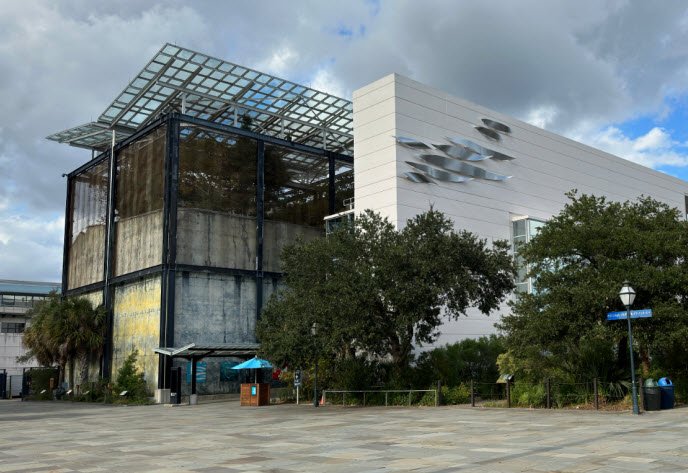
The South Carolina Aquarium in downtown Charleston is a large, modern facility dedicated to showcasing and conserving the diverse aquatic life native to South Carolina.
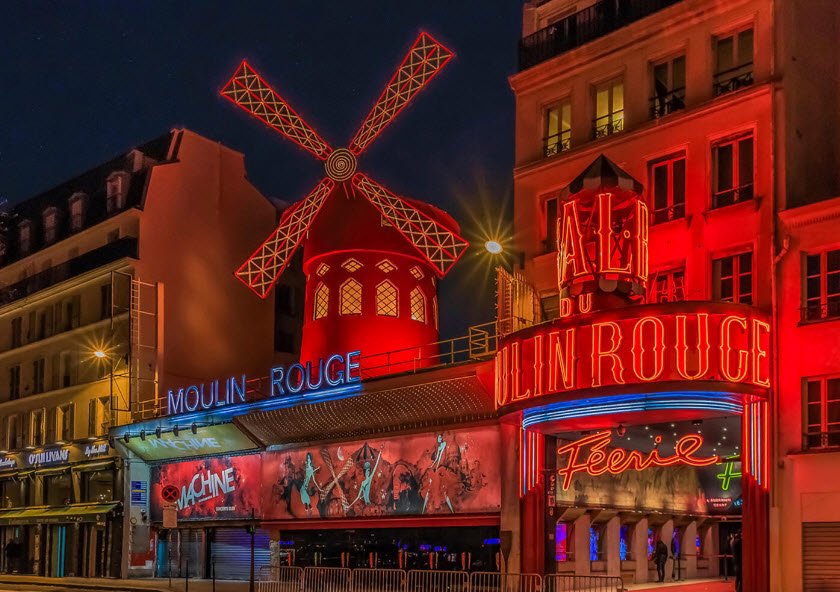
Moulin Rouge Hotel & Casino was the first racially integrated hotel-casino in the United States, opening on May 24, 1955, at 900 West Bonanza Road on Las Vegas' segregated Westside.
Chadron State Park, Nebraska's first state park established in 1921, covers 972 acres nestled in the Pine Ridge escarpment of the Nebraska National Forest, nine miles south of Chadron amid ponderosa pines, stone buttes, canyons, and Chadron Creek.
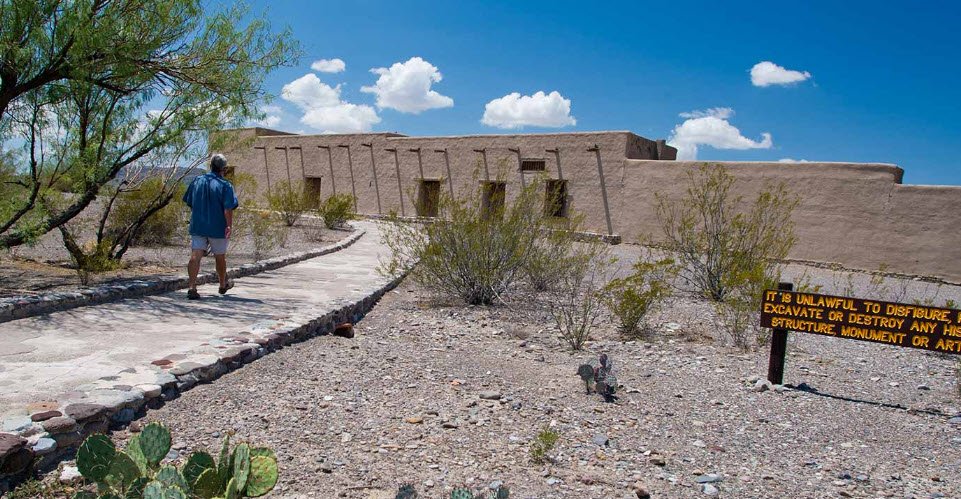
Fort Leaton State Historic Site is a 23.5‑acre Texas State Historic Site near Presidio in far West Texas, about five miles southeast of town along Farm Road 170, where a large adobe fort sits on a bluff overlooking the Rio Grande and the historic Chihuahua Trail.
Papohaku Beach Park on the west coast of Molokai, Hawaii, is one of the largest white sand beaches in the state, stretching nearly three miles wide and about 100 yards across.
Carbondale, Illinois, is a city founded in 1852 and established as a key railroad town along the Illinois Central Railroad, which helped spur its growth as a regional hub for transportation, commerce, and coal mining.
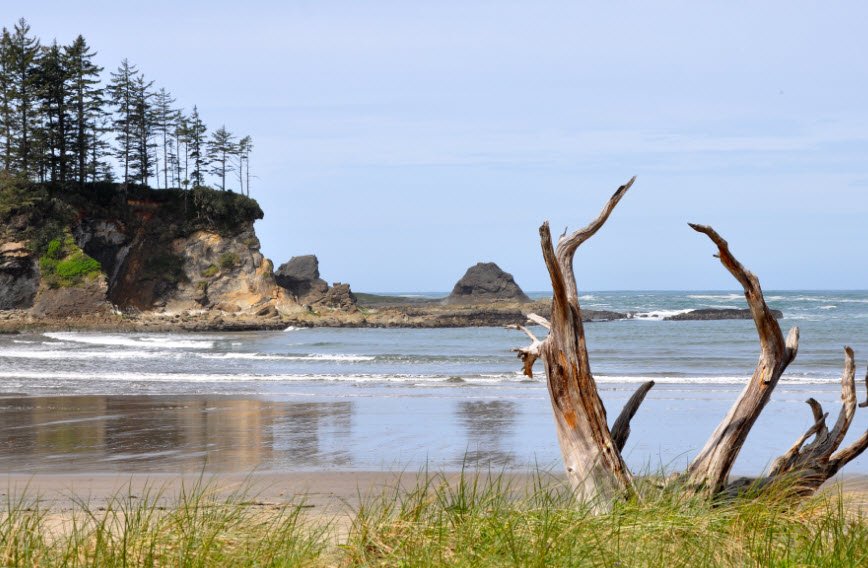
Sunset Bay State Park is a stunning 405-acre coastal gem near Charleston in Coos County, Oregon, USA, just 2.5 miles southwest of Coos Bay along the Cape Arago Highway, featuring a sheltered horseshoe-shaped sandy beach cradled by towering sea cliffs and dramatic ocean vistas.
The Country Club Plaza in Kansas City, Missouri, is a pioneering shopping district planned in 1922 by real estate developer J.C. Nichols and designed by architect Edward Buehler Delk in Baroque Revival and Moorish Revival styles inspired by the architecture of Seville, Spain.
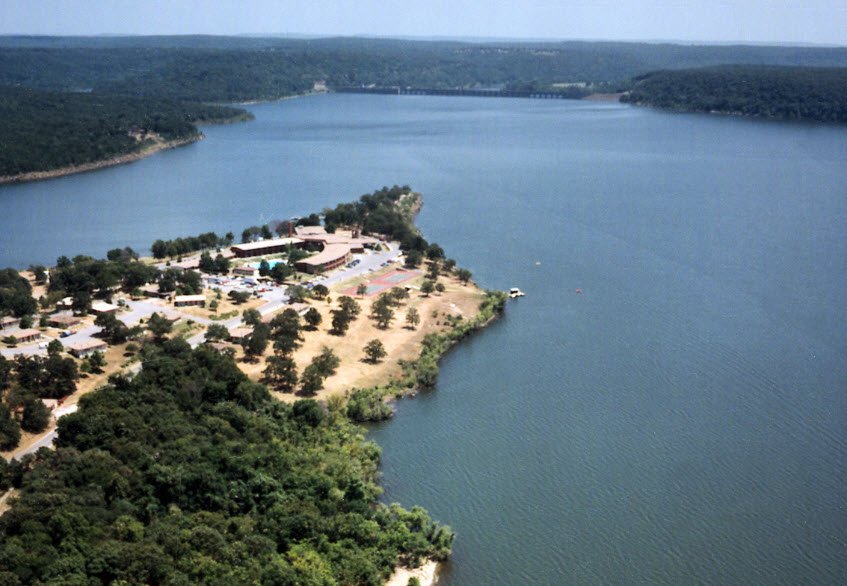
Sequoyah State Park is a 2,200-acre peninsula on Fort Gibson Lake in Cherokee County, Oklahoma, USA, near Wagoner and Tahlequah, celebrating Cherokee heritage including Sequoyah, inventor of the Cherokee syllabary.
Cedar Lakes Casino & Hotel in Cass Lake, Minnesota, is a modern gaming and lodging destination owned by the Leech Lake Band of Ojibwe, opened in August 2019 after replacing the smaller Palace Casino & Hotel at 6268 Upper Cass Frontage Road NW near U.S. Highway 2.
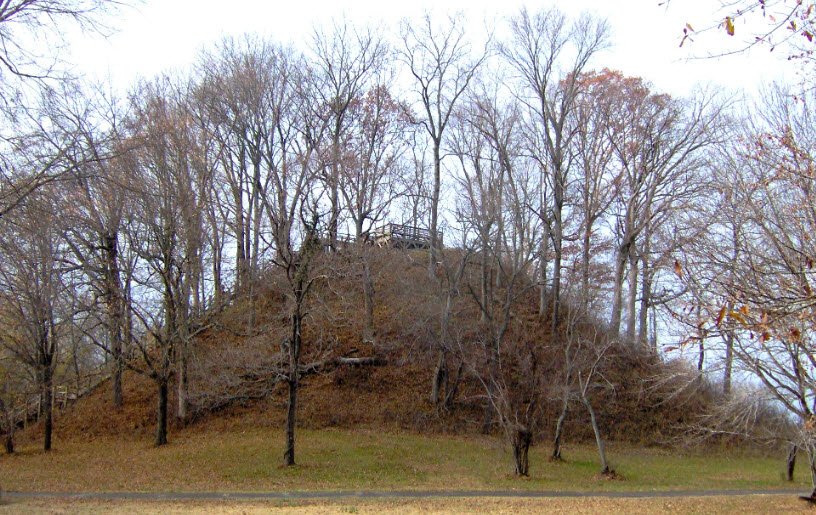
Story Mound State Memorial in Chillicothe, Ohio, is a well-preserved Adena culture burial mound standing 19.5 feet high with a 95-foot base diameter, built between 800 B.C. and A.D. 100 on nearly an acre of land.
Washington Park Beach in Michigan City, Indiana, is a scenic and spacious beach along the shores of Lake Michigan, known for nearly two miles of soft sand framed by natural dunes and parkland.
The John Brown Wax Museum in Harpers Ferry, West Virginia, opened in 1963 and features 87 life-size wax figures that vividly depict the life, abolitionist activities, and infamous 1859 raid on the federal armory led by John Brown.
Lamoine State Park covers 55 acres on the shore of Frenchman's Bay in Lamoine, Maine, offering stunning views of Mount Desert Island's mountains and the working waterfront.
Pinson Mounds State Archaeological Park in Madison County, Tennessee, near Pinson and southeast of Jackson, spans over 1,200 acres and preserves a Middle Woodland Period (c. 1-500 AD) Native American complex with at least 15 earthen mounds, including the towering 72-foot Sauls Mound—the second-tallest surviving mound in the U.S.—plus Twin Mounds, Ozier Mound, and an earthen enclosure, likely used for ceremonial, burial, and astronomical purposes.
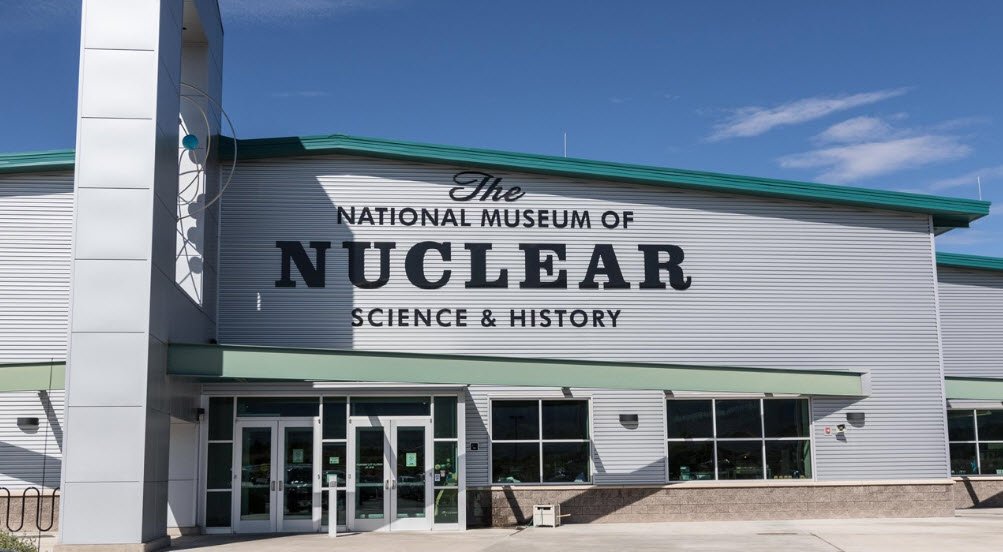
The National Museum of Nuclear Science & History in Albuquerque, New Mexico, established in 1969 as the Sandia Atomic Museum on Kirtland Air Force Base and relocated to its current 12-acre site in 2009, is the nation's only congressionally chartered repository dedicated to nuclear science, chartered under Public Law 102-190 and affiliated with the Smithsonian Institution.